Top 2026 Ball Screw for Sale Buying Guide and Tips?
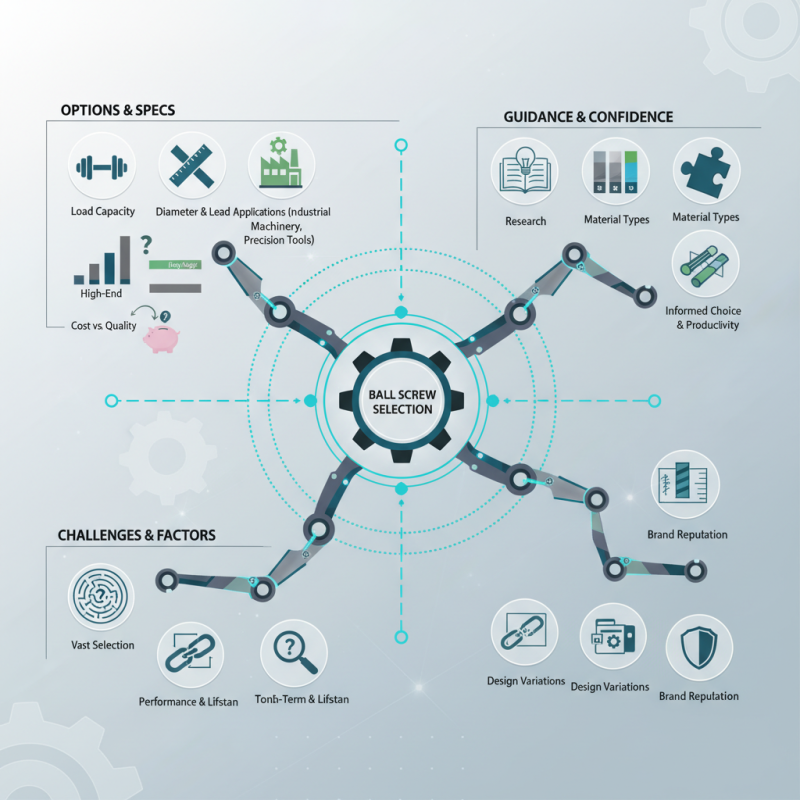
When searching for a ball screw for sale, understanding the options available can be overwhelming. Many buyers face challenges due to the vast selection and technical specifications. Each ball screw serves different applications, from industrial machinery to precision tools. This guide aims to illuminate key factors influencing your decision.
Choosing the right ball screw is essential. Quality affects performance, lifespan, and efficiency. Options vary in load capacity, diameter, and lead. Some models may not suit your specific needs. Careful consideration is crucial. You might wonder if the cheaper options are worth it. In some cases, investing more can save future costs.
Researching before purchasing a ball screw for sale creates a sense of confidence. Understanding material types, design variations, and brand reputation is necessary. While some choices seem straightforward, hidden complexities often exist. Don't overlook these details. Remember, a well-informed choice can lead to better productivity in your projects.
Understanding the Basics of Ball Screws and Their Applications
Ball screws play a crucial role in many mechanical systems. They convert rotary motion into linear motion with high efficiency. This is achieved by using a screw mechanism where ball bearings roll between the screw and the nut. The design minimizes friction, leading to smoother operations.
Understanding ball screws extends to their applications. They are widely used in CNC machines, robotics, and automation. These devices require precision and reliability. Ball screws provide both, ensuring machines operate effectively. However, some may overlook maintenance, leading to performance issues. Regular lubrication and inspection can prevent wear and tear.
Choosing the right ball screw is essential. Factors like load capacity and length should be considered carefully. Not paying attention to these details might lead to failures. Further, experimenting with different options can provide better outcomes. Don’t rush the selection process; think it through. A thoughtful approach will yield better efficiency and longevity in your applications.
Key Factors to Consider When Choosing a Ball Screw
When choosing a ball screw, several key factors must come into play. The lead accuracy is crucial. A higher lead accuracy means better positioning and less backlash. According to industry reports, precision ball screws can achieve lead accuracies of up to 2 microns, making them suitable for high-precision applications. In contrast, standard ball screws might offer lower precision, potentially leading to issues in performance.
Material selection is another important consideration. Most ball screws are made from high-carbon steel or stainless steel. Steel offers strength, while stainless steel can provide better corrosion resistance. However, a balance must be found. Using a more durable material often increases costs. Be aware of the specific environmental conditions where the screw will operate.
Load capacity also plays a vital role. It determines how much weight the ball screw can handle. Overloading a ball screw could lead to premature failure. Various reports indicate that improper load calculations lead to up to 30% of failures in ball screw applications. Therefore, it is essential to analyze load requirements carefully. Ultimately, understanding these factors can help make informed choices while navigating the complexities of selecting the right ball screw for your needs.
Popular Types of Ball Screws Available in the Market
When exploring ball screws, it's crucial to understand the types available. Start with the standard ball screw, commonly used for general applications. They offer good load capacity and precision. These screws ensure smooth motion and efficiency. Many industries prefer them.
Another type is the miniature ball screw. These are ideal for compact spaces. They are often found in robotics and small machinery. Although they have a lower load capacity, they provide excellent accuracy. Their small dimensions make them versatile, yet some may question their durability.
Precision ball screws are also noteworthy. They cater to high-performance machinery. These are perfect for applications requiring exceptional accuracy. However, they can be more expensive. Users must weigh the benefits against their budget. Finally, their installation may require expert knowledge, possibly complicating projects. Such considerations are essential when making a choice.
Top 2026 Ball Screw Types by Popularity
Top Manufacturers and Brands of Ball Screws in 2026
When exploring the ball screw market in 2026, it's essential to identify key manufacturers and brands. The global ball screw market is expected to reach $4.2 billion by 2026, growing at a CAGR of 5.5%. Key players often emphasize precision and reliability, but not all meet these standards consistently. Buyers should look for manufacturers that prioritize quality control and innovative materials, particularly those focusing on low-friction coatings.
Data reveals that the automation and robotics sectors are increasingly driving ball screw demand. This growth highlights the need for companies to adapt quickly. Some manufacturers fail to keep pace with evolving technology. Consequently, it’s beneficial for buyers to consider less well-known brands. These manufacturers may offer comparable quality at competitive prices. It’s important to review customer feedback and do thorough research.
Considering the cost versus performance is crucial. Some brands may charge a premium without justifying it with better performance. Buyers should weigh durability and load capacity against price. Look for industry certifications that ensure compliance with quality and performance benchmarks. This approach helps identify the right ball screw for your application.
Top 2026 Ball Screw Buying Guide and Tips
| Dimension (mm) | Load Capacity (N) | Accuracy Class | Thread Pitch (mm) | Max Length (m) | Material | lubrication Type |
| 12 | 2000 | C5 | 4 | 2.5 | Steel | Grease |
| 16 | 3000 | C7 | 5 | 3.0 | Alloy Steel | Oil |
| 20 | 4000 | C3 | 10 | 4.0 | Stainless Steel | Grease |
| 25 | 5000 | C5 | 8 | 3.5 | Carbon Steel | Oil |
| 30 | 6000 | C3 | 12 | 5.0 | High Strength Steel | Grease |
Tips for Installation and Maintenance of Ball Screws
When installing ball screws, proper alignment is critical. Misalignment can lead to wear and tear. Ensure the ball screw and nut are parallel to avoid excessive friction. Use precision tools to measure distances accurately. This will save time and costs later.
Regular maintenance is essential for the longevity of ball screws. Check for signs of wear, such as noise or vibration during operation. Lubricate the ball screw regularly to reduce friction. Clean any dust or debris that may accumulate. Neglecting these steps could lead to entire system failure.
Don’t overlook the importance of quality materials. Inferior components can cause problems down the line. Keep spare parts handy for quick replacements. Remember, the cost of downtime can be significant. Reflecting on these aspects helps enhance overall performance and efficiency.
