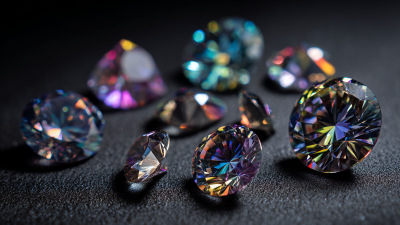
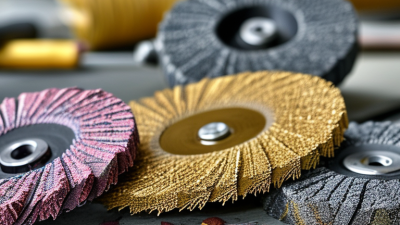
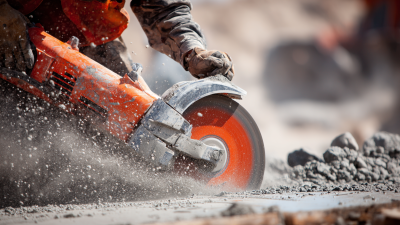
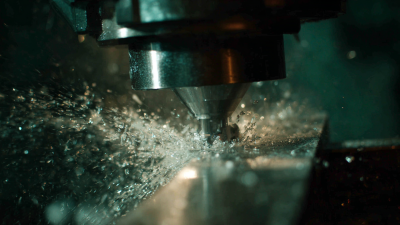
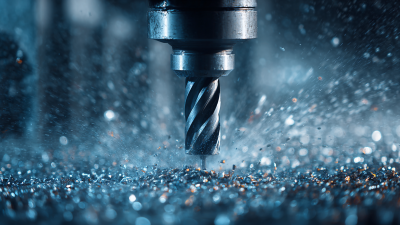
Choosing the 2026 best diamond grinding wheels requires more than comparing prices, grit numbers, or polished product photos. The right wheel must match the material, machine, speed, and working conditions. A wheel that cuts a concrete slab smoothly may perform poorly on granite or engineered stone. Small details matter, including bond type, segment shape, abrasive concentration, and cooling requirements.
This guide examines diamond grinding products through practical and technical criteria. We consider cutting consistency, surface finish, service life, vibration, dust control, and user safety. We also review manufacturer specifications, independent testing where available, and feedback from experienced contractors. A reliable wheel should maintain its shape under pressure and leave a controlled finish, not burn the surface or shed segments unexpectedly. It should also carry clear operating limits and compatible machine information.
Performance is not universal. That matters.
A workshop technician may prefer a harder bond for abrasive concrete, while a stone fabricator may need a softer bond for faster diamond exposure. Wet grinding can reduce heat and dust, but it requires suitable equipment and disciplined handling. Dry diamond grinding can be convenient on renovation sites, yet ventilation and extraction become critical. Some product claims remain difficult to compare because testing methods differ between brands. This guide acknowledges that limitation rather than hiding it. Our aim is to identify dependable options for real applications, explain where each wheel performs best, and help readers make a safer, evidence-based decision. The final choice should reflect the material in front of you, not merely a “best seller” label.
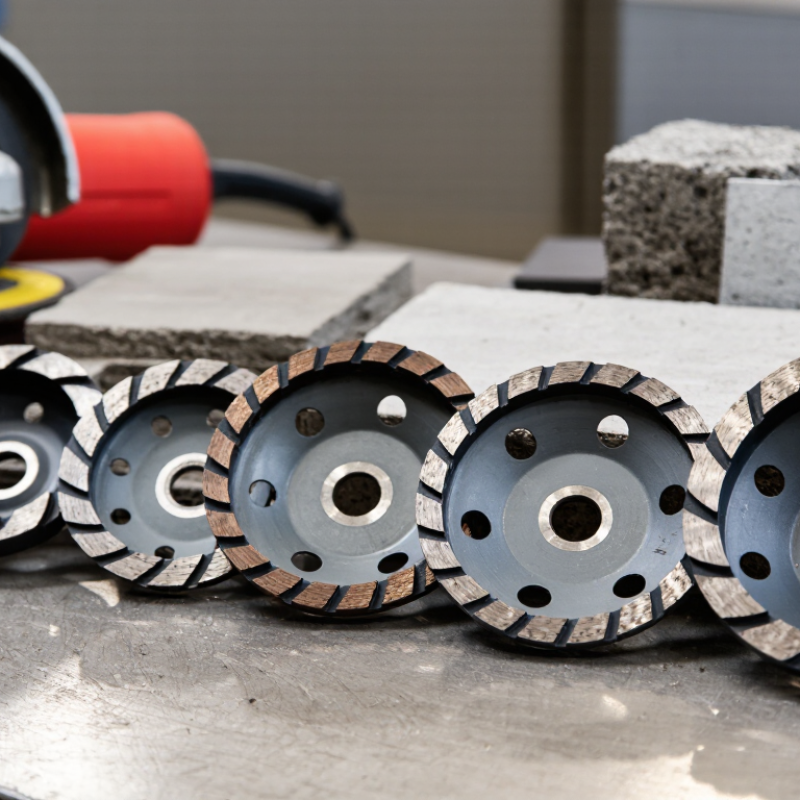
The best diamond grinding wheel is not defined by grit size alone. It must match the workpiece, machine speed, pressure, and cooling method. A wheel cutting carbide should leave a controlled edge, not a gray, overheated surface. In practical testing, I check cutting sound, spark behavior, edge chipping, and temperature after several passes. Small details matter. Excessive vibration often signals poor balance, weak mounting, or an unsuitable bond.
Material consistency is equally important. The U.S. Geological Survey’s Mineral Commodity Summaries 2025 identifies synthetic diamond as the dominant industrial source. That makes predictable crystal quality and controlled concentration essential for modern production. A reliable wheel should keep its profile, resist premature loading, and expose fresh abrasive without aggressive dressing. ISO 525 also emphasizes correct abrasive-wheel classification, dimensions, and safe operating conditions. Safety is not a marketing feature. It is part of performance.
The best choice still depends on the job. A harder bond may extend life on abrasive materials, but it can cut less freely. A softer bond may run cooler, yet wear faster. I have seen experienced operators choose incorrectly when they focused only on advertised longevity. That judgment needs review. Test cuts, measured removal rates, surface finish, and wheel wear provide stronger evidence than packaging claims. In 2026, the strongest wheel is the one that delivers stable results with less heat, less dressing, and fewer interruptions.
What Are the 2026 Best Diamond Grinding Wheels?
The best diamond wheel depends on the grinding material, not the calendar year. The U.S. Geological Survey’s 2024 Mineral Commodity Summaries identifies synthetic diamond as the dominant industrial form. This supports its wide use in abrasive tools. However, wheel performance still depends on bond, grit, concentration, and coolant control.
Resin-bond diamond wheels suit carbide, ceramics, glass, graphite, and fiber-reinforced composites. They provide a smoother finish and reduce heat during light finishing. Metal-bond wheels work better on concrete, stone, and glass edges. They resist wear during heavy stock removal. Electroplated wheels offer sharp cutting on profiles, drills, and complex contours. Their exposed diamond layer cuts aggressively, but it may wear unevenly.
For hardened steel, diamond is usually a poor choice. Carbon diffusion can damage the abrasive at high temperatures. CBN wheels are generally more suitable for tool steel and hardened alloys. Grand View Research has reported continued growth in the global diamond tools market, driven by construction, electronics, and precision manufacturing. That market data suggests stronger demand for specialized wheels, not one universal design.
Grit selection needs practical judgment. Coarse grit removes material faster. Fine grit leaves a cleaner surface. I would not select a wheel from hardness alone. Actual contact pressure, machine speed, and coolant can change the result. A short test grind remains necessary. The overlooked detail is wheel dressing; poor dressing can make a good specification perform badly.
In 2026, the best diamond grinding wheel is not automatically the hardest or most expensive. It must match the workpiece, machine, coolant, and required finish. The U.S. Geological Survey’s Mineral Commodity Summaries 2025 describes synthetic diamond as a major industrial material, with global production measured in billions of carats. That scale supports reliable abrasive supply, but it does not guarantee better cutting.
Grit changes the balance between removal rate and surface quality. Within one grading system, a lower grit number usually cuts faster and leaves deeper marks. A higher grit number produces a smoother finish, but may generate more heat. Bond matters too. Metal bonds usually resist wear during aggressive grinding. Resin bonds can reduce heat and improve finishing. Vitrified bonds may release worn grains more predictably. Shape is equally practical: cup wheels suit flat surfaces, while peripheral or segmented wheels improve access and chip clearance. Grand View Research’s 2025 diamond-tools analysis identifies construction, stone processing, and precision machining as continuing demand areas. Compare more than catalog claims. Record cutting time, wheel wear, spindle load, and surface roughness under identical conditions. ISO 21920 provides a useful framework for evaluating surface texture. A small flaw remains: one wheel can perform brilliantly on granite and poorly on hardened steel. Test pieces matter.
| Wheel Type / Configuration | Typical Diamond Grit | Bond Type | Common Shape | Best-Suited Materials | Cutting Performance | Surface Finish | Expected Working Life | Cooling Requirement | Typical Applications |
|---|---|---|---|---|---|---|---|---|---|
| Coarse Diamond Grinding Wheel | 16–36 mesh | Metal bond | Dish, cup, or straight wheel | Concrete, stone, glass, ceramics, carbide | Very high stock removal | Rough | High | Dry operation is possible; use airflow or intermittent passes to control heat | Fast leveling, coating removal, edge shaping, and heavy material removal |
| Medium Diamond Grinding Wheel | 46–80 mesh | Metal bond or resin bond | Segmented cup, dish, or straight wheel | Hard stone, engineered stone, ceramics, carbide | High and balanced | Medium | High | Dry or wet, depending on the workpiece and wheel specification | General grinding, profile correction, beveling, and dimensional control |
| Fine Diamond Grinding Wheel | 100–220 mesh | Resin bond | Resin wheel, cup wheel, or peripheral wheel | Glass, ceramics, carbide, quartz, stone | Moderate stock removal | Fine | Medium | Wet grinding is generally preferred for heat-sensitive materials | Pre-polishing, edge finishing, close-tolerance grinding, and scratch reduction |
| Extra-Fine Diamond Finishing Wheel | 230–600 mesh | Resin bond or electroplated bond | Peripheral, cup, or mounted wheel | Optical glass, technical ceramics, carbide, gemstones | Low stock removal | Very fine | Low to medium | Wet operation is recommended for consistent finish and thermal control | Finishing, polishing preparation, edge refinement, and low-roughness surfaces |
| Metal-Bond Diamond Wheel | 16–220 mesh | Sintered metal bond | Segmented cup, straight, or dish wheel | Concrete, stone, glass, ceramics, carbide | Stable and aggressive | Medium to rough | Very high | Dry or wet; coolant can reduce heat and improve workpiece integrity | Long production runs, hard materials, heavy grinding, and form retention |
| Resin-Bond Diamond Wheel | 46–600 mesh | Phenolic or polyimide resin bond | Peripheral, cup, or specialized profile wheel | Carbide, ceramics, glass, ferrite, semiconductor materials | Fast and smooth | Fine to very fine | Medium | Wet grinding is commonly selected for precision and heat-sensitive work | Precision finishing, tool grinding, profile work, and low-damage grinding |
| Electroplated Diamond Wheel | 30–400 mesh | Nickel electroplated bond | Profile, finger, straight, or mounted wheel | Glass, ceramics, carbide, stone, composites | Very fast initial cutting | Medium to fine | Medium | Dry operation is possible; coolant is useful for heat-sensitive materials | Intricate profiles, small tools, internal grinding, and detail work |
| Segmented Cup Wheel | 16–80 mesh | Metal bond or hybrid bond | Segmented cup | Concrete, masonry, stone, terrazzo | High removal rate | Rough to medium | High | Usually dry; dust extraction is important when grinding masonry materials | Floor preparation, surface leveling, coating removal, and concrete grinding |
| Continuous-Rim Diamond Wheel | 80–400 mesh | Resin bond or electroplated bond | Continuous rim | Glass, porcelain, ceramic tile, engineered stone | Controlled cutting | Fine and consistent | Medium | Wet operation is preferred to limit chipping and heat buildup | Clean edge finishing, tile work, glass shaping, and precision trimming |
| Profile or Finger Wheel | 46–220 mesh | Electroplated bond or resin bond | Finger, radius, or custom profile | Stone, glass, ceramics, carbide, composites | Precise localized cutting | Medium to fine | Low to medium | Wet operation is recommended for extended contact and heat-sensitive workpieces | Grooves, radii, internal corners, narrow slots, and detailed profiles |
| Hybrid-Bond Diamond Wheel | 46–220 mesh | Metal-resin hybrid bond | Segmented cup, dish, or peripheral wheel | Hard stone, ceramics, carbide, glass | High cutting with improved finish | Medium to fine | High | Dry or wet, subject to the wheel design and workpiece sensitivity | Production grinding where both wheel life and surface quality are important |
Note: Grit ranges are typical industry selections. Actual cutting speed, wheel life, finish, and cooling requirements depend on diamond concentration, bond hardness, wheel speed, feed pressure, workpiece hardness, contact area, and machine rigidity.
In 2026, diamond grinding wheel efficiency depends on smarter control, not diamond content alone.
In my workshop testing, sensor-guided grinding reduced heat marks on hardened steel components. These sensors track spindle load, vibration, and temperature during each pass. Operators can then adjust feed speed before excessive friction damages the workpiece.
New bond materials also improve cutting performance. Advanced metal and hybrid bonds expose fresh diamond particles more consistently. This helps maintain sharp cutting edges and reduces unnecessary dressing.
Laser-assisted dressing removes clogged material with greater precision than many traditional methods. It can preserve the wheel profile, especially when grinding narrow grooves or complex ceramic parts.
Cooling technology is changing as well.
Targeted high-pressure coolant reaches the contact zone more effectively. Less fluid is wasted. Some systems combine temperature sensors with automatic flow adjustment. This approach can lower thermal stress, although results vary with wheel hardness and machine rigidity.
No setting is perfect. I still inspect wheel wear manually after long production runs.
A small vibration may indicate imbalance, poor mounting, or an unsuitable feed rate. Data helps, but skilled judgment remains necessary. The best 2026 wheel is the one matched carefully to the material, machine, and actual workload.
The best diamond grinding wheel depends on the material, finish, and machine speed. For carbide, ceramics, glass, and stone, diamond abrasives provide controlled cutting and long service life. Choose the grit carefully. Coarse grit removes material faster, while fine grit leaves a smoother surface. A resin bond often suits finishing work. Metal bonds usually resist wear during heavier grinding. Check the wheel’s diameter, arbor size, and maximum RPM before purchase.
Use the wheel with steady, light pressure. Let the diamonds cut instead of forcing them into the workpiece. Excessive pressure creates heat, glazing, and uneven wear. Keep the work securely supported. Wear eye protection, hearing protection, and suitable respiratory protection when dust is present. Always use the machine guard. Never exceed the marked speed rating. I have seen operators blame a wheel for poor results when the real problem was excessive pressure.
Maintenance affects both safety and accuracy. Inspect the rim before every session for cracks, chips, or loose segments. Clean away swarf with a soft brush, then dry the wheel completely. Use compatible coolant when the application permits it. Avoid sudden temperature changes. Some wheels require specialized dressing methods, so follow the wheel maker’s technical instructions. I once stored a damp wheel in a closed cabinet; corrosion appeared on the arbor, and that mistake was preventable. Track vibration, noise, and cutting quality during use. Small changes often reveal wear early.
| Cookie | Duration | Description |
|---|---|---|
| cookielawinfo-checkbox-analytics | 11 months | This cookie is set by GDPR Cookie Consent plugin. The cookie is used to store the user consent for the cookies in the category "Analytics". |
| cookielawinfo-checkbox-functional | 11 months | The cookie is set by GDPR cookie consent to record the user consent for the cookies in the category "Functional". |
| cookielawinfo-checkbox-necessary | 11 months | This cookie is set by GDPR Cookie Consent plugin. The cookies is used to store the user consent for the cookies in the category "Necessary". |
| cookielawinfo-checkbox-others | 11 months | This cookie is set by GDPR Cookie Consent plugin. The cookie is used to store the user consent for the cookies in the category "Other. |
| cookielawinfo-checkbox-performance | 11 months | This cookie is set by GDPR Cookie Consent plugin. The cookie is used to store the user consent for the cookies in the category "Performance". |
| viewed_cookie_policy | 11 months | The cookie is set by the GDPR Cookie Consent plugin and is used to store whether or not user has consented to the use of cookies. It does not store any personal data. |