
Superabrasive

2026 Top Metering Equipment Suppliers for Global Buyers

Metering Equipment supports accurate control across water treatment, chemical processing, energy systems, and manufacturing. A small dosing error can affect product quality or increase waste. Buyers therefore need more than a low quoted price. They need equipment suited to the fluid, operating range, installation conditions, and required measurement accuracy.

This guide to 2026 suppliers gives global buyers a practical starting point. It considers product range, stated accuracy, materials, calibration documentation, communication options, delivery support, and access to spare parts. Details matter. A meter handling clean water may not suit a viscous liquid or a process with frequent temperature changes. Ask suppliers for technical datasheets, test records, and clear answers about maintenance intervals. Not every catalog explains these well.

Supplier selection also depends on local service capacity, lead times, language support, and the availability of trained technicians. Verify certifications and performance claims against current documentation and requirements in the destination market. No shortlist can replace a site assessment or a properly scoped technical review. Even careful comparisons can miss a constraint. That is worth remembering. Use the profiles that follow to identify credible options, then confirm fit with your engineering team before making a purchasing decision.
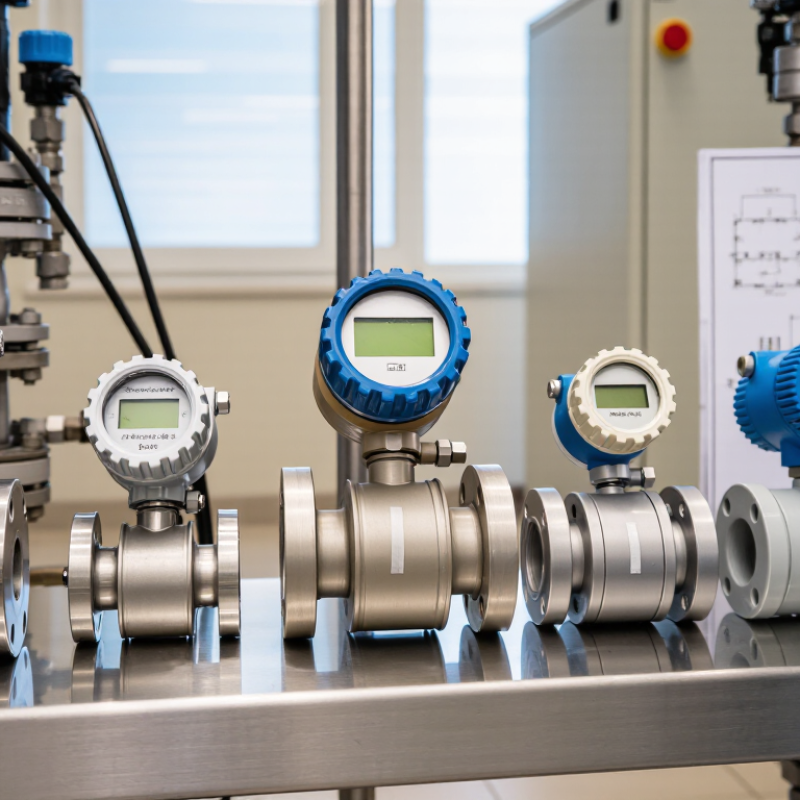
2026 Top Metering Equipment Suppliers for Global Buyers

What Metering Equipment Is and How It Works

Metering equipment measures the amount or rate of a substance or energy moving through a system. Common examples include flow meters for water and gas, and meters that track electrical use. The exact method depends on what is being measured and the conditions around it. In a water line, a meter may detect rotation, pressure changes, or ultrasonic signals as water passes through.

A sensor converts this activity into a readable signal. Internal electronics process the signal and show a value on a dial, screen, or connected monitoring system. For example, an operator might compare a pipe’s live flow reading with a target rate during a production shift. Small differences matter. Yet a reading is only useful when its units, range, and measurement conditions are understood.

Temperature, pressure, vibration, and installation position can affect performance. Calibration checks whether a meter’s readings remain close to a known reference; the suitable interval depends on the device and its use. No meter is perfect. That is worth remembering when readings seem unusually precise. Buyers should match the measurement principle and operating range to the application, then confirm documentation, service support, and calibration options with the supplier. A clear specification can prevent a meter from being accurate in the wrong conditions.

Major Types of Metering Equipment and Their Applications

Metering equipment measures consumption, flow, or energy use across homes, buildings, and industrial sites. Electricity meters track power use for billing and load management. Water meters help utilities monitor consumption and identify unusual flow. Gas meters measure fuel use in residential and commercial systems. In factories, flow meters monitor liquids or gases moving through pipes, helping operators keep processes steady.

Thermal energy meters are common in heating and cooling networks. They compare flow with temperature differences to estimate energy transfer. Selection depends on the fluid, pipe size, expected flow range, and operating conditions. A meter suited to clean water may perform poorly with viscous fluids or suspended particles. Installation matters, too: bends, vibration, and poor sensor placement can affect readings. No single device fits every site. Even a well-specified meter may need practical adjustment after installation.

Tips: Check the required measurement range and connection size before ordering. Ask how calibration is verified, and keep a record of maintenance. For a small pipe, confirm that the chosen meter will not restrict flow. A quick site check can prevent an expensive mismatch.

2026 Top Metering Equipment Suppliers for Global Buyers - Major Types of Metering Equipment and Their Applications

Equipment type Measurement principle Typical media and conditions Common applications Key selection considerations
Electromagnetic flow meter Uses electromagnetic induction to measure the velocity of a conductive liquid. Conductive liquids, including water, wastewater, slurries, and many process liquids. Not suitable for non-conductive fluids such as most hydrocarbons. Water and wastewater treatment, chemical processing, pulp and paper, and industrial utilities. Check minimum liquid conductivity, liner and electrode compatibility, pipe filling, grounding, and installation requirements.
Ultrasonic flow meter Measures flow using the travel-time difference or Doppler shift of ultrasonic signals. Transit-time designs commonly measure clean liquids; Doppler designs require sound-reflecting particles or bubbles. Clamp-on models can measure without cutting the pipe. Water networks, energy monitoring, temporary surveys, and measurement on large pipes. Consider fluid cleanliness, pipe material and wall condition, sensor mounting, straight-run needs, and whether in-line or clamp-on installation is preferred.
Coriolis mass flow meter Detects the Coriolis effect in vibrating tubes to measure mass flow; many designs also report density and temperature. A wide range of liquids and gases, subject to the meter’s pressure, temperature, and material limits. Batching, chemical dosing, custody-related measurement, and process control where direct mass measurement is useful. Evaluate line size, pressure drop, vibration, fluid compatibility, installation support, and total cost.
Positive displacement meter Counts repeated, fixed-volume chambers filled and discharged by the passing fluid. Primarily liquids; commonly used with clean fluids and can be suitable for more viscous liquids depending on design. Fuel and oil measurement, liquid batching, dispensing, and selected commercial or process services. Check viscosity range, particle contamination, pressure loss, moving-part wear, and maintenance access.
Turbine flow meter Relates the rotational speed of a rotor to the flow velocity through the meter. Typically clean, relatively low-viscosity liquids or gases within the instrument’s specified operating range. Fuel systems, gas measurement, process liquids, and test or monitoring systems. Assess fluid cleanliness, viscosity, flow profile, straight-run requirements, bearing wear, and calibration needs.
Vortex flow meter Measures vortices shed from a bluff body placed in the flow stream. Liquids, gases, and steam; performance depends on suitable flow velocity and process conditions. Steam monitoring, compressed air, utility services, and general process flow measurement. Check minimum flow rate, pipe vibration, pressure and temperature range, and required straight pipe lengths.
Thermal mass flow meter Uses heat transfer from a heated sensor to determine gas mass flow. Primarily gases; calibration and accuracy can depend on gas composition and operating conditions. Compressed air, fuel gas, biogas, and emissions or process gas monitoring. Confirm gas composition, moisture and contamination limits, insertion or in-line mounting, and calibration basis.
Differential pressure flow meter Infers flow from the pressure difference created by a primary element, such as an orifice plate, nozzle, or Venturi tube. Liquids, gases, and steam when the primary element and installation are correctly engineered. Process plants, steam lines, energy systems, and applications requiring established differential-pressure measurement methods. Consider permanent pressure loss, turndown, impulse-line design, fluid properties, installation geometry, and applicable standards.

Selection note: Verify the required flow range, accuracy, process connections, pressure and temperature limits, wetted-material compatibility, calibration requirements, and local approvals for the specific installation.

Key Markets and Industry Trends Shaping Demand in 2026

Demand in 2026 will be shaped by grid upgrades, urban growth, and rising electricity use—not meter replacement alone. The IEA’s Electricity 2024 report projected global electricity demand would grow by an average of 3.4% annually from 2024 to 2026. More electric vehicles, air conditioning, and data centers make accurate load data increasingly valuable.

That is substantial. Utilities need meters that capture usage reliably, communicate consistently, and remain serviceable in the field.

Asia’s expanding cities and infrastructure projects are important demand centers, while buyers in Europe and North America often focus on grid visibility, interoperability, and peak-load management. The IEA’s Electricity Grids and Secure Energy Transitions report estimates that 80 million kilometres of grids must be added or refurbished by 2040. Metering systems will support this transition, but rollout speed and communications coverage vary widely.

Forecasts are not purchase orders. Local conditions still matter.

Tips

Ask suppliers for verified accuracy, communications performance, and support terms under your operating conditions. Test data integration before large-scale procurement. Compare lifecycle costs, not just unit prices. A low-cost meter can become expensive when installation, maintenance, or connectivity falls short.

Leading Metering Equipment Suppliers for Global Buyers

Global buyers need metering equipment suppliers that understand real operating conditions, not just catalogue specifications. A meter installed in a dusty plant or a damp utility room faces different demands. Reliable suppliers explain measurement range, expected accuracy, pressure limits, and suitable materials in plain language. Ask for current calibration records and clear guidance on installation. Details matter.

For water, gas, or industrial process measurement, confirm that the supplier can support the required flow range and connection type. Check how readings are transmitted, stored, and reviewed. A datasheet may look complete, yet leave questions about low-flow performance or maintenance intervals. Request sample documents before placing a large order. They reveal how carefully the supplier handles practical details.

Compare more than the unit price. Check lead times, spare-part availability, technical response times, and training options. Ask how faults are investigated and what information the service team needs. Small differences add up. A supplier may offer impressive specifications but limited follow-up support, a trade-off that is easy to overlook. Even experienced buyers should test assumptions against site conditions; no supplier or meter is perfect for every application.

How to Evaluate Suppliers, Standards, and After-Sales Support

2026 Top Metering Equipment Suppliers for Global Buyers

Supplier evaluation should start with the intended application, not a glossy catalogue. The IEA’s 2023 report, Electricity Grids and Secure Energy Transitions, says annual grid investment must rise from about $300 billion to more than $600 billion by 2030. That pressure makes dependable meters and supplier capacity increasingly important. Ask for test reports, calibration records, production capacity, and references from comparable installations. Check that the proposed meter suits local voltage, communication networks, climate, and installation conditions.

Standards need careful checking. For electricity meters, review relevant IEC 62052 and IEC 62053 requirements, and confirm whether local rules require additional type approval or verification. For metrological confidence, ask how calibration is traceable and whether the testing laboratory holds suitable ISO/IEC 17025 accreditation. Paperwork helps, but it is not proof of field performance. Request sample readings, error limits, and clear explanations of test conditions.

After-sales support can determine the real cost of ownership. Confirm spare-parts availability, firmware support, repair procedures, training, and response times in writing. Ask who handles failures in your region, and how long replacement units take to arrive. A low purchase price may hide long downtime. One point deserves honest reflection: promised service levels are only useful when they are measurable and enforceable. Check them against actual service records where possible.

All search results