2026 Top Types of Mild Steel Plate for Global Buyers
Global buyers need more than a familiar product name. They need a mild steel plate that matches strength, thickness, forming requirements, welding conditions, and delivery expectations. This 2026 guide examines the leading plate types used across construction, machinery, transportation, energy, and general fabrication. It compares hot-rolled grades, structural plates, pressure-related materials, weather-resistant options, and internationally traded equivalents.
John C. Lippold, a respected welding metallurgy expert, has noted that “welding is both a science and an art.” That reminder matters here. A plate may meet its chemical limits yet perform poorly after cutting, bending, or welding. Buyers should review yield strength, tensile strength, carbon content, impact values, surface condition, flatness, and mill test certificates. Grade names can also mislead. ASTM A36, EN S275JR, and JIS SS400 may serve similar applications, but they are not automatically interchangeable.
Small details matter.
This article highlights practical selection points for each major Mild Steel Plate type. It also considers thickness availability, tolerance control, coating needs, inspection records, and supplier traceability. Real purchasing decisions rarely follow a perfect checklist. A lower-cost plate can create extra machining, repair welding, or delayed approval. That risk deserves attention. Standards, certificates, and third-party inspection improve confidence, but they do not replace technical judgment. Buyers should confirm the project specification, destination requirements, and fabrication method before ordering. Some recommendations will depend on local supply, and that limitation should remain visible.
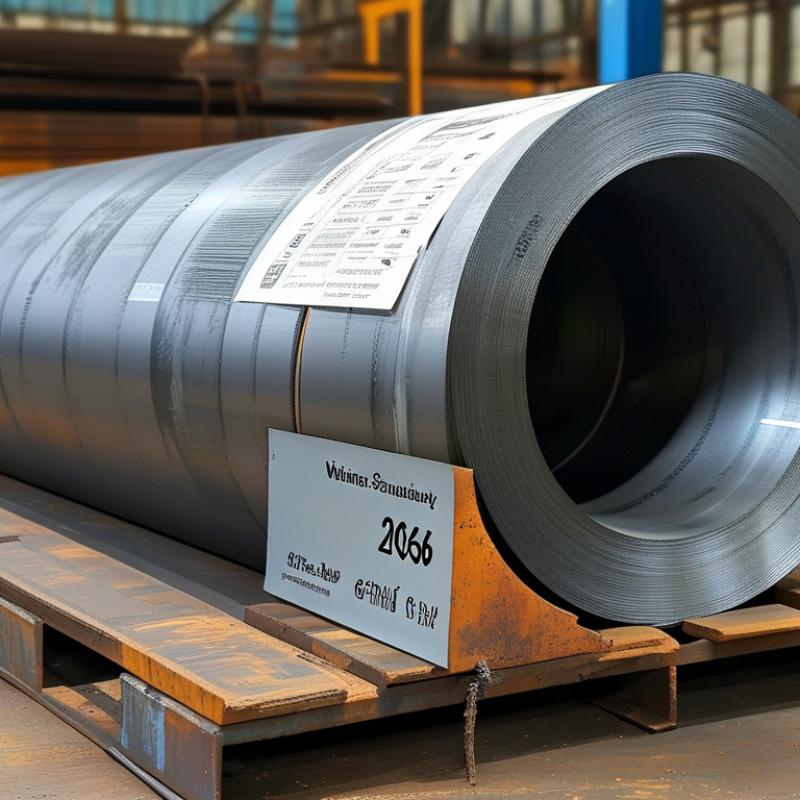
Mild Steel Plate Basics and Key Classification Standards
2026 Top Types of Mild Steel Plate for Global Buyers
Mild steel plate contains relatively low carbon, making it practical for fabrication, welding, and general construction. Its performance depends on more than carbon content. Thickness, yield strength, tensile strength, surface condition, and delivery state also influence purchasing decisions. Numbers matter.
Global buyers commonly compare grades under ASTM, EN, JIS, and national standards. ASTM A36 is widely specified for structural applications. EN 10025 includes grades such as S235JR, which uses a different designation system. JIS G3101 SS400 is another familiar reference. These grades may appear similar, but they are not automatically interchangeable. A certificate should confirm chemistry, mechanical results, heat number, and test conditions.
Classification also follows plate thickness and manufacturing condition. Hot-rolled plate may show mill scale, while shot-blasted plate offers a cleaner surface for coating. Normalized or controlled-rolled material can provide more consistent toughness. Buyers should check whether the project requires impact testing, ultrasonic inspection, or a specific tolerance class. A simple comparison table can help, yet it may hide important differences. I have seen specifications copied without checking thickness ranges. That mistake can affect yield strength, welding procedures, and final cost. Verify the current standard edition and request complete mill documentation before approval.
2026 Top Types of Mild Steel Plate for Global Buyers
Mild Steel Plate Basics and Key Classification Standards
The chart compares the specified minimum yield strength of widely used low-carbon structural plate grades for thicknesses up to 16 mm. S235JR, S275JR, and S355JR are classified under EN 10025-2, while ASTM A36 is specified under ASTM A36/A36M. Higher yield strength generally supports thinner designs, while plate selection should also consider thickness, weldability, toughness, forming requirements, and the applicable edition of the standard.
Main Types of Mild Steel Plate for Industrial Applications
Mild steel plate remains a practical choice for industrial applications because it combines weldability, formability, and moderate cost. Its main types serve different working conditions. Hot-rolled mild steel plate suits structural frames, machinery bases, tanks, and general fabrication. It has a rougher surface and wider thickness tolerance. However, that finish is often acceptable after painting or blasting.
Cold-rolled plate offers a smoother surface and more accurate dimensions. It fits equipment panels, enclosures, light fabrication, and components requiring clean forming. Galvanized mild steel plate adds a zinc coating for improved corrosion resistance. It works well in ducts, outdoor cabinets, and agricultural equipment. Checkered plate provides raised patterns for stair treads, platforms, and vehicle floors. Pressure-related projects may require low-carbon boiler or pressure-vessel plate with controlled chemistry and documented testing. The cheapest option is not always suitable.
Tips: Confirm thickness, grade, coating, and surface condition before ordering. Request mill certificates and inspection records. Check yield strength, tensile strength, and impact requirements against the project specification. For welded parts, review carbon content and welding procedures. Plate edges can arrive slightly uneven. This detail is easy to overlook. In humid service, even galvanized plate needs careful edge protection and drainage design. Selection should reflect load, temperature, corrosion exposure, and fabrication limits, not price alone.
Inspection, Certification, and Safe Purchasing Practices
2026 Top Types of Mild Steel Plate for Global Buyers
Mild steel plate remains popular for structures, machinery, tanks, and general fabrication. Common choices include hot-rolled structural plate, pressure vessel plate, and weather-resistant plate. Each type requires different inspection priorities. Buyers should confirm the specified grade, thickness, width, surface condition, and intended service before ordering. A lower price may hide poor flatness or inconsistent chemistry.
Inspection, Certification, and Safe Purchasing Practices
Request a material test certificate for every heat number. It should show chemical composition, yield strength, tensile strength, elongation, dimensions, and delivery condition. Compare these details with the purchase specification. Independent inspection can verify sampling, ultrasonic testing, coating thickness, and marking accuracy. Check that plate markings match the certificate and packing list. Traceability matters.
Tips: Photograph markings before shipment. Keep inspection records. Ask for the applicable standard edition. Confirm whether testing is required before or after cutting. Never accept an unclear certificate.
A reliable supplier should explain tolerances, production limits, and rejection procedures in writing. Safe purchasing also requires checking moisture protection, lifting methods, export documents, and destination requirements. Certificates can be genuine yet incomplete. That weakness deserves attention. No checklist is perfect. Buyers should review unusual results instead of approving plates automatically. When the application is critical, use an agreed inspection plan and retain samples when practical. Clear communication reduces disputes, but it cannot replace physical verification.
