Why Are Auto Sensors Essential for Vehicle Safety and Performance?
Auto Sensors have become a pivotal component in modern vehicles. These devices monitor various parameters to enhance safety and performance. Their operation is seamless yet fundamentally important. For instance, they adjust braking systems, monitor tire pressure, and detect obstacles. When auto sensors function correctly, they provide drivers with a safer journey.
However, reliance on these sensors raises concerns. Issues like sensor failure can lead to severe consequences. Inadequate maintenance may result in erratic performance. Therefore, understanding how these sensors work is essential for all drivers. Knowledge can mitigate risks associated with sensor malfunctions.
The integration of auto sensors into vehicle design reflects a commitment to safety. With advancements in technology, their capabilities continue to expand. It is crucial for both manufacturers and consumers to prioritize auto sensor functionality. This ensures that vehicles remain reliable and safe amid ever-evolving driving conditions.
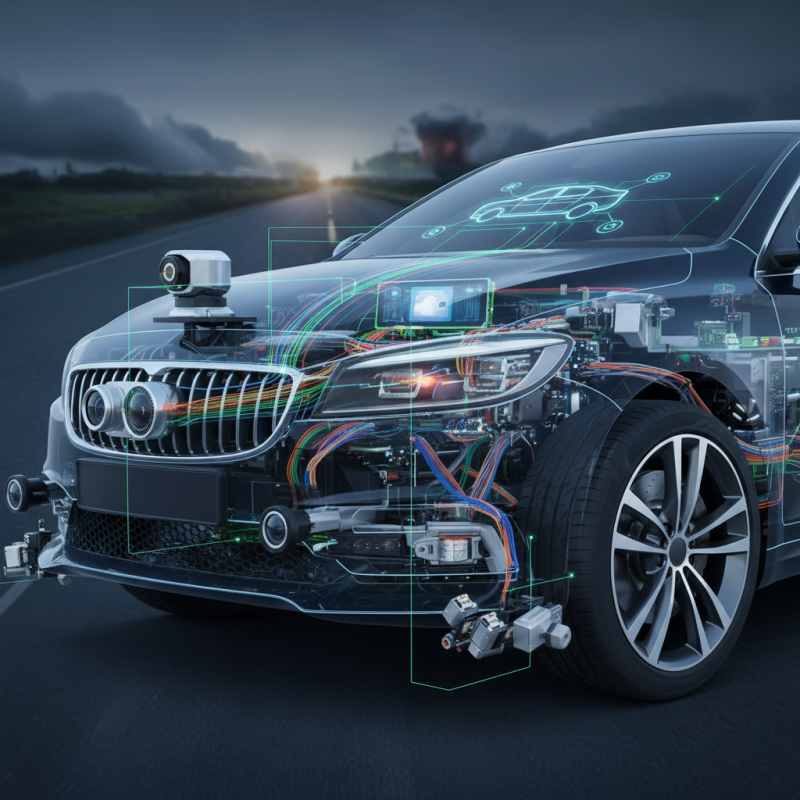
The Role of Auto Sensors in Modern Vehicle Design
Auto sensors play a crucial role in modern vehicle design. They enhance safety and improve performance through innovative technology. These sensors provide real-time data about various vehicle conditions. This information helps in decision-making processes, which is vital for both drivers and manufacturers.
Advanced sensor systems monitor tire pressure, temperature, and engine performance. They also assist with parking and collision avoidance. However, while technology upgrades offer benefits, they aren't flawless. Sensor malfunctions can lead to dangerous situations if not addressed promptly. Regular maintenance and updates are key to ensuring their reliability.
The integration of sensors into vehicle design has revolutionized the automotive industry. Yet, it's essential to remain aware of their limitations. Over-reliance on sensors can sometimes cause drivers to become complacent. Balancing technology use with driver awareness is critical for optimal safety and performance on the road.
Types of Auto Sensors Used in Vehicles and Their Functions
Auto sensors play a vital role in modern vehicles, enhancing both safety and performance. They detect critical information that allows drivers and advanced systems to respond appropriately. Different types of sensors work together to create a safer driving experience. According to industry reports, more than 70% of new vehicles now use advanced sensor technologies.
One common type is the LiDAR sensor. It helps with adaptive cruise control and collision avoidance. This technology operates by sending out laser pulses and measuring the time it takes for them to return. It offers precise distance measurements, vital for maintaining safe distances.
Another key sensor is the tire pressure monitoring sensor (TPMS). Maintaining correct tire pressure improves fuel efficiency by 3% to 4%. A study found that under-inflated tires can increase the risk of accidents. In fact, 11,000 crashes annually are linked to tire issues. These insights underline the importance of integrating effective sensors in automobiles.
How Auto Sensors Enhance Vehicle Safety Features
Auto sensors play a crucial role in modern vehicle safety systems. They help monitor various aspects of a vehicle's performance. For example, sensors can detect the distance to other vehicles and adjust speed accordingly. This capability reduces the risk of collisions. Additionally, sensors can monitor tire pressure and alert the driver to any abnormalities. These features improve overall safety and prevent accidents.
Moreover, auto sensors enhance features like lane departure warnings and blind-spot detection. When a vehicle drifts from its lane, the sensors activate alerts. In blind spots, they help identify nearby vehicles. Each of these systems requires precise sensor data to function effectively. Despite advancements, sensor failures can lead to dangerous situations. Regular maintenance is essential for ensuring accurate readings. Faulty sensors could compromise safety.
Incorporating these sensors into vehicles is a complex process. Calibration and integration are vital for optimal performance. Even minor errors in sensor data can have severe implications. Therefore, ongoing development is necessary to refine these technologies. Automotive engineers continually assess their functionality and reliability, striving to enhance vehicle safety features.
Impact of Auto Sensors on Vehicle Performance and Efficiency
Auto sensors play a crucial role in enhancing vehicle performance and efficiency. These devices monitor various conditions, such as tire pressure, engine temperature, and fuel levels. According to a report from the National Highway Traffic Safety Administration, vehicles equipped with advanced sensor technology can reduce accidents by up to 30%. This shows their impact on safety and, indirectly, on overall efficiency.
Moreover, auto sensors contribute to fuel economy. A recent study indicated that vehicles using adaptive sensors for managing fuel injection can improve fuel efficiency by nearly 15%. Such improvements highlight the importance of integrating cutting-edge sensor technology. Sensor data allows vehicles to adapt their performance in real-time, further optimizing fuel usage.
However, the reliance on sensors raises questions. While they enhance vehicle operation, sensor failures can lead to serious problems. There are instances where sensor inaccuracies have caused performance issues. Continuous advancements are necessary to address these vulnerabilities. Ensuring the reliability of these systems is crucial for maximizing safety and efficiency in modern vehicles.
Why Are Auto Sensors Essential for Vehicle Safety and Performance?
| Sensor Type | Primary Function | Impact on Safety | Impact on Performance | Impact on Efficiency |
| ABS Sensor | Monitors wheel speed | Prevents wheel lock-up during braking | Improves braking stability | Enhances fuel economy by maintaining speed |
| RPM Sensor | Tracks engine revolutions | Ensures optimal engine performance | Smoother acceleration | Optimizes fuel injection |
| Parking Sensor | Assists during parking | Reduces collision risk | Eases parking maneuvers | Minimizes vehicle damage costs |
| Airbag Sensor | Detects collision force | Deploys airbags in an accident | Reduces injury during crashes | Potentially decreases medical costs |
| Tire Pressure Sensor | Monitors tire pressure | Alerts to low tire pressure safety risk | Improves handling and stability | Enhances fuel efficiency |
Future Trends in Auto Sensors for Enhanced Vehicle Technology
The future of auto sensors is bright, bringing significant advancements to vehicle technology. As vehicles become more connected, sensors will play a critical role. This evolution involves radar, LIDAR, and camera systems that enhance safety and performance. These technologies can detect obstacles and monitor driver behavior, ensuring safer driving conditions. This level of integration promotes real-time data analysis, allowing for immediate responses to potential hazards.
Tips for drivers: Stay updated on sensor maintenance. Regular checks can prevent unexpected failures. Furthermore, using high-quality replacements is essential for optimal functionality.
Moreover, AI-driven sensors are on the rise. They offer predictive capabilities, analyzing driving patterns and adapting performance accordingly. This innovation enhances efficiency and reduces wear and tear on vehicle systems. However, it raises questions about data privacy. As vehicles gather more data, the need for secure data management becomes paramount.
Consider this: How well do you understand your vehicle's sensor technology? Familiarize yourself with their functions. Understanding how these systems work can improve interaction and safety. As the market evolves, being informed is crucial for maximizing vehicle performance and safeguarding your experience.
