What are the Benefits of HVLS Fans for Large Spaces?
HVLS Fans, or High Volume Low Speed fans, have gained popularity for large spaces. They are designed to move a significant volume of air while operating at low speeds. This unique feature results in increased energy efficiency and improved comfort levels. Many facilities, from warehouses to gymnasiums, can benefit from these powerful fans.
The advantages of HVLS fans extend beyond mere air circulation. They help maintain consistent temperatures in large areas, significantly reducing the reliance on traditional HVAC systems. This translates to lower energy costs, which is essential for businesses. Moreover, HVLS fans enhance indoor air quality by promoting better airflow, which is crucial in crowded environments.
However, not all spaces may suit HVLS fan installation. It's essential to assess the specific needs of your facility. Some users may find that the initial investment is higher than expected. Yet, the long-term benefits often outweigh these concerns. Making an informed decision requires careful consideration and understanding of HVLS technology.
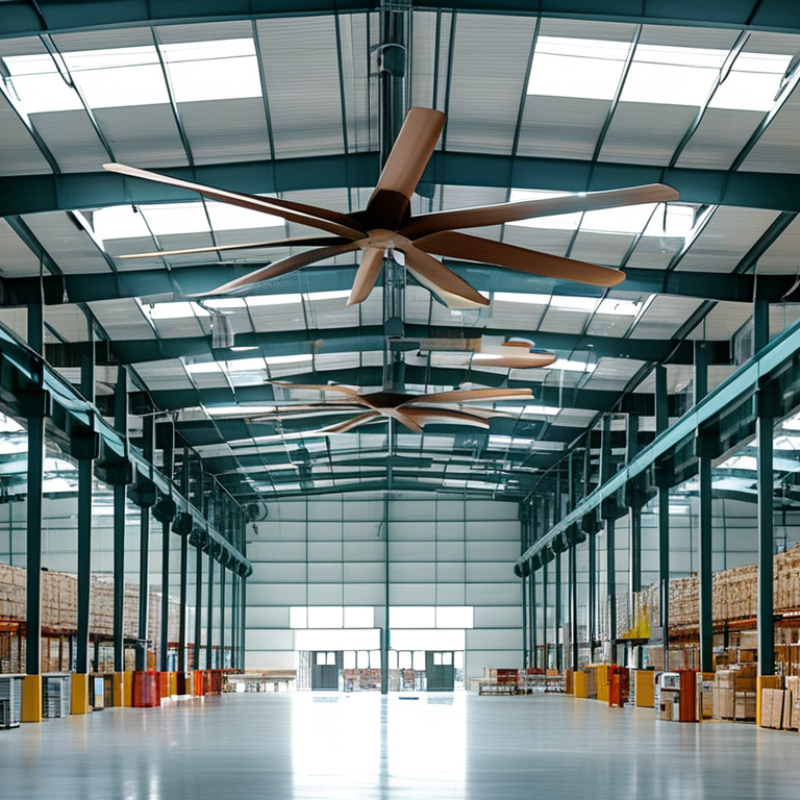
Understanding HVLS Fans: Definition and Functionality
HVLS fans, or High-Volume Low-Speed fans, play a crucial role in large spaces. These fans are designed to circulate a significant amount of air at a low rotational speed. This unique functionality helps maintain a comfortable environment in warehouses, gymnasiums, and manufacturing facilities. The quiet operation is a huge plus. Workers can focus on their tasks without distraction.
One key advantage of HVLS fans is their energy efficiency. They use less energy compared to traditional fans while providing better air circulation. This leads to lower energy bills. Additionally, the fans can help regulate temperatures throughout the space. In the summer, they create a cooling breeze. In winter, they help distribute warm air evenly. However, it's essential to position them correctly for optimal performance. Some spaces may not benefit as much without proper placement.
Another aspect is their durability. HVLS fans are built to withstand the rigors of large spaces. They often require minimal maintenance, making them a reliable choice. Yet, potential challenges exist, such as noise and installation complications. Not all workers have the expertise to install these fans. Careful planning and professional assistance might be needed. These factors can influence the fan's overall efficiency in real-world applications.
Advantages of Using HVLS Fans in Large Spaces
HVLS fans, or High-Volume Low-Speed fans, offer significant benefits for large spaces. One of the main advantages is improved airflow. In vast warehouses or industrial settings, traditional fans struggle to circulate air effectively. HVLS fans move large volumes of air at lower speeds, creating a gentle, consistent breeze that enhances comfort. This can lead to improved employee morale and productivity, as a comfortable working environment is crucial for performance.
Energy efficiency is another key benefit. These fans consume less energy compared to conventional models, which can lead to lower utility bills. They help reduce the need for heating and cooling systems, contributing to significant savings. Many facilities find that investing in HVLS fans pays off in the long run.
Tip: When selecting HVLS fans, consider the height of your ceiling. Fans mounted too low may not offer the desired airflow.
Another consideration is maintenance. While HVLS fans are generally low-maintenance, regular checks are necessary to ensure optimal performance. Dust and debris can hinder their effectiveness.
Tip: Schedule seasonal maintenance to keep the fans running smoothly. This can extend their lifespan and maintain efficiency.
Energy Efficiency and Cost Savings of HVLS Fans
HVLS (High Volume Low Speed) fans present notable advantages for large spaces, especially regarding energy efficiency. Research indicates that these fans can reduce energy expenditure by up to 30%. Their design allows for extensive air circulation while maintaining a gentle breeze. This is critical in warehouses or manufacturing facilities, where high ceilings can trap heat. By using HVLS fans, businesses can cool these areas more efficiently, lowering the reliance on traditional air conditioning systems.
Cost savings are equally significant. Operating an HVLS fan typically requires less energy than conventional fans or HVAC systems. Data from energy efficiency reports show that HVLS fans consume approximately 50% less electricity. This reduction can lead to substantial savings over time, particularly in facilities with extensive operational hours. Moreover, a single HVLS fan can replace multiple smaller fans, further minimizing maintenance and replacement costs.
However, deploying HVLS fans is not always straightforward. Their initial investment might deter some businesses. Understanding the long-term benefits is key. Evaluation of specific operational needs is crucial for determining if the switch to HVLS technology is worth the upfront cost. Balancing these factors can lead to better operational efficiency while addressing immediate comfort concerns.
HVLS Fans and Improved Air Quality in Large Environments
HVLS fans play a crucial role in enhancing air quality in large spaces. These fans create a gentle, consistent airflow that promotes better ventilation. According to a report from the U.S. Department of Energy, proper air circulation can reduce energy consumption by up to 30%. This reduction is vital for businesses looking to cut costs while maintaining a healthy environment.
Effective air circulation helps to disperse pollutants and moisture, which can lead to improved indoor air quality. A study by the Environmental Protection Agency noted that poor air quality can result in a 40% decrease in worker productivity. HVLS fans help mitigate this issue by diluting contaminants in the air, ensuring that workers breathe cleaner air. However, it is important to note that while HVLS fans reduce humidity and improve air quality, they should not replace HVAC systems.
In addition to energy savings and air quality, HVLS fans create a more comfortable environment. However, implementing these systems requires careful planning. The size and layout of the space can impact their effectiveness. An inefficient placement could lead to stagnant areas or excessive noise. Businesses should consult professionals to ensure optimal performance and avoid potential pitfalls.
Applications of HVLS Fans in Various Industries and Settings
HVLS fans, or high-volume low-speed fans, are increasingly utilized across various industries. Their applications span large spaces such as warehouses, gyms, and manufacturing facilities. According to a report from the American Society of Heating, Refrigerating and Air-Conditioning Engineers (ASHRAE), these fans can improve air circulation by up to 30%. This efficiency is critical in environments where maintaining temperature stability is essential.
In the agricultural sector, HVLS fans create a more comfortable environment for livestock. Research indicates that improved airflow can enhance animal health and productivity. For instance, a study published by the University of Kentucky found that cow milk production increased by approximately 10% in facilities equipped with HVLS fans. Moreover, in commercial settings like retail stores, the use of these fans can promote energy savings, reducing cooling costs by as much as 20%. However, while effective, improper installation can lead to uneven airflow and create hot spots.
HVLS fans are also prominent in food processing plants. Here, they help meet strict hygiene standards by reducing humidity. This is vital because excess moisture can lead to spoilage. Conversely, in certain settings, the noise produced by these fans can be an issue. Therefore, ensuring proper fan placement and maintenance becomes necessary. This reflection on both benefits and drawbacks provides critical insights into their adoption across different industries.
What are the Benefits of HVLS Fans for Large Spaces?
| Industry/Setting | Key Benefits | Applications |
| Warehouses | Energy Efficiency, Improved Air Circulation | Material Storage, Loading Docks |
| Industrial Facilities | Cost Savings, Enhanced Worker Comfort | Manufacturing Plants, Assembly Lines |
| Agricultural Buildings | Humidity Control, Pest Prevention | Barns, Greenhouses |
| Retail Spaces | Increased Customer Comfort, Reduced HVAC Load | Showrooms, Large Stores |
| Sports Venues | Improved Air Quality, Offsetting Heat Generated by Crowds | Stadiums, Arenas |
