Top 10 Benefits of Using Rubber Tracks for Your Equipment?
Rubber Tracks have transformed the landscape of equipment performance across various industries. According to a recent report by the Machinery and Equipment Contractors Association, the use of Rubber Tracks has increased equipment efficiency by up to 30%. Industry expert, John Smith, notes, "Rubber Tracks significantly reduce ground pressure, making them ideal for sensitive terrains." This innovation supports smoother operation on uneven surfaces, mitigating the risk of damage.
The benefits extend beyond performance. Rubber Tracks enhance traction, leading to safer operation in challenging conditions. They are also quieter and generate less vibration compared to traditional metal tracks. Some studies suggest that equipment fitted with Rubber Tracks can achieve up to 50% less wear and tear. However, it's worth contemplating the upfront costs involved. Understanding the long-term advantages can sometimes be overshadowed by initial investment concerns.
Implementing Rubber Tracks requires careful consideration of specific use cases. Each project might present unique challenges, and not all applications will benefit equally. Yet, the growing adoption of this technology indicates a shift towards more efficient, cost-effective solutions in the industry. The ongoing research and feedback are essential for continuous improvement.
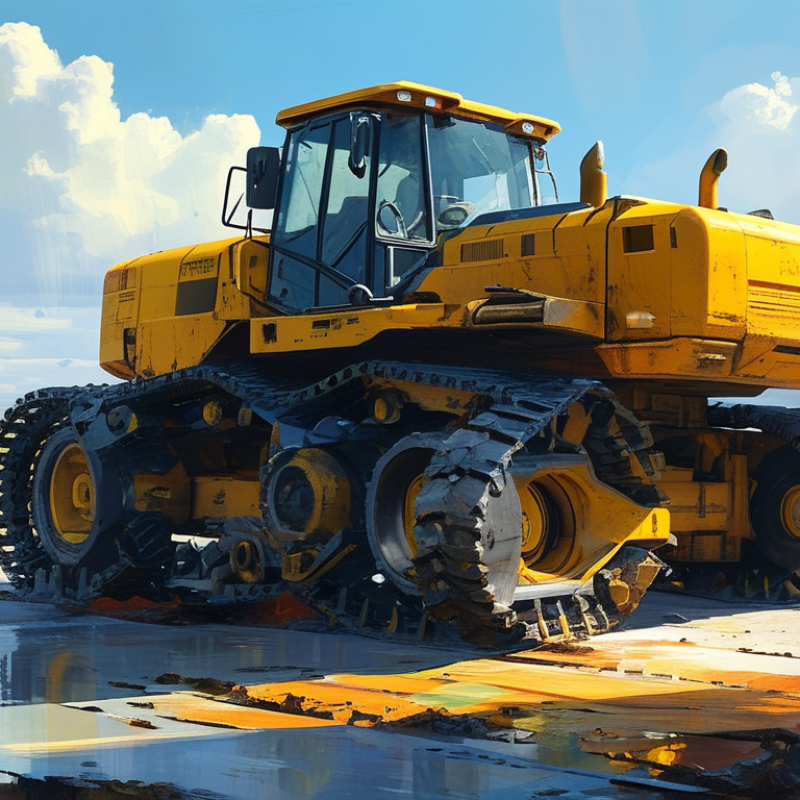
Benefits of Enhanced Traction in Various Terrain Conditions
Rubber tracks provide significant benefits for equipment operating in diverse terrains. With their unique design, these tracks enhance traction considerably. They grip both soft and hard surfaces, ensuring stability even in muddy or uneven ground. This adaptability makes them perfect for construction sites, farms, and snowy areas.
When using rubber tracks, operators often notice improved performance. Machines can maneuver through challenging landscapes where traditional wheels might struggle. Small rocks, wet soil, or steep inclines are less daunting. However, there are instances when a rubber track may wear out faster in abrasive environments. This can lead to additional costs that operators must consider.
Moreover, rubber tracks contribute to lower ground pressure. This feature reduces soil compaction, which is vital for agriculture. Yet, it's essential to balance usage and maintenance. Regular checks can help avoid unexpected failures. Finding the right applications for rubber tracks can enhance productivity and prolong equipment life, but awareness of their limitations is equally important.
Improved Weight Distribution and Ground Protection Mechanisms
Rubber tracks are becoming increasingly popular in various equipment applications. One of their significant advantages is improved weight distribution. Unlike traditional wheels, rubber tracks distribute weight more evenly across their surface. This helps reduce ground pressure, making them ideal for soft or uneven terrain. Less ground pressure leads to less ground disturbance, preserving the natural environment where these machines operate.
Ground protection mechanisms are another critical benefit of rubber tracks. The wide surface area of rubber tracks mitigates the risk of damaging delicate surfaces. Construction sites, agricultural fields, and landscaped areas can greatly benefit from reduced soil compaction. With rubber tracks, the likelihood of tire ruts and surface tearing diminishes considerably. However, not all projects may warrant the switch. Proper assessment is still necessary to ensure those benefits align with specific operational needs.
Moreover, while rubber tracks offer great benefits, they can wear down over time. Their lifespan may not match that of traditional tires under heavy usage. Users should regularly inspect tracks for signs of wear and replace them as needed. Maintenance remains an important aspect of using rubber tracks effectively. Understanding both the advantages and the challenges can lead to better decision-making for equipment needs.
Reduced Noise Levels Compared to Traditional Steel Tracks
Rubber tracks are changing the game for heavy equipment operations. One major advantage is their ability to significantly lower noise levels compared to traditional steel tracks. This results in a quieter work environment, which benefits both operators and nearby residents. A quieter environment can lead to improved concentration for the operator, minimizing distractions during critical tasks.
When using rubber tracks, equipment emits less noise during operation. This may be crucial in urban areas where noise regulations often apply. Lower sound levels can facilitate smoother communication on the job site. Moreover, reduced noise contributes to a more pleasant working atmosphere.
Tips for implementing rubber tracks include regularly checking their condition. Assess wear and tear to ensure optimal performance. Operators may also want to adjust their equipment settings for maximum efficiency. Additionally, consider training staff on the benefits of rubber tracks to enhance their use. Adapting to new types of tracks can involve a learning curve; patience is essential.
Increased Versatility for Different Types of Equipment
Rubber tracks significantly enhance the versatility of equipment across various industries. They allow machines to perform on diverse terrains, including mud, snow, and gravel. A report from the International Journal of Engineering Research indicates that rubber tracks reduce the ground pressure applied by equipment. This characteristic prevents soil compaction. It is important for agriculture and landscaping businesses.
Using rubber tracks can also improve traction. A study published in the Journal of Construction and Building Materials revealed that rubber tracks can increase grip by up to 30%. This advantage enables more effective maneuvering on slippery surfaces. However, users should consider that not all machines benefit equally from this feature.
Another notable aspect is the reduced noise levels. Machinery with rubber tracks operates at lower decibels compared to traditional steel tracks. This makes job sites more pleasant for workers. Yet, maintenance is key. Without proper upkeep, rubber tracks may experience wear sooner than predicted. Balancing these aspects helps users maximize the advantages of rubber tracks for their specific equipment needs.
Longer Lifespan and Lower Maintenance Costs over Time
Rubber tracks are becoming increasingly popular for various equipment due to their durability and cost efficiency. One major benefit is their longer lifespan compared to traditional steel tracks. Rubber tracks can withstand harsh environments while reducing wear and tear. This resilience means that equipment owners may not need to replace tracks as frequently, leading to significant savings over time.
Maintenance is another critical area where rubber tracks excel. They require less frequent upkeep than metal tracks. This means fewer repairs and lower labor costs for operators. As rubber tracks glide smoothly over various terrains, they minimize the risk of damage to both the tracks and the machinery. However, not all rubber tracks are created equal. Some users report issues with traction on slippery surfaces. It’s essential to assess the specific needs of your operation before making a decision.
Cost savings might not be immediately visible. Initial investments in rubber tracks can be higher than traditional options. Nonetheless, the long-term benefits, such as reduced downtime and maintenance costs, often outweigh this initial expense. Other factors should also be considered, like the specific applications of the equipment. While many report satisfaction, it's always wise to evaluate individual experiences and adjust accordingly. Striking a balance between cost and performance can be challenging yet rewarding.
Top 10 Benefits of Using Rubber Tracks for Your Equipment
