
Superabrasive

10 Best Hair Dryers for Global Wholesale Buyers in 2026

Global buyers need more than a powerful motor and a polished product photo. They need dryers that match local voltage, plug requirements, salon routines, and realistic price points. Grand View Research estimated the global hair dryer market at USD 9.3 billion in 2023 and projected a 5.3% compound annual growth rate from 2024 to 2030. That forecast signals opportunity, but it does not guarantee that every model will suit every market.

Small details matter. A handle that feels balanced during a five-minute demonstration may feel heavy after a full workday. Noise, heat consistency, cord length, filter access, and replacement-part availability can shape buyer satisfaction. For wholesalers, the right 2026 best hair dryer for global wholesale buyers must balance performance with dependable supply and clear product specifications. No single feature tells the whole story.

Useful comparisons start with evidence: manufacturer data, sample testing, warranty terms, and documented certifications for the intended sales region. Check airflow and heat settings on real hair, not just in a showroom. Ask suppliers how they manage quality checks between production runs. A promising sample is not the same as a reliable shipment.

A necessary caution: no verifiable, attributable quotation from a named expert on this exact wholesale topic was supplied or confirmed, so inventing one would undermine trust. This guide focuses instead on practical evaluation criteria and published market research. Some trade-offs remain. The lowest unit price may not deliver the best long-term value.
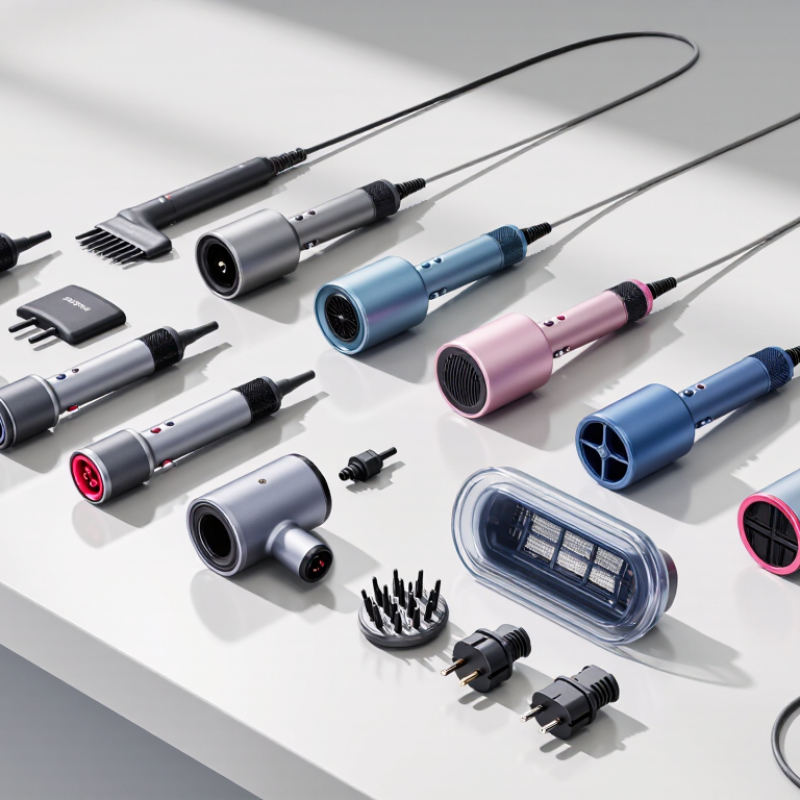
10 Best Hair Dryers for Global Wholesale Buyers in 2026

Hair Dryer Types and Technologies Available to Wholesale Buyers in 2026

Hair dryer ranges for wholesale buyers in 2026 span compact travel models, everyday dryers, and salon-style units with stronger airflow. AC motors are often chosen for frequent use, while DC motors can make lighter, quieter-feeling products. Brushless motor designs may offer precise speed control, but performance and service life depend on the complete design. Ionic, ceramic, and infrared features are also common. They may support smoother styling or more even heat, but results vary with hair type and technique. A higher wattage is not automatically better.

Tips: Compare airflow, heat settings, cord length, weight, and noise using working samples, not just specification sheets. Check voltage and frequency options for each destination, and confirm that plugs and required product documentation match the market. Ask about replacement filters and repair parts. Small details matter.

For buyers selecting several models, match the dryer to the intended user and price point. A lightweight unit may suit hotel rooms or travel kits; a sturdier motor may be preferable for repeated salon use. Test how quickly the dryer reaches operating temperature and whether its controls are easy to adjust with one hand. The feature list can look impressive, yet add weight or complexity without clear value. That deserves a second look. Compare warranty terms, packaging protection, and sample consistency before placing a large order.

Key Factors for Evaluating Hair Dryers for Global Wholesale

Global wholesale buyers should evaluate hair dryers as working appliances, not just compare wattage and appearance. Confirm rated voltage, frequency, and plug options for each destination market. Request current safety documentation and clear labeling details before placing an order. Then assess airflow, heat settings, and thermal protection. A dryer should dry efficiently without making fine hair feel scorched or leaving thick hair damp. Small details matter. Check cord length, handle balance, button placement, and filter access; these affect daily use and cleaning.

Supply reliability deserves equal attention. Ask about minimum order quantities, production lead times, carton strength, spare parts, and the written warranty process. Test several samples, if possible, rather than relying on one unit. Run them through repeated drying cycles and note noise, heat consistency, and whether the filter collects lint easily. A polished sample may not represent every production batch, so request the supplier’s quality-control checks. There is a trade-off: extra settings can improve flexibility, but may also increase cost and repair complexity. A spreadsheet helps compare offers, though it rarely captures how comfortable a dryer feels after ten minutes.

10 Best Hair Dryers for Global Wholesale Buyers in 2026

For global wholesale buyers in 2026, the best hair dryers are not one-size-fits-all. Useful options include compact travel dryers, foldable dryers, dual-voltage models, ionic dryers, ceramic dryers, tourmaline dryers, AC-motor salon dryers, brushless dryers, diffuser-ready dryers, and low-noise dryers. Each suits a different shelf, salon, or customer budget. That matters.

Compare practical details before placing a bulk order. Check wattage, plug type, voltage range, cord length, weight, heat settings, and included attachments. A diffuser may appeal to customers with textured hair, while a compact handle can save space in travel retail. Ask for verified test reports and sample units, then run them at different heat settings. Feel the handle after several minutes. Listen for rattling. Small flaws become expensive when repeated across a large shipment.

Avoid judging a dryer by a feature list alone. Ionic technology may be a selling point, but buyers should also check airflow consistency and build quality. Dual-voltage models sound convenient, yet compatibility must be confirmed for each destination and intended use. I would not call any single model best for every market; that claim is too neat. Some specifications look impressive on paper and disappoint in daily use. A clear warranty, stable replacement-part supply, and honest performance data can matter more than a glossy finish.

10 Best Hair Dryers for Global Wholesale Buyers in 2026

This comparison covers ten common hair-dryer configurations for wholesale sourcing, rather than specific branded models. Power and voltage figures are typical specification ranges, not guarantees; confirm the exact product rating, plug, test reports, and destination-market requirements with the supplier.

Configuration Typical motor Typical rated power Voltage options Common features Best suited to Wholesale checks
1. Professional AC-motor dryer AC motor About 1,800–2,400 W Usually a market-specific 110–120 V or 220–240 V version Multiple heat and speed settings; often supplied with a concentrator nozzle Salons and professional-use distributors seeking a familiar, durable format Confirm rated voltage, frequency, cord specification, plug type, and motor-life test method
2. Lightweight DC-motor dryer DC motor About 1,600–2,000 W Commonly offered in separate 110–120 V and 220–240 V versions Generally lighter than many salon-style AC units; basic heat and speed controls Mass-market retail, hotel amenities, and buyers prioritizing a lower unit weight Request product weight, noise data, packaging dimensions, and an agreed performance sample
3. High-speed brushless dryer High-speed brushless motor Often about 1,000–1,600 W, depending on design Check whether the offered version is 110–120 V or 220–240 V Compact motor layout; may include airflow and temperature control features Premium retail and buyers targeting compact, modern styling appliances Verify input power, measured airflow, temperature-control behavior, and noise claims independently
4. Ionic-feature dryer AC or DC motor, depending on model Commonly about 1,600–2,200 W Typically market-specific voltage versions Includes an ion-generating feature; may have several heat and speed settings Beauty retailers whose customers seek dryers with ionic-care features Ask how the ion feature is tested and avoid unsupported claims about guaranteed hair results
5. Ceramic-heater dryer Usually AC or DC motor Commonly about 1,600–2,200 W Usually supplied in separate voltage versions for different regions Ceramic heating element; multiple temperature settings are common General-purpose retail ranges and buyers seeking a widely recognized heater type Confirm heater material, temperature settings, overheat protection, and rated operating conditions
6. Diffuser-ready curly-hair dryer AC or DC motor Commonly about 1,600–2,200 W Market-specific 110–120 V or 220–240 V options are typical Often bundled with a diffuser; low-speed settings can support gentler styling Curly-hair product ranges, beauty specialists, and accessory-led retail offers Check diffuser fit, material, attachment retention, and whether the accessory is included in the quoted price
7. Compact folding travel dryer Usually DC motor Often about 1,000–1,600 W Some models are single-voltage; dual-voltage models must state their supported input range clearly Folding handle; compact body; often includes a concentrator Travel retailers, luggage assortments, and space-conscious hospitality buyers Check folded dimensions, plug compatibility, and whether voltage selection is automatic or manual
8. Dual-voltage travel dryer Usually DC motor Often about 1,000–1,600 W, with output potentially varying by input voltage May support 100–120 V and 220–240 V; verify the exact range on the rating label Travel-oriented size; voltage selector or automatic voltage adaptation, depending on design International travel retail and buyers serving customers across multiple voltage regions Confirm switching instructions, operation at each voltage, and that the plug still suits the destination
9. Quiet-operation salon dryer AC or brushless motor, depending on design Commonly about 1,600–2,200 W Normally offered in voltage versions suited to the intended sales market Designed with noise reduction in mind; may include multiple speed settings Salons, shared-use environments, and retailers emphasizing operating comfort Request noise measurements in dB(A), including the test distance, operating mode, and test conditions
10. Universal diffuser-and-nozzle set dryer AC or DC motor Commonly about 1,600–2,200 W Usually a region-specific 110–120 V or 220–240 V version May include a concentrator and diffuser; attachment bundle varies by supplier Wholesale bundles, online retail listings, and buyers seeking a broader out-of-box accessory set Specify the exact accessory count, attachment dimensions, carton contents, and replacement-part availability

Before placing an order, confirm the applicable electrical-safety and conformity requirements for each destination market (for example, CE, UKCA, or UL/ETL requirements where applicable). Certifications and marks are market- and product-specific; request current documentation for the exact model and configuration being purchased.

Safety Standards, Certifications, and Market Requirements

For global wholesale buyers, a hair dryer is not compliant just because it powers on. Electrical safety starts with the correct standards for the destination market, often IEC 60335-1 alongside IEC 60335-2-23. Confirm the applicable edition and national deviations with an accredited laboratory or local compliance specialist. Details matter. Insulation, thermal cut-outs, abnormal-operation tests, and cord strain relief can affect whether a shipment passes.

Certificates are market-specific. EU-bound products may need CE conformity documentation and applicable evidence for electromagnetic compatibility and restricted substances. North American buyers commonly request recognized safety certification. CE is not a test report. Ask for the declaration, full laboratory reports, model numbers, and factory details, then match them to the units ordered. A similar-looking model may differ internally. Check that the plug, voltage, frequency, and markings fit the selling country.

Labels and manuals need practical review. Verify local-language instructions, rated input, importer details where required, and clear warnings against blocked air inlets. Test sample units at rated voltage; inspect the plug and cord, and confirm that overheat protection works as intended. Keep batch records. Requirements change, and paperwork can lag behind a redesign. That gap is easy to miss.

Hair Dryer Mains Voltage by Major Wholesale Market

Nominal mains voltage differs by market: Japan uses 100 V, the United States and Canada use 120 V, and the EU, UK, Australia, and New Zealand use 230 V. Buyers should confirm each dryer’s rated input, plug type, and applicable local safety and conformity requirements before importing; a plug adapter does not convert voltage.

How to Compare Suppliers, Pricing, and After-Sales Support

For global wholesale buyers, supplier comparison should start with a clear product specification, not a low headline price. Check rated voltage, plug type, wattage, airflow settings, cord length, and included attachments. Test samples at different heat settings; note drying time, noise, and whether the handle feels balanced after several minutes. Ask for quality-control records and product test reports, then confirm that bulk production will match the approved sample. A polished sample can still hide variation between production batches. That is worth checking twice.

Compare written quotes on the same terms. Include minimum order quantity, packaging, spare parts, shipping assumptions, payment schedule, and lead time. Not every low quote is a bargain. A missing attachment or unclear freight estimate can change the landed cost quickly. After-sales support deserves equal attention: request warranty conditions, claim response times, and a process for ordering replacement parts. Ask who handles issues after delivery, and keep the answer in writing. It is tempting to assume support will be easy; distance and time zones can make simple fixes slower than expected. A small pilot order can reveal gaps before a larger commitment.

All search results