Best Heat Shrink Wrap Bags for Global Buyers?
In today’s global market, the packaging industry is evolving rapidly. Among various options, Heat Shrink Wrap Bags stand out due to their versatility and effectiveness. These bags are ideal for securing products, providing both protection and tamper evidence. They are often used in retail, food packaging, and industrial applications.
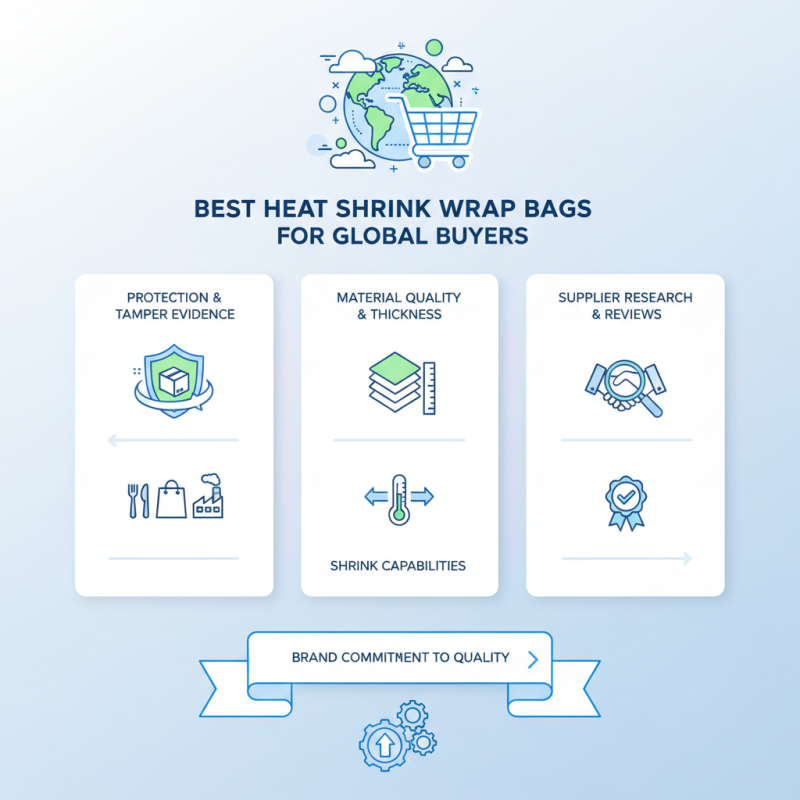
However, not all Heat Shrink Wrap Bags are created equal. Buyers must consider material quality, thickness, and shrink capabilities before making a purchase. Subpar products can compromise package integrity and lead to customer dissatisfaction. Researching suppliers and understanding their production processes is crucial.
As a buyer, it's essential to navigate the vast selection available. Look for manufacturers with proven experience and positive reviews. This ensures you choose reliable Heat Shrink Wrap Bags tailored to your specific needs. Remember, your choice reflects your brand's commitment to quality and customer satisfaction.
Understanding Heat Shrink Wrap Bags and Their Applications
Heat shrink wrap bags are essential tools in packaging and shipping industries. They offer reliable protection for various products, from electronics to food items. These bags are made from plastic film that shrinks when heated, creating a snug fit around the item. This enhances durability and security during transit. Understanding the applications of heat shrink wrap bags is crucial for global buyers looking to optimize their packaging solutions.
Efficient use of heat shrink wrap bags can enhance product presentation. They provide a clear view of the product while ensuring it remains safe. Additionally, they are cost-effective and environmentally friendly alternatives, as many are recyclable. Buyers should consider the thickness of the film when choosing bags, as it affects strength and insulation properties. A thicker bag may offer better protection but could be less flexible.
Tips for choosing the right heat shrink wrap bags include assessing the size and shape of your products. Ensure the bag dimensions accommodate your items snugly. Evaluate the sealing method too; a strong seal is necessary to prevent tampering. Remember that while heat shrink wrap bags are beneficial, they may not suit all applications. Always analyze your specific needs for the best results.
Key Features to Consider When Choosing Heat Shrink Wrap Bags
When selecting heat shrink wrap bags, several key features should be considered. The thickness of the material plays a crucial role in durability. Thicker bags can withstand more stress during handling and shipping, reducing the risk of tears. Opt for bags that provide sufficient strength without compromising flexibility. Choosing the right type of plastic is also essential. Certain plastics offer better clarity, while others can provide enhanced protection against moisture.
The size of the bags is another important factor. Measuring the items you wish to package is critical for achieving a snug fit. A proper fit prevents movement inside the bag, which helps maintain the integrity of the products. Look for bags that are versatile in size options, accommodating various items. Then, consider the shrink temperature. Some bags require higher heat to shrink properly, which may not be compatible with every heat gun or shrink-wrap system.
Understanding your needs can be tricky. Some users find they often choose bags that don’t meet their expectations. Researching material types and their specific uses is vital. Take the time to understand what each feature brings. This process requires patience and attention. Overall, the combination of material thickness, size, and heat requirements ensures successful packaging, but the selection can feel overwhelming at times.
Top Brands and Products for Global Buyers of Heat Shrink Wrap Bags
When considering heat shrink wrap bags, global buyers face various options. The heat shrink packaging market was valued at approximately USD 9.8 billion in 2022. It is expected to grow significantly in the coming years, driven by the demand for effective packaging solutions. High-quality materials and durability are essential for ensuring product safety during transit.
Buyers should look into manufacturers that prioritize quality control. Reports indicate that the right thickness and shrink ratio can improve packaging efficiency. A shrink wrap bag’s ability to conform closely to the product shapes is vital in protecting against moisture and environmental damage. Some bags can achieve a shrink ratio of 50%, which enhances packing efficiency.
It's essential to evaluate user experiences and feedback from diverse markets. Some buyers report unsatisfactory performance, such as improper sealing or limited temperature resistance. Not every product will perform as expected across different environments. Therefore, conducting thorough research and seeking credible reviews is prudent in selecting the right heat shrink wrap bags for specific needs.
Comparative Analysis of Heat Shrink Wrap Bag Materials and Thickness
When selecting heat shrink wrap bags, understanding materials and thickness is crucial. Different materials, such as PVC and Polyolefin, offer various benefits. PVC is affordable and effective for general use, but it may not be as resilient under certain conditions. Polyolefin, on the other hand, provides better clarity and strength, making it suitable for high-end packaging.
Thickness plays a significant role in performance. Thicker bags offer increased puncture resistance. However, thicker isn’t always better. If the bag is too thick, it may not shrink properly or create an uneven finish. A commonly used thickness for versatile applications is 75 to 100 microns. This range ensures durability while maintaining flexibility.
**Tips**: Consider the environment where the bags will be used. For items exposed to moisture, opt for materials with higher resistance. Always test a few samples before finalizing the selection. This can save time and resources. Lastly, don't ignore the potential for defects in manufacturing. Inspect bags closely before use to ensure quality.
Best Heat Shrink Wrap Bags for Global Buyers | Material Type | Thickness (microns) | Shrink Ratio | Common Uses | Temperature Resistance (°C) |
| PVC | 50 - 100 | 2:1 | Electronics, gifts | -40 to 70 |
| Polyolefin | 25 - 75 | 3:1 | Food packaging, cosmetic products | -30 to 90 |
| PE (Polyethylene) | 70 - 150 | Shrink only on one side | Consumer products, bundles | -20 to 60 |
| Kraft Paper | 80 - 150 | 2:1 | Books, stationery | -10 to 50 |
| Mylar | 100 - 250 | 4:1 | Medical supplies, retail items | -50 to 100 |
Tips for Proper Use and Storage of Heat Shrink Wrap Bags
When using heat shrink wrap bags, proper technique is crucial. Start by choosing the right size for your items. Ensure that your items fit snugly inside the bag. Overfilling can cause issues when shrinking. It can lead to uneven compression and inadequate sealing.
Heating is the next step. Utilize a heat gun for the best results. Maintain a consistent distance to avoid burning the material. Move the heat source in a circular motion. This helps ensure an even shrink. Monitor closely for any overheating signs. If you notice any melting, retract the heat source immediately.
Storage of heat shrink bags also requires attention. Keep them in a cool, dry place. Excess moisture can compromise their integrity. Check regularly for any signs of wear or damage. Storing them flat can help prevent creasing. A little reflection on your storage habits will go a long way. Taking these steps will enhance safety and efficiency when using heat shrink wrap bags.
