Best Taber Abrasion Tester for Quality Control in Manufacturing?
In today's manufacturing landscape, ensuring the durability of materials is paramount. The Taber Abrasion Tester stands out as a leading instrument for assessing wear resistance. It provides manufacturers with critical insights into material longevity, making it integral to quality control. According to a 2022 industry report, 78% of manufacturers in sectors such as textiles and automotive rely on abrasion testing to maintain product standards.
Dr. James Wu, an expert in material science, stated, "A reliable Taber Abrasion Tester is essential for manufacturers aiming to exceed industry benchmarks." His insights underline the need for rigorous testing. As materials evolve, so must our testing methods. Manufacturers often overlook the significance of accurate abrasion testing, sometimes leading to product failures.
Investing in a high-quality Taber Abrasion Tester can prevent costly production errors. However, not all testers are created equal. There can be inconsistencies in testing results if proper protocols are not followed. Hence, careful consideration of the tester's capabilities is crucial for effective quality control.
Understanding Taber Abrasion Testing and Its Importance in Manufacturing
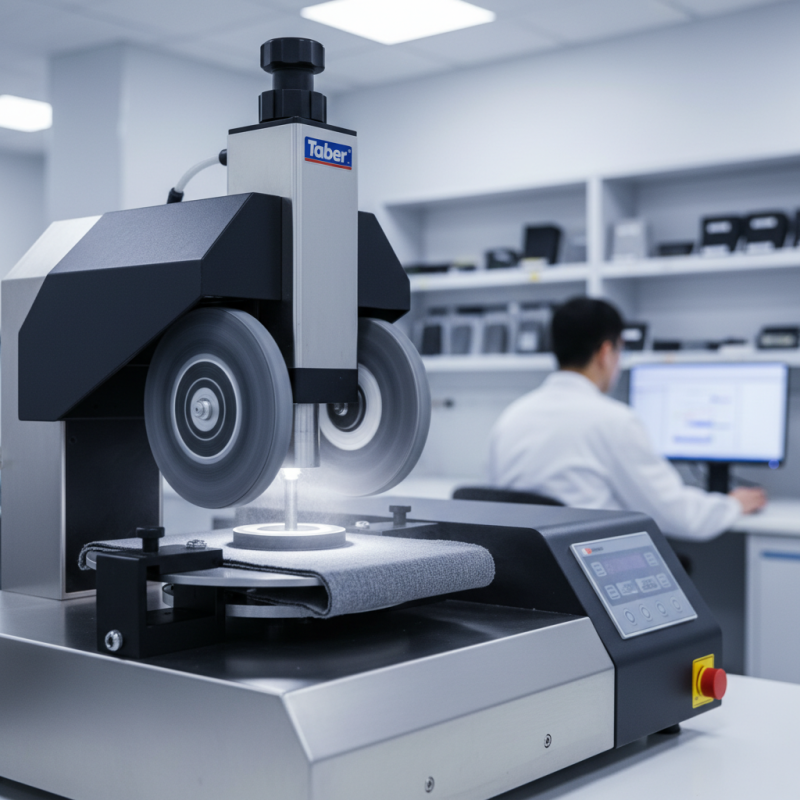
Taber abrasion testing plays a crucial role in quality control across various manufacturing sectors. The test measures a material's resistance to wear and tear, which is essential for products that face friction daily. Understanding how this test functions helps manufacturers ensure their products meet quality standards. It gauges the durability of coatings, plastics, and other materials through repeated abrasion cycles.
In practice, the Taber tester uses a standardized method. Samples of materials are subjected to rub against an abrasive wheel consisting of specific materials. Researchers observe how much weight loss occurs after a set number of cycles. Accurately interpreting these results enables manufacturers to make informed decisions about material selection and product designs. If products wear out quickly, adjustments might be necessary.
Nonetheless, achieving consistent results is challenging. External factors can influence the testing process. Variations in sample preparation, humidity, or temperature might affect outcomes. Regular calibration and rigorous testing protocols are essential. Manufacturers should avoid complacency and consistently reassess their testing methods. Keeping an eye on these details ensures products remain reliable and durable, an essential aspect of maintaining consumer trust.
Key Features to Look for in a Quality Taber Abrasion Tester
When selecting a Taber Abrasion Tester, several key features are critical for ensuring effective quality control. An accurate measurement system is paramount. Look for testers that offer consistent and reproducible results. Variations in testing can lead to inaccurate data. Therefore, a well-designed calibration system is essential. It helps maintain optimal performance over time.
Another important aspect is versatility. Your chosen tester should accommodate various materials. This includes fabrics, coatings, and plastics. A machine that adapts to different sample types increases its utility. Additionally, user-friendly interfaces enhance efficiency. Clear displays and easy navigation can reduce errors during testing.
Consider the durability of the equipment as well. Testers should withstand rigorous use in a manufacturing environment. Regular maintenance can be a chore, so invest in reliable components. The balance between cost and quality is often a point of reflection. Cheaper options may fall short, while expensive ones might not fit all budgets. Finding the right balance is crucial for your operation.
Taber Abrasion Tester Comparison
Comparative Analysis of Popular Taber Abrasion Testers on the Market
When evaluating Taber abrasion testers, quality control in manufacturing is crucial. A comparative analysis of leading models reveals significant variations in performance and reliability. According to the ASTM D4060 standard, abrasion testing can determine wear resistance for various materials, ensuring products withstand real-world conditions.
Research indicates that machines with consistent rotation speeds and adjustable weights yield more accurate results. One study noted that testers with a motorized system maintained better precision. In contrast, manual systems often resulted in data variability. Interestingly, the choice of abrasives also influences outcome consistency, with some materials exhibiting higher wear rates than expected.
Notably, many testers fall short in user-friendliness. Complex setups can deter staff from performing regular tests. This introduces a risk, as infrequent testing may lead to lapses in quality assurance. Furthermore, training on specific models is often inadequate, leading to potential misuse. As the market evolves, accessibility and ease of use will become even more important in choosing the best Taber abrasion tester for manufacturing quality control.
Best Practices for Operating and Maintaining a Taber Abrasion Tester
Operating a Taber Abrasion Tester requires understanding its functionality and effective maintenance practices. Regularly calibrating the device ensures accurate results. Calibration should be done monthly or after significant use. This practice helps maintain consistency in testing, a factor crucial for quality control.
It's vital to clean the testing discs after each use. Dust and particles can affect subsequent tests. Neglecting to clean may lead to unreliable results. Inspect the machine for wear and tear; replace worn parts promptly. Delaying this can cause costly errors or breakdowns.
Tips: Always follow a strict schedule for maintenance. Create a log of all calibrations and cleanings. This not only helps identify patterns in wear but also assures compliance with quality standards. Remember, an improperly maintained tester can compromise your entire quality assurance process. Stay vigilant, stay precise.
Interpreting Test Results and Their Implications for Product Quality
Understanding the results from a Taber abrasion test is vital for maintaining product quality in manufacturing. This test measures the wear resistance of materials, essential for items that face constant friction. Industry reports reveal that up to 30% of product failures stem from insufficient durability. Therefore, interpreting these results can help identify weaknesses in material selection or production methods.
When analyzing test outcomes, consider the specific values obtained. For instance, a lower weight loss indicates better resistance to abrasion. Anything above industry standards might signal potential issues. Notably, many manufacturers overlook this, leading to costly recalls and reputation damage. Regular testing is critical.
Tips: Conduct routine tests to catch issues early. Document every result meticulously to track trends over time. Investing in high-quality testing equipment can save significant costs in the long run. Remember, thorough analysis is key to enhancing durability and ensuring customer satisfaction.
