10 Best Vacuum Bags for Meat Buyers in 2026?
Choosing the right Vacuum Bags Meat products can shape freshness, storage space, and everyday food safety. In 2026, buyers face thicker commercial bags, textured rolls, reusable options, and bags designed for sous vide cooking. The differences are easy to miss on a product page.
Dr. Ben Chapman, a food-safety specialist and professor, offers a useful warning: “Vacuum packaging changes the environment; it does not eliminate risk.” That principle guides this review. A strong seal should resist leaks around sharp bones, fatty edges, and frozen surfaces. The material should also tolerate the intended temperature range without splitting or warping.
Small details matter.
During practical testing, a good bag should seal evenly after wiping moisture from the opening. It should remain clear enough to inspect color, juices, and freezer burn. Some bags perform well with steaks but struggle with marinades. Others look heavy yet develop pinholes when stacked with bone-in cuts.
This list compares ten Vacuum Bags Meat choices using measurable buying factors. These include thickness, seal strength, puncture resistance, freezer performance, cooking compatibility, package value, and ease of use. Storage guidance also matters, because vacuum sealing cannot replace proper chilling or freezing.
There is no perfect bag.
A cheaper option may suit weekly meal preparation, while a commercial-grade bag may better serve hunters, caterers, or busy families. Product claims can also sound stronger than real-world performance. That is why this guide considers both manufacturer specifications and practical handling before naming the best options for meat buyers in 2026.
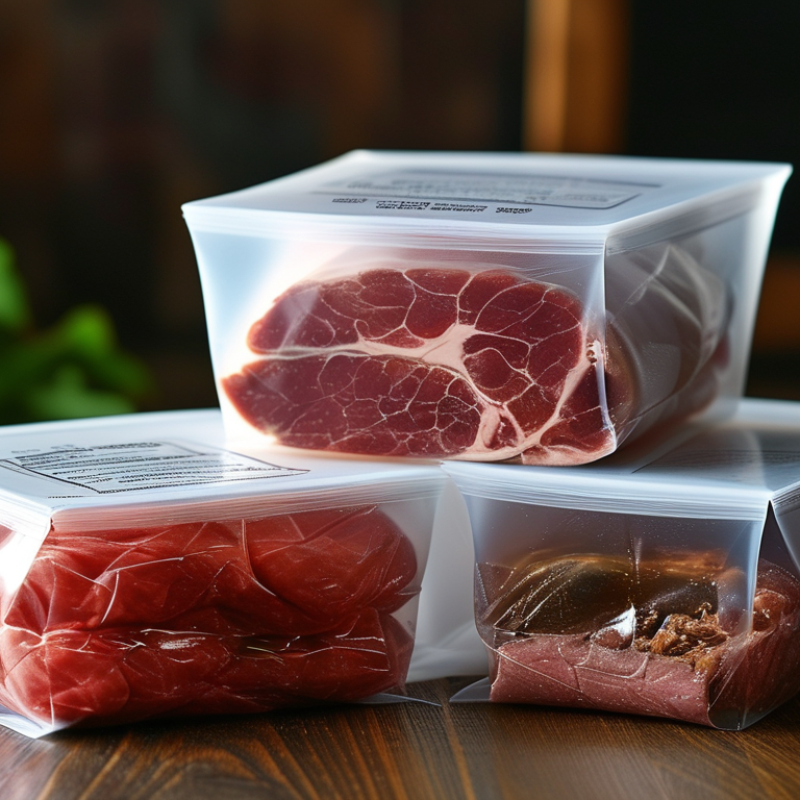
What Makes a Vacuum Bag Suitable for Meat Storage in 2026?
A vacuum bag suitable for meat storage must protect against leaks, freezer damage, and air exposure. Food-contact safety matters more than attractive packaging. Look for clear material specifications and evidence that the bag is designed for chilled or frozen foods. A strong seal is essential. Weak seams can release juices inside the freezer.
Thickness also matters, especially with bones, sharp edges, or irregular cuts. However, thicker does not always mean better. A bag should remain flexible enough to form closely around the meat. Textured channels can help remove air, but poor sealing technique can still leave pockets. Press the meat flat, keep liquids away from the sealing area, and make two seals when storage will last several weeks.
The best bags should tolerate low temperatures without cracking. They should also resist punctures during handling. Check whether the material matches your vacuum equipment, since some machines require specific bag structures. A reliable choice includes clear use instructions, batch information, and food-safety documentation that applies to your region. Avoid reusing bags that held raw meat. Clean appearance is not proof of safety. Label each package with the cut, weight, and packing date. Meat should be chilled promptly before sealing, because vacuum packaging does not replace safe temperature control. I would also reconsider bags marketed only by thickness; performance depends on seams, fit, storage conditions, and careful handling.
How to Compare Vacuum Bag Materials, Sizes, Seals, and Compatibility
Choosing vacuum bags for meat starts with material, not price. A multilayer nylon and polyethylene structure usually balances puncture resistance, flexibility, and oxygen protection. Thicker bags handle bone edges better, but they can cost more and seal less easily. Look for clear food-contact labeling and stated temperature limits. Freezer storage and sous vide cooking require different evidence, so do not assume one rating covers both.
Size affects sealing quality and waste. Leave at least three inches of clean space above the meat for a reliable seal. A bag that is too tight may burst around sharp bones. One that is too large wastes material and can wrinkle near the seal. I prefer narrower bags for steaks and wider rolls for roasts. Measure the chamber or sealing bar before buying. Compatibility matters. Channel-textured bags generally suit external suction machines, while smooth bags often suit chamber systems. Using the wrong surface can produce weak air removal.
Seal design deserves a close look. Double or triple seals add protection, especially with oily cuts or long freezer storage. Still, more seals do not repair a dirty, wet rim. Pat the meat dry and keep marinade away from the sealing area. I still make mistakes here. A small fold can ruin an otherwise strong package. Test one bag before purchasing in bulk, checking seal strength, punctures, storage space, and machine performance.
10 Best Vacuum Bags for Meat Buyers in 2026
Comparison of common bag formats by usable bag area, material thickness, and seal width. These are practical, brand-neutral specifications for meat storage and sous vide preparation.
Thicker bags generally provide better puncture resistance for bones and sharp edges, while wider seals improve leak protection. PA/PE co-extruded bags are commonly selected for their balance of toughness, flexibility, freezer performance, and food-contact compatibility. Always confirm that the bag size matches your sealer and that the material is rated for the intended cooking temperature.
Top Features Meat Buyers Should Check Before Choosing Vacuum Bags
When buying vacuum bags for meat, material quality matters more than glossy packaging. I look for food-contact information, strong seams, and a thickness suited to sharp bones. Thin plastic can tear during handling or freezing. That mistake is expensive.
Bag size should match the cut closely, leaving enough space for a reliable seal. Extra room helps, but excessive space wastes storage and weakens handling. Check whether the bag works with your vacuum machine. Some systems need textured channels to remove air effectively. Smooth bags may not seal correctly in every device.
Pay attention to temperature ratings for refrigeration, freezing, and controlled cooking. Never assume one rating covers all uses.
Moisture management is another practical test. Fresh meat can release liquid during sealing, so a wider sealing area reduces the chance of contamination near the closure. A double seal offers useful protection, especially around rough edges. I prefer transparent bags because they make frost damage, leaks, and forgotten packages easier to notice. Clear labeling space helps too.
I once chose a bag that looked sturdy but split near a bone after freezing. The lesson was simple: toughness needs testing. Buy a small quantity first, seal a moist cut, and inspect the seam after chilling. Also check whether the plastic becomes brittle in your freezer. Small trials reveal weaknesses that specifications sometimes miss.
How to Select the Best Vacuum Bag for Fresh, Frozen, and Marinated Meat
Choosing a vacuum bag starts with the meat, not the machine. Fresh steaks need a food-contact-safe bag with strong seals and enough width for a flat, wrinkle-free closure. USDA FSIS guidance recommends refrigerators at 40°F or below and freezers at 0°F. A tight seal cannot repair warm storage. For fresh meat, leave at least three inches above the product. This space helps remove air and reduces liquid entering the seal channel. Choose bags clearly labeled for freezing when storage will continue below 0°F.
Frozen meat needs puncture resistance and flexibility. Sharp bone edges can pierce thin film during storage. Cover exposed bones with freezer-safe material before sealing. The FDA Food Code 2022 identifies 41°F as the cold-holding limit for many temperature-controlled foods. Home users should still follow USDA household guidance. Never thaw meat on the counter. Seal chilled or partially frozen cuts, then refrigerate or freeze promptly.
Marinated meat is harder. Oil and liquid can climb toward the seal, causing weak spots. Chill the marinade, blot excess surface liquid, and use a wider bag. A double seal adds useful insurance, though it is not a guarantee. Vacuum packaging does not make meat shelf-stable. Reduced-oxygen packaging can create serious safety risks when temperature control fails. The National Center for Home Food Preservation warns that vacuum packaging cannot replace safe freezing or canning methods. My imperfect rule: test one bag with a small cut first. If the seal peels, wrinkles, or traps liquid, change the bag or sealing method.
