China Top Electrical Heating Continuous Pyrolysis Plant for Sale?
The evolution of waste management systems has led to significant advancements in technologies like the Electrical Heating Continuous Pyrolysis plant. This innovative approach transforms plastic and organic waste into valuable products such as oil and gas. According to recent data from the International Waste Management Association, effective pyrolysis systems can reduce waste by up to 90%, providing a sustainable solution to the growing waste crisis.
The Electrical Heating Continuous Pyrolysis plant utilizes electricity for consistent heat application, ensuring high efficiency. Reports indicate that these systems boast thermal efficiencies between 85% and 90%. However, concerns about energy consumption and emissions remain relevant. Efficient design and operation are necessary to mitigate potential drawbacks.
Investing in an Electrical Heating Continuous Pyrolysis plant may offer substantial economic benefits. Industry analysis suggests a growing market demand for environmentally-friendly waste processing solutions. Businesses can enhance their sustainability efforts while generating profits. Nevertheless, a thorough assessment of local regulations and operational challenges is crucial before implementation.
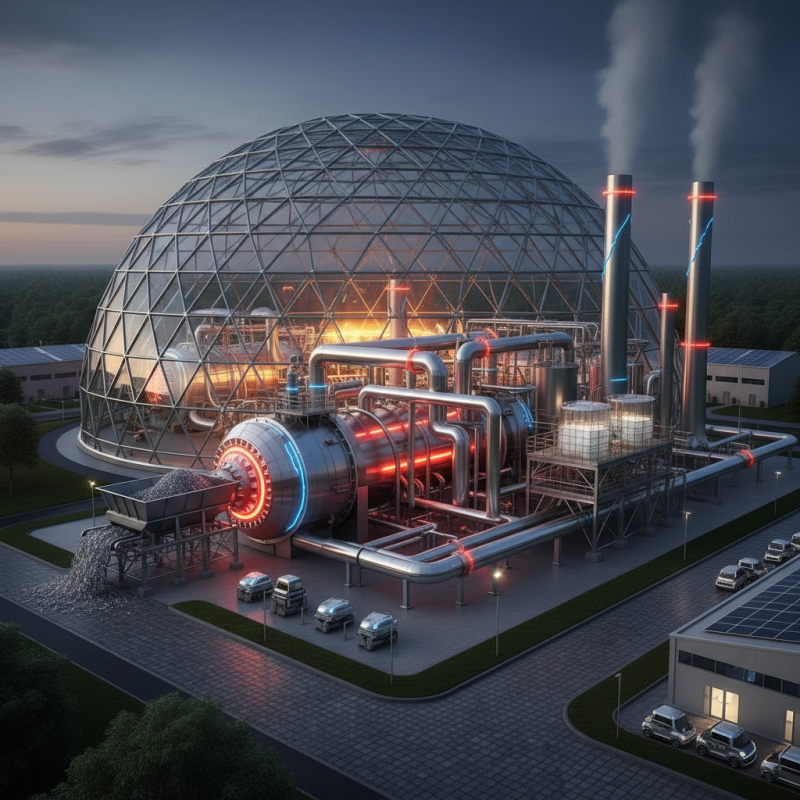
Overview of Continuous Pyrolysis Technology in China
Continuous pyrolysis technology in China is rapidly evolving. This method uses heat to decompose organic material in the absence of oxygen. As a result, valuable products such as bio-oil, gas, and char are generated. These byproducts can be used in various industrial applications, promoting sustainability and resource recovery.
The technology is gaining attention due to its efficiency. However, operational challenges exist. Optimal temperature control is crucial to maximize outputs. Additionally, selecting suitable feedstock can influence the pyrolysis process. Inconsistencies in materials may lead to varying quality in the produced products.
Investors are interested in continuous pyrolysis plants. They recognize the potential for profitability, but they also face technical hurdles. Understanding the intricate details of the process is essential. Continuous monitoring and adjustments are necessary to ensure smooth operation. Engagement with skilled professionals can enhance the reliability of these systems. Nonetheless, ongoing research is essential to address the limitations and improve outcomes.
Key Features of Top Electrical Heating Pyrolysis Plants
Electric heating pyrolysis plants are gaining traction due to their efficiency and eco-friendliness. A study by the International Renewable Energy Agency (IRENA) indicates that using electrical heating can enhance the pyrolysis process. This method improves energy conversion rates and reduces carbon emissions during operation.
One key feature of top electrical heating pyrolysis plants is their ability to maintain precise temperature control. Accurate temperature management is crucial for optimizing the breakdown of organic materials. Industries have noted that with improved temperature regulation, production rates can increase by up to 30%. This drives efficiency and enhances output quality.
Tips: Always consider the energy source. Renewable energy options can significantly lower operational costs. Additionally, invest in robust filtration systems. They improve emissions control and create a healthier operational environment.
Another important aspect is the scalability of these plants. Many systems are designed for modular growth. This flexibility allows businesses to expand as demand increases. Also, ongoing maintenance is essential. Neglecting regular checks can lead to inefficiencies and potential safety hazards.
Incorporating these features can offer significant advantages in waste management and resource recovery. While the initial investment may be substantial, the long-term benefits of reduced waste and increased energy efficiency can outweigh the costs.
Applications and Benefits of Pyrolysis in Waste Management
Pyrolysis is a transformative technology in waste management. It converts waste materials into energy-rich products. These include bio-oil, gas, and char. This process reduces landfill waste significantly. Moreover, it minimizes greenhouse gas emissions. As municipalities face growing waste challenges, pyrolysis stands out as a viable solution.
Applications of pyrolysis are diverse. It can process tires, plastics, and organic waste. Each type of waste yields different products. For instance, plastic pyrolysis often generates more oil. This oil can replace fossil fuels in various industries. Meanwhile, organic waste processing helps in producing biochar, enriching soil health. However, the technology is not without challenges. Effective operational control is crucial for efficiency. Without proper monitoring, the process can yield inconsistent results.
The benefits of implementing pyrolysis extend beyond waste reduction. It promotes sustainability through resource recovery. Communities can turn waste into revenue streams. As industries adopt this technology, they contribute to a circular economy. Yet, further research and investment are needed. Improvements in efficiency and scalability will enhance its impact in waste management.
Applications and Benefits of Pyrolysis in Waste Management
Factors to Consider When Purchasing Pyrolysis Equipment
When investing in pyrolysis equipment, several essential factors come into play. The efficiency of the machine is crucial. According to a report from Grand View Research, the global pyrolysis equipment market is expected to grow significantly, underscoring the importance of selecting high-quality models that maximize output while minimizing energy consumption.
Another key consideration is the technology used in the equipment. Advanced features like automation can enhance operational efficiency. A report by Research And Markets notes that innovative designs improve throughput and reduce operational costs. These enhancements may lead to better productivity but could also require higher initial investments.
The reliability and after-sales support of the manufacturer should not be overlooked. Equipment downtime can result in substantial losses. A survey indicated that approximately 30% of businesses experience efficiency drops due to equipment issues. Thus, researching manufacturers’ reputations is vital for ensuring longevity and productivity. Also, reflect on your operational needs to align with the capabilities of the selected pyrolysis plant. Consider whether the machinery meets your specific waste management goals before making a purchase.
Market Trends and Future Prospects for Pyrolysis Plants in China
The market for pyrolysis plants in China is experiencing significant growth. According to a report from ResearchAndMarkets, the Chinese pyrolysis plant market is expected to reach a value of USD 1.2 billion by 2025. This rise is driven by increasing waste management needs and government support for sustainable practices.
China is promoting circular economy initiatives. This means converting waste into energy and valuable materials. The demand for electrical heating continuous pyrolysis plants is on the rise. Many industries are seeking to reduce their carbon footprint. A recent study highlighted that nearly 50% of industrial players are considering pyrolysis technology for waste treatment.
Tips: Consider the scalability of pyrolysis plants before investing. Smaller operations might face limitations in efficiency. Additionally, stay updated on regulatory changes. Policies can influence market entry and operations.
As the market evolves, challenges remain. Not all pyrolysis plants operate at optimal efficiency. Some facilities struggle with technology adaptation. It's vital to conduct thorough research and analytics. Investing in reliable technology and practices can pave the way for success in this growing sector.
China Top Electrical Heating Continuous Pyrolysis Plant for Sale - Market Trends and Future Prospects
| Year | Market Size (USD Million) | Growth Rate (%) | Key Applications | Challenges |
| 2021 | 150 | 5.0 | Plastic Waste, Tire Recycling | High Initial Investment |
| 2022 | 158 | 5.3 | Industrial Waste, Biomass | Regulatory Hurdles |
| 2023 | 167 | 5.7 | Energy Generation, Oil recovery | Public Awareness |
| 2024 | 177 | 6.0 | Chemical Feedstocks, Municipal Waste | Technology Adoption |
| 2025 | 188 | 6.4 | Synthetic Fuel, Carbon Black | Market Competition |
