How to Choose the Best Polisher Machine for Your Needs and Budget
Selecting the optimal polisher machine for your specific needs and budget can be a daunting task, given the multitude of options available on the market today. According to a recent report by the Global Polishing Equipment Market Analysis, the demand for polishing machines has surged by 15% over the past five years, driven by innovations in technology and an increasing focus on surface finishing quality across various industries. As businesses strive to enhance operational efficiency and product aesthetics, understanding the features and capabilities of different polisher machines becomes essential.
Expert Mark Thompson, a leading authority in surface preparation technologies, emphasizes the importance of making informed choices in his research, stating, "A well-chosen polisher machine not only optimizes production processes but also contributes to the longevity of the equipment and improved end-product quality." With numerous factors to consider, such as power output, pad type, and ease of use, a comprehensive evaluation can help you pinpoint the best polisher machine tailored to your operational objectives and financial constraints. This guide will assist you in navigating the complexities of selecting the right polisher machine, ensuring you make a decision that aligns with both your aspirations and your budget.
Understanding Different Types of Polisher Machines Available in the Market
When selecting a polisher machine, it's crucial to understand the various types available in the market, as this knowledge directly influences both effectiveness and suitability for your specific tasks. Generally, there are three main categories of polishers: rotary, dual-action (DA), and orbital polishers. Rotary polishers are known for their powerful and fast cutting abilities, making them ideal for professional use and situations where heavy correction is needed. However, they require a bit more experience to operate effectively without damaging the surface.
Dual-action polishers combine rotary and orbital motions, making them a versatile choice for both beginners and advanced users. They offer a balance of cutting power and ease of use, allowing for effective polishing without the risk of burning the paint. This type of polisher is often favored for detailing cars and other delicate surfaces, as it provides a safer polishing experience. Lastly, orbital polishers are designed for lighter tasks and are the best option for users seeking simplicity and a user-friendly experience. They are ideal for applying wax and sealants and can help maintain the shine on your vehicle without the complexities of more advanced machines.
Understanding these categories allows you to weigh your personal needs against your budget. Whether you prioritize heavy-duty performance or user-friendliness, recognizing the strengths and weaknesses of each type will help you make an informed decision that enhances your polishing projects.
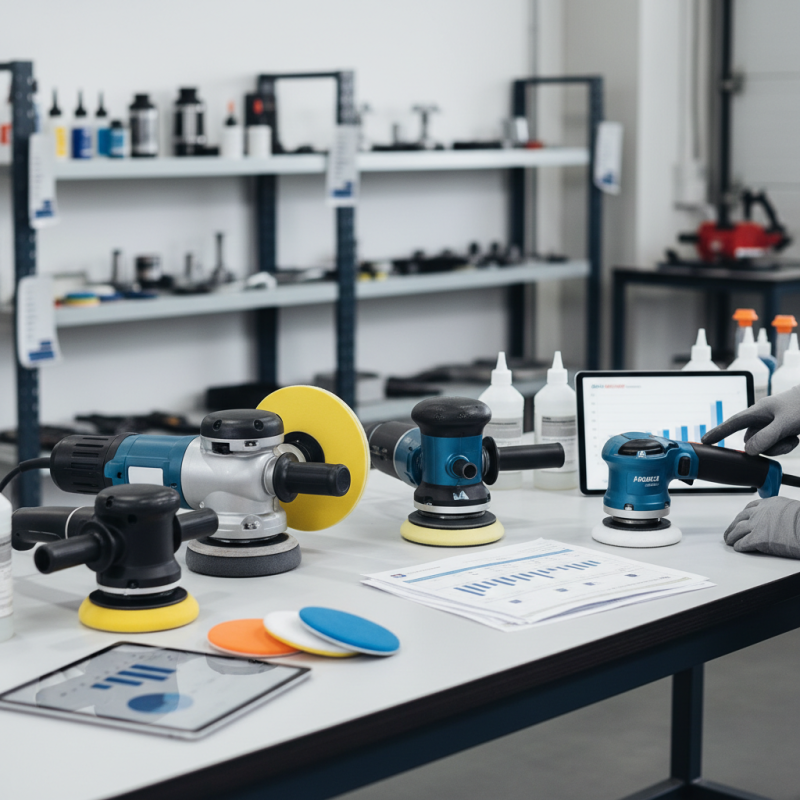
Polisher Machine Features Comparison
Key Features to Consider When Selecting a Polisher Machine
When selecting a polisher machine, key features should be at the forefront of your decision-making process. First, consider the type of polishing you plan to do—whether it’s for cars, floors, or other surfaces. Different polishers are designed for specific applications, so understanding your needs can help narrow down your options. Additionally, the power and speed settings are crucial; a machine with adjustable speeds can offer greater versatility, allowing you to tackle both light polishing tasks and more intensive buffing jobs effectively.
Another important aspect to look for is the weight and ergonomic design of the polisher. Lightweight models tend to be easier to maneuver, especially for extended periods, which can greatly reduce fatigue. Furthermore, features such as vibration control can enhance comfort during use. Finally, consider the ease of changing pads and the availability of compatible accessories. A polisher that offers a quick-change pad system will save you time and effort, making your polishing tasks more efficient. Overall, focusing on these features will help you choose a polisher that meets your specific needs and fits within your budget.
Evaluating Your Specific Needs and Budget Constraints
When selecting the best polisher machine for your needs, understanding your specific requirements and budget constraints is paramount. Start by evaluating the type of surfaces you usually work on. Different materials may require varying levels of power and speed; for example, polishing a car's paint may necessitate a different approach than refinishing wood furniture. Take into account how often you plan on using the machine, as frequent use may warrant investing in a higher-quality option that can withstand regular wear and tear.
Next, outline your budget carefully. Polisher machines come in a wide range of prices, and it’s essential to distinguish between what features are necessary for your projects and which are merely nice to have. Research the essential features like variable speed settings, pad compatibility, and weight, prioritizing these aspects based on your intended use. Keep in mind that a higher initial investment might yield better results and durability in the long run, but ensure it aligns with your financial plan. Taking the time to assess both your functional needs and budget allows you to make a well-informed decision, ultimately enhancing your polishing experience.
Comparing Top Brands and Models for Quality and Performance
When choosing the best polisher machine, understanding the various brands and models available is essential to ensure quality and performance that meets your specific needs. Each brand typically offers a range of products tailored to different skill levels and applications. For instance, some machines are designed for professional-grade tasks, while others are more suitable for casual home users. It’s crucial to compare features such as power, speed options, and pad compatibility. Look for customer reviews to gauge performance reliability and longevity.
Tips: Before making a purchase, assess the specific tasks you'll be using the polisher for. If you primarily need it for detailing vehicles, opt for a model with a variable speed setting for greater control. Additionally, consider portability; lighter machines can be easier to handle for extended periods.
Another important consideration is the warranty and customer service offered by the manufacturer. A robust warranty can provide peace of mind, especially if you're investing in a higher-end model. Also, verify if the brand provides adequate support resources, including user manuals and online tutorials, which can significantly enhance your experience.
Ultimately, choosing the right polisher machine is about balancing performance capabilities with your budget while ensuring the brand’s reputation for quality aligns with your expectations. By comparing different models carefully, you can find a machine that not only fits your financial plan but also meets your polishing needs effectively.
Maintenance Tips for Prolonging the Life of Your Polisher Machine
To ensure the longevity and optimal performance of your polisher machine, regular maintenance is essential. Start by cleaning the machine after each use. Dust and polish residue can accumulate on the pads and components, leading to reduced efficiency and potential damage. Use a soft brush or a microfiber cloth to remove debris, ensuring that the machine remains in top condition for your next project.
Additionally, monitor the wear and tear of the buffing pads. Over time, these pads can become frayed or clogged, which can affect the quality of your polishing. Replace worn pads promptly, and consider having a couple of extra pads on hand to switch out as needed. Furthermore, it's crucial to check and tighten any screws or connections to prevent any loose parts from impacting the machine's operation. Regularly lubricating moving parts as per the manufacturer's recommendations will also help maintain smooth functionality and extend the lifespan of your polisher machine.