Why Choose Electric Injection for Efficient Manufacturing Solutions?
Electric Injection technology is revolutionizing the manufacturing industry. This innovation offers precise control over material flow, enabling better product quality. According to a report by MarketsandMarkets, the electric injection molding market is projected to reach $2.8 billion by 2026. This growth reflects the increasing demand for efficiency in production processes.
Electric Injection reduces energy consumption by up to 40% compared to traditional hydraulic systems. This reduction not only lowers costs but also supports environmental sustainability. It allows manufacturers to meet strict carbon footprint regulations. However, transitioning to this technology can be challenging for some companies. They may face initial setup costs and a learning curve.
Despite these obstacles, the long-term benefits of Electric Injection are significant. It can increase production speed while maintaining high precision. Companies that adopt it now may gain a competitive edge. The potential for innovation and improvement in manufacturing is immense, making Electric Injection a viable solution for modern production needs.
Benefits of Electric Injection in Manufacturing Efficiency
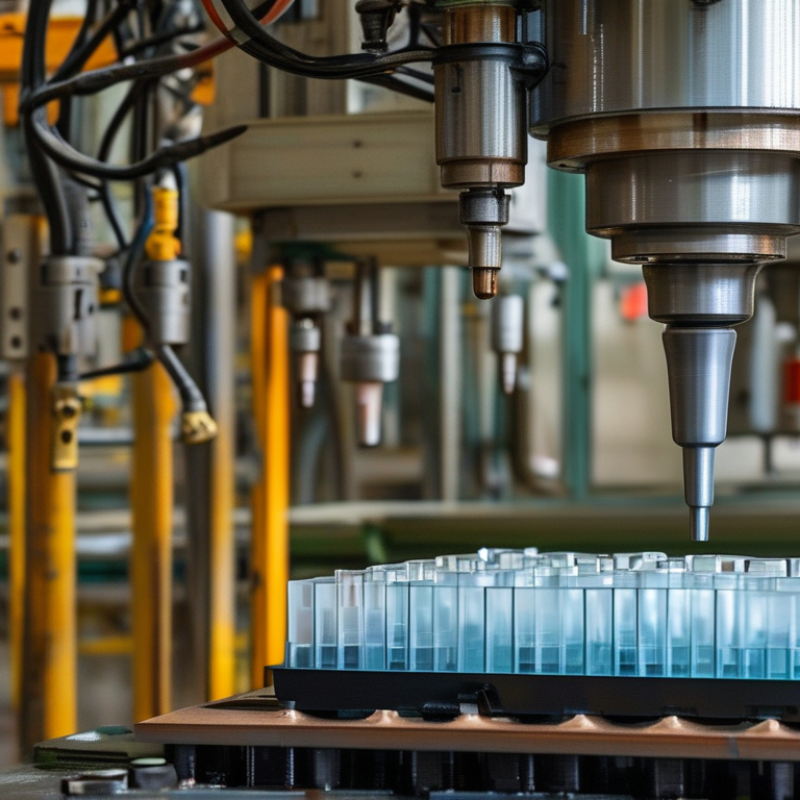
Electric injection technology is revolutionizing manufacturing efficiency. This method allows for precise control over the injection molding process. It ensures consistent product quality while reducing waste. Additionally, electric injection systems boast faster cycle times, increasing overall productivity in factories.
The benefits extend beyond speed. Electric systems require less maintenance compared to hydraulic alternatives. They operate with lower energy consumption, translating to cost savings. This technology minimizes noise pollution, creating a better working environment. However, the initial investment can be high. Companies must weigh long-term benefits against upfront costs. The learning curve for operators is another challenge.
In conclusion, while electric injection offers many advantages, it’s essential to analyze the specific needs of each manufacturing process. Balancing efficiency with cost-effectiveness is crucial for optimizing production. Exploring these factors ensures that electric injection can be a key player in advanced manufacturing strategies.
Comparison of Electric Injection and Traditional Manufacturing Methods
Electric injection molding revolutionizes production efficiency. Compared to traditional methods, it offers faster cycle times and better precision. Recent reports indicate that electric injection systems can achieve up to a 30% reduction in cycle time. This efficiency boost significantly enhances productivity, especially for industries with high-volume demands.
Energy consumption is another critical factor. Electric systems typically consume 30-50% less energy than hydraulic machines. This lower energy use decreases operational costs. However, the initial investment in electric injection technology may deter some manufacturers. It often requires a longer payback period.
Furthermore, not all materials are compatible with electric systems, which could limit some applications. Additionally, precision in electric injection leads to improved product quality. Consistent molding temperatures reduce defects and waste, a key concern in manufacturing. Some studies show that products made using electric injection have up to a 20% fewer defects.
However, teams must ensure their staff is trained for this technology. Without proper training, the potential benefits may not be fully realized.
Key Technologies Driving Electric Injection Innovations
Electric injection technology is transforming manufacturing. Its ability to enhance efficiency and reduce waste is remarkable. According to a recent study by the International Plastics Association, electric injection molding processes can reduce cycle times by up to 30%. This acceleration in production is pivotal for industries facing tight deadlines.
Several key technologies are fueling electric injection innovations. Precision control systems enable manufacturers to adjust parameters in real-time, leading to higher accuracy. Data from the Technical Institute for Manufacturing indicates that precision in injection processes can improve product quality by around 25%. This means fewer defects and lower rework rates, ultimately saving on costs.
Moreover, energy efficiency is a significant driver. Electric injection machines consume 30% less energy than their hydraulic counterparts. A report from the Energy Efficiency Council states that this reduction translates into lower operational costs. However, some manufacturers hesitate to switch to electric systems. Concerns remain about upfront investment and transition challenges. Balancing these factors is crucial for adopting electric injection technology effectively.
Environmental Impact of Electric Injection in Production
Electric injection molding not only boosts manufacturing efficiency but also minimizes environmental impact. Traditional methods often rely on fossil fuels. This leads to high emissions and energy waste. In contrast, electric injection uses significantly less power and emits fewer pollutants. This transition helps in reducing the carbon footprint of production processes.
Tips: Consider using recycled materials in electric injection molding. It can further decrease environmental damage. Additionally, optimizing machine settings can enhance energy efficiency. Regular maintenance ensures peak performance and longevity of the equipment.
Electric injection systems often have a higher upfront cost. However, the energy savings can offset these initial expenses. Sustainability should also be a core business value. This means making choices that consider long-term environmental effects, not just short-term savings. Innovation in electric injection technology continues to evolve, making it a worthwhile investment in the long run.
Cost-Benefit Analysis of Implementing Electric Injection Solutions
In recent years, the shift towards electric injection molding has gained traction in the manufacturing sector. A report from the International Plastics Association indicates that electric injection presses can save up to 30% in energy costs compared to traditional hydraulic systems. This dramatic reduction is largely due to the precise control of parameters, which minimizes waste and optimizes performance. Manufacturers are gradually recognizing this potential for efficiency.
However, the initial investment for electric injection molding technology is often higher. The average cost of electric injection machines can be 20-50% more than their hydraulic counterparts. Companies must evaluate this upfront cost against long-term savings. A study by the Society of Manufacturing Engineers found that electric systems typically offer a quicker return on investment due to reduced energy expenses and lower maintenance needs. Yet, some firms find it challenging to justify the initial expense without immediate financial benefits.
Another consideration is training. Transitioning to electric systems may require staff training and adaptation. Some employees may find the new machines complex. As an industry, there needs to be a balance between adopting innovative technology and ensuring workforce capability. The path towards full efficiency isn't always clear, and it requires careful planning and analysis from manufacturers.
