Why Choose a Pendulum Impact Tester for Quality Assurance?
In the realm of quality assurance, the Pendulum Impact Tester stands out as an essential tool. This apparatus is crucial for measuring the toughness of materials, particularly in industries like plastics and metals. Dr. Richard Arnold, a renowned expert in materials testing, once stated, "The Pendulum Impact Tester provides critical insights that drive product reliability."
Utilizing a Pendulum Impact Tester allows companies to assess their materials rigorously. By simulating real-life impact scenarios, businesses can identify weaknesses early in the production phase. This proactive approach enhances product safety and longevity.
However, some may overlook the significance of this device. It's easy to assume that existing standards are adequate. Yet, without proper testing, companies risk releasing inferior products. The Pendulum Impact Tester not only helps reveal flaws but also fosters continuous improvement. Investing in this technology can bridge gaps in quality assurance practices, ensuring products meet the highest standards.
Understanding the Pendulum Impact Tester and Its Functionality
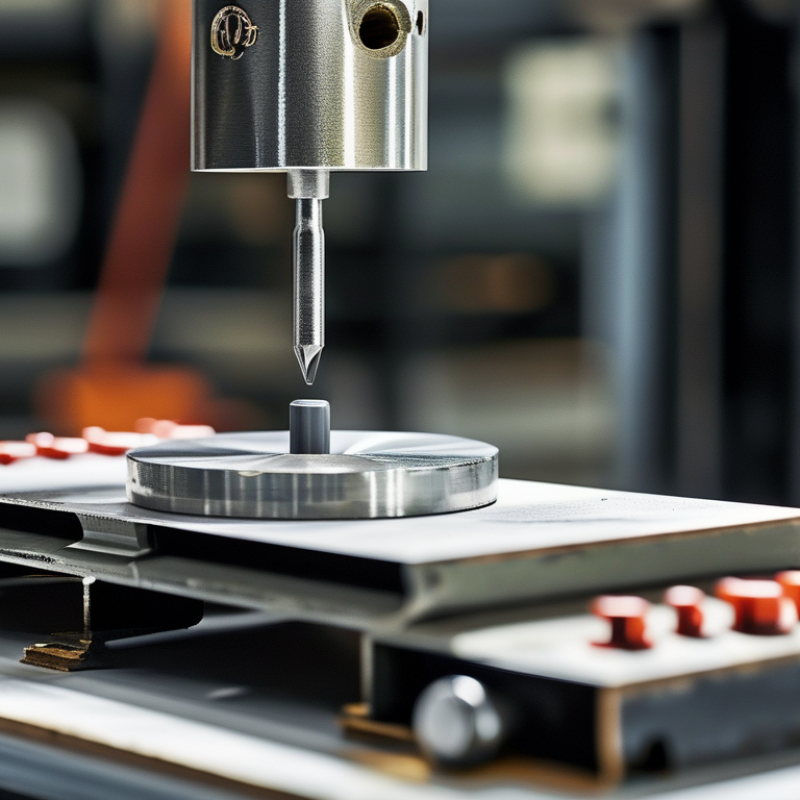
The Pendulum Impact Tester is an essential tool in quality assurance. It assesses the impact strength of materials. Knowing its functionality is crucial for manufacturers. This device measures how materials withstand sudden shocks. It provides valuable data that helps in material selection and testing.
When using a pendulum impact tester, it’s vital to calibrate correctly. Inaccurate calibration can lead to misleading results. Ensure the device is maintained regularly for optimal performance. Always compare your results with industry standards. This practice enhances reliability.
Tips: Familiarize yourself with the user manual. Understanding the specifications of your tester can prevent errors. Regular training for operators enhances consistency. It's okay to question your testing methods. Reflecting on your procedures can lead to improvements.
Key Benefits of Using Pendulum Impact Testers in Quality Assurance
Pendulum impact testers play an essential role in quality assurance across various industries. These devices evaluate the toughness and durability of materials under sudden impact, which is crucial for ensuring product reliability. A recent industry report states that nearly 75% of material failures during service are due to insufficient toughness. Using pendulum impact testers allows manufacturers to detect weaknesses early in the production process.
One of the key benefits of these testers is their simplicity. They require minimal setup and provide quick results. Most pendulum impact testers can measure impact energy within seconds. This speed can significantly reduce testing time in manufacturing workflows. Additionally, the testing method is standardized and reliable, fostering trust among stakeholders. The American Society for Testing and Materials endorses this testing method, assuring users of its credibility.
However, not all impact tests are created equal. Depending on the material type and application, results can vary. It's vital to interpret the data correctly. Some users may misjudge a product’s performance based solely on test results. This highlights the importance of combining test data with practical application knowledge. Understanding the limits of pendulum impact testing ensures more accurate assessments of material performance.
Benefits of Using Pendulum Impact Testers in Quality Assurance
Comparative Analysis: Pendulum Impact Tester vs. Other Testing Methods
Pendulum impact testers offer unique advantages that set them apart from other testing methods. When evaluating the impact resistance of materials, these instruments provide precise measurements of energy absorption. According to a recent industry report, pendulum testers are preferred by 70% of manufacturers for their ability to simulate real-world conditions effectively. This testing method uses a swinging pendulum to deliver a specified energy impact, making it an essential tool in quality assurance protocols.
In contrast, other testing methods like drop weight impact tests often lack the same level of sensitivity and accuracy. For instance, while drop weight tests can measure larger impacts, they might not replicate the rapid impact dynamics that occur in practical scenarios. Studies indicate that over 60% of engineers report discrepancies when correlating drop weight test results with actual field performance. Moreover, pendulum testers can be adjusted for various weights and heights, allowing for versatile testing conditions. This adaptability is crucial for industries where material performance is critical for safety and durability.
However, it is essential to acknowledge that pendulum impact testing is not without limitations. Calibration can be complex. Proper maintenance is required to ensure accuracy. Additionally, the cost of high-quality pendulum testers might deter smaller companies. Balancing the benefits of precise measurements with these challenges is important for manufacturers committed to quality assurance.
Applications of Pendulum Impact Testing in Various Industries
Pendulum impact testing is a crucial method in various industries for quality assurance. It assesses how materials can withstand sudden impacts. This testing method is particularly valuable in sectors like automotive, aerospace, and construction. In automotive manufacturing, for example, materials used in bumpers and frames must endure high impact forces. Pendulum testers help simulate these forces, ensuring components can resist damage and maintain safety.
In the aerospace industry, the stakes are even higher. Materials must endure extreme conditions. Using pendulum impact testers aids in evaluating how well components handle sudden stress, which is critical for passenger safety. Similarly, in construction, materials like concrete and steel require rigorous testing to ensure they meet stringent safety standards. Pendulum testing provides real-time data on impact resistance, playing a vital role in material selection.
However, not all testing methods are foolproof. One drawback is that pendulum impact tests often focus on a single type of impact scenario. This may not fully represent real-world conditions. Such limitations prompt engineers to seek additional testing methods for comprehensive material evaluation. Addressing these shortcomings can further enhance the reliability of impact testing in quality assurance processes across industries.
Best Practices for Implementing Pendulum Impact Testers in Quality Control
Implementing pendulum impact testers in quality control ensures robust assessment of material durability. These devices are essential in industries like construction and manufacturing, where material failure can lead to significant losses. According to a report by the International Organization for Standards, materials that undergo rigorous testing show a 30% increase in lifespan. This reinforces the value of consistent testing.
When adopting pendulum impact testers, it's vital to develop a standardized testing protocol. This process should outline specific conditions such as temperature and humidity for accurate results. A study by ASTM International reveals that 25% of material failures are attributed to inconsistent testing environments. Technicians need training on these testers to minimize human error. Regular calibration of equipment also plays a critical role, with a 15% margin of error in results noted in poorly maintained devices.
Despite the advantages, challenges persist in integrating these testers effectively. Companies sometimes overlook data analysis following tests. A lack of systematic reviews can lead to repeated mistakes in production. Investing in data analytics can mitigate this risk and enhance product reliability. Quality assurance should adapt to new findings, adjusting protocols as necessary. Each improvement contributes to overall product excellence.
