2026 How to Choose the Right Mobile Gantry Crane for Your Needs?
Choosing the right mobile gantry crane for your specific needs is crucial for efficiency and safety. A mobile gantry crane can enhance your operations, helping you lift heavy loads with ease. However, not all cranes are created equal. Understanding the various features and capabilities of these cranes is essential before making a decision.
Consider the weight capacity you require. Different models support varying loads. Evaluating your workspace is also important. Will the crane fit easily within your area? The height and width of the crane must match your requirements. Make sure to factor in the crane's mobility features as well. Some are designed for smooth movement across surfaces, while others may struggle.
Even with research, selecting a mobile gantry crane may feel daunting. Take time to reflect on your specific applications. Ask for feedback from others who own equipment. Inexperience can lead to mistakes, so it’s wise to consult with experts. Clarity on your goals will set you up for success. A well-chosen mobile gantry crane can make a significant difference in your operations.
Understanding Mobile Gantry Cranes: Key Features and Benefits
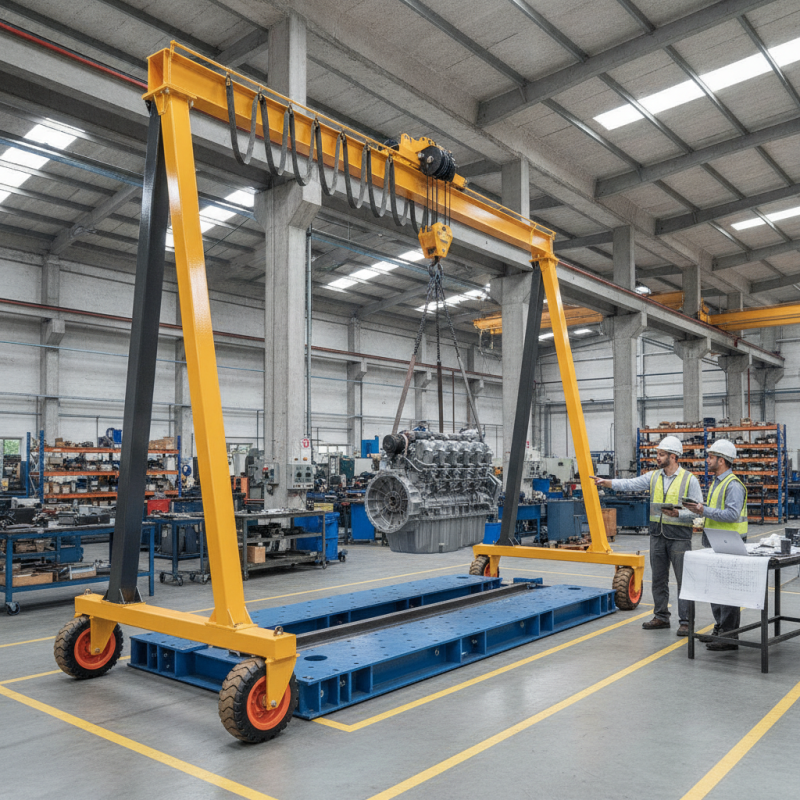
Mobile gantry cranes are essential for various industries, offering flexibility and ease of use. They have several key features that cater to different operational needs. The height-adjustable legs are crucial for accommodating various load heights. This allows operators to lift and move loads without concerns about obstructions. Moreover, their portability enables quick relocation, which is vital in dynamic work environments.
One of the most significant benefits of mobile gantry cranes is their weight capacity. Many models can lift loads ranging from 1 ton to over 10 tons. A recent industry report noted a 15% rise in demand for cranes with higher load capacities. This trend reflects the industry's growth and the need for efficient material handling solutions. Users often report decreased downtime due to these cranes' ability to maneuver easily.
However, it’s worth mentioning that not all mobile gantry cranes are suitable for every task. Some models may lack stability under certain conditions. Users must consider their specific needs and environment to choose the right crane. Regular maintenance is also crucial for optimal performance. Neglecting maintenance can lead to safety hazards and increased costs over time. Understanding these factors enhances decision-making when selecting mobile gantry cranes.
Identifying Your Lifting Needs and Load Capacities
Choosing the right mobile gantry crane starts with understanding your specific lifting needs and load capacities. Assess the weight of the heaviest items you plan to lift. Knowing the load can help determine the appropriate crane. It’s essential to consider the dimensions of the loads as well. A crane's design might limit the types of loads it can safely handle.
Additionally, evaluate the working environment. Is there limited space or specific height requirements? The dimensions and reach of the mobile gantry crane need to align with your operation. Think about the frequency of use too. A crane that is used daily may require more durability than one used occasionally.
Lastly, it's crucial to review safety features. Load limit indicators and emergency stop functions are essential for preventing accidents. Consider having a safety plan, and train your operators thoroughly. Reflect on past lifting operations. Were there any challenges? Learning from experience can guide future decisions. Each project teaches something valuable about the lifting needs specific to your operations.
Assessing Space and Maneuverability Requirements
When selecting a mobile gantry crane, space and maneuverability are critical. Evaluating your workspace helps determine the crane's size and reach. A compact area might require a smaller model with a limited height and width. Consider the layout of your job site. Is there ample room to navigate? Clear pathways are essential for safety and efficiency.
Maneuverability also affects the crane's functionality. Think about how often the crane will move. Will it need to pivot around obstacles? A crane with a more flexible design can adapt to tight spaces. Additionally, examine the ground condition. Uneven terrain can restrict movement. In such cases, select a crane with suitable features, like adjustable legs or larger wheels, to enhance stability. Reflect on your unique needs; a perfect crane doesn't exist for every scenario.
Evaluating Material and Design Options for Durability
When selecting a mobile gantry crane, material choice is vital. Steel is a popular selection for its strength and durability. It withstands heavy loads and harsh environments. Aluminum offers a lightweight alternative, enhancing mobility. However, it may not support the highest weights. Each material has its pros and cons. Evaluating the environment where the crane will operate is key.
Design plays a significant role in the crane's longevity. A robust frame ensures stability and reduces wear over time. Some cranes have adjustable heights, increasing versatility. But complex designs can complicate maintenance. Simple structures are often easier to repair, although they may lack certain features.
Durability doesn’t solely depend on material and design. Continuous usage can lead to wear and fatigue. Regular inspections are necessary, yet often overlooked. Users might underestimate the importance of routine checks, thinking durability is guaranteed. In reality, even the best materials require attention to maintain optimal performance.
Considering Budget and Maintenance Factors in Your Choice
When choosing a mobile gantry crane, budget is a critical factor. A report from Industrial Lift & Move predicts that the average costs can range from $3,000 to $25,000. This wide variance depends on capacity, materials, and features. It's essential to assess your specific needs before making a financial commitment. Spending less might seem tempting, but this could lead to higher operational costs.
Maintenance is equally important. According to a survey by the Crane Manufacturers Association of America, nearly 30% of crane malfunctions stem from poor maintenance. Regular inspections and timely repairs can prevent costly downtimes. Cranes that use advanced technology might have higher upfront costs but can lower maintenance expenses significantly over time.
Consider the long-term implications of your choices. The duration for which a crane serves can be affected by how well it is maintained. Investing in quality equipment with reliable after-sale support can pay off in the long run. This choice might require a higher initial investment but can enhance productivity and reduce overall costs. Always weigh the risks against these considerations before proceeding.
