
A High Flow Boiler Condensate Pump is not simply a larger version of a standard pump. It must return condensate at the required rate, pressure, and temperature while handling changing boiler-room conditions. A pump that looks adequate on a nameplate may struggle when several steam users discharge at once. The difference becomes visible in a receiver that rises quickly, a discharge line that pulses, or a boiler feed system waiting for returned water.
The U.S. Department of Energy’s Steam Tip Sheet 8, “Return Condensate to the Boiler,” explains why condensate recovery matters: returning hot water can reduce fuel, water, and treatment costs. DOE guidance also notes that each 10°F increase in feedwater temperature can improve boiler efficiency by about 1%. That is useful context, not a promise of savings from any single pump. Actual results depend on the system. Details count.
When comparing models, begin with measured peak condensate flow, total dynamic head, lift, operating temperature, and the pressure available at the receiver. Check whether the pump can handle intermittent surges, and confirm that its materials and seals suit the condensate. Then review motor duty, control method, service access, and the manufacturer’s performance curve. A high-flow rating alone proves little. Field measurements can be imperfect, and return loads may vary by shift, so selection should leave a justified operating margin rather than rely on guesswork. A careful review makes the pump fit the system—not just the specification sheet.
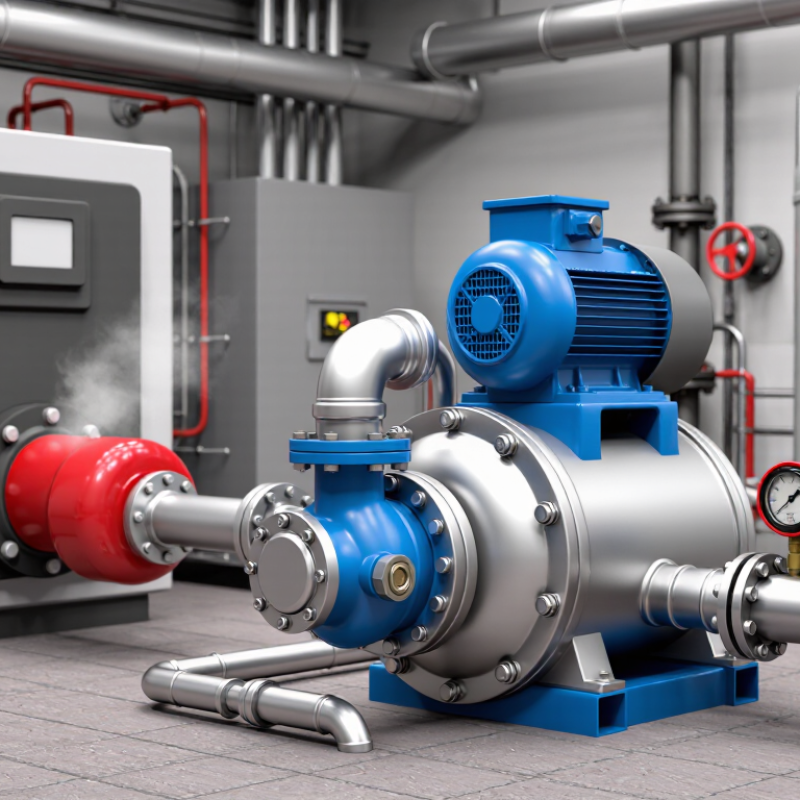
Identify the boiler system before comparing pump flow ratings. Is it a low-pressure heating boiler or a process-steam system with changing loads? Check the boiler’s operating pressure, steam output, and condensate temperature. Then trace the return line from the equipment to the receiver. Note whether condensate drains by gravity, rises to an overhead return, or enters a pressurized line. Start at the boiler. Look for traps, long pipe runs, and low points where water may collect. These details affect when condensate arrives, not just how much arrives. A pump sized from boiler output alone may be too large or too small.
Estimate the peak return rate during the busiest operating period, including intermittent equipment discharges. Measure the vertical lift from the receiver to the return point, and account for pressure in the receiving line and pipe friction. The pump must deliver the required flow at that total head. A high flow rating at low head can be misleading. Check condensate temperature, too; hot water can reduce suction conditions and contribute to cavitation. Confirm the receiver’s capacity, venting, and inlet arrangement against the system layout. I would not rely on a single field reading if loads change through the day. Compare observations with operating records, then verify the selected duty point with a qualified boiler professional.
Size a high-flow condensate pump from the boiler’s peak steam output, not its burner input. Convert peak steam production to condensate mass flow, then account for the return fraction and simultaneous process loads. At 5,000 lb/h of steam with 90% return, the estimated condensate load is 4,500 lb/h. Use actual condensate temperature and density to convert that mass rate into gallons per minute. DOE’s Steam Tip Sheet #8, Return Condensate to the Boiler, reports about 148 Btu/lb in condensate at 180°F. That heat matters. Small details matter.
Calculate total dynamic head from the receiver’s lowest working liquid level to the discharge point. Add vertical lift, pressure required at the return line, and friction losses through pipe, valves, and fittings. Convert downstream pressure to feet of liquid, using condensate temperature to determine specific gravity. Check the pump curve at the calculated flow and head, not at its maximum-flow label. Include peak return surges and the receiver’s usable storage volume. A tidy calculation can still miss a stuck-open trap or undersized return pipe. Recheck those assumptions against site readings. Then verify it.
Calculate the Required Flow Rate and Total Pumping Head
Illustrative sizing cases assume condensate density of 8.34 lb/gal and include a 25% flow allowance. Design flow is calculated as condensate load ÷ (8.34 × 60) × 1.25. Total dynamic head (TDH) is static lift + pipe and fitting losses + discharge pressure converted to feet of water (psi × 2.31). Confirm actual load, fluid temperature, piping losses, and system pressure before selecting a pump.
Choosing a high-flow boiler condensate pump starts with the liquid and system conditions, not the largest flow figure in a catalog. Measure condensate temperature at the pump inlet during steady operation and after startup. Hot condensate can flash into vapor when pressure drops, reducing capacity and causing noisy, erratic operation. Check the pump’s temperature limit and leave a sensible operating margin. Then calculate discharge pressure, including vertical lift and pipe friction. A pump that handles a given flow at low head may deliver much less against a tall return line. Small details matter.
Condensate is not always clean water. Check for oil, treatment chemicals, rust, and scale; these can affect seals, impellers, and narrow valve passages. Estimate peak return flow from boiler load and cycling, rather than relying only on an average. Allow for brief surges, but avoid oversizing without a reason, since frequent short cycles can increase wear. Record readings during a hot operating period. They help. One estimate I would revisit is the peak flow: operating patterns change, and a neat calculation can miss a sudden return surge. Verify assumptions against actual site conditions and the pump’s published limits.
Start with the condensate load, not the pump’s advertised maximum flow. Estimate peak boiler output and allow for periods when several units drain together. Then check the pump curve at the actual discharge height and pipe resistance. A pump rated for high flow at zero lift may deliver much less in a real installation. Check the curve. Also consider the receiver’s usable volume; a small tank can cause frequent cycling during heavy condensate return.
Material choice depends on condensate temperature, acidity, and expected service conditions. Look for a tank, impeller, and seals specified for hot condensate, and confirm chemical compatibility with the system’s treatment requirements. Do not assume that a familiar metal or plastic will suit every installation. Control features matter just as much. A reliable float switch should start and stop the pump at sensible levels, while a high-level alarm can warn staff before the receiver overflows. For critical systems, duty-and-standby pumps may add resilience, but only if their controls alternate or switch over correctly.
I would leave room for some uncertainty: real return rates can vary, so verify sizing against boiler data and site conditions before installation.
How to Choose a High Flow Boiler Condensate Pump
Check the installation before comparing pump ratings. Estimate the peak condensate return, not just the boiler’s nominal output. Then check the required lift, pipe length, and discharge pressure against the pump’s performance curve. A pump that meets the flow figure at zero lift may fall short in a real plant room. Measure the available footprint, too. Tight corners can make pipe connections awkward and block access to the receiver lid. Confirm that the pump materials and temperature rating suit the condensate conditions. Details matter.
Tips: Leave room to remove the strainer and float assembly. Add accessible isolation valves and unions where the pipe layout allows. Check that electrical connections remain clear of drips. A quick sketch with pipe heights and service clearances can reveal problems before installation.
Reliability also depends on the duty cycle and the controls. For variable boiler loads, check whether the receiver volume and switching arrangement can handle short return surges without frequent cycling. Ask how routine checks are performed, and whether seals, floats, and check valves can be reached without dismantling nearby pipework. Keep a clear route for draining and cleaning. In practice, the neatest layout is not always the easiest to service; I would recheck access with the cover open, even if that means revising the initial pipe plan.
| Selection dimension | What to check | Practical selection guidance |
|---|---|---|
| Required flow rate | Estimate the maximum condensate return rate, including simultaneous loads and expected operating conditions. | Convert mass flow to volume flow using condensate density at the operating temperature. Size for the calculated peak rather than average return, and confirm the pump’s rated capacity at the required head. |
| Total dynamic head | Account for vertical lift, discharge pressure, pipe friction, fittings, and any backpressure in the return system. | Compare the system’s total dynamic head with the pump curve. A pump’s maximum flow at low head is not its flow at the installed operating point. |
| Condensate temperature | Check normal and maximum liquid temperature, pressure conditions, and the possibility of flashing or cavitation at the pump inlet. | Verify the pump, seals, and receiver are rated for the actual service. Follow the manufacturer’s suction and temperature requirements; hot condensate may require special attention to inlet conditions. |
| Receiver and inlet arrangement | Confirm receiver volume, inlet elevations, venting requirements, suction pipe size, and available space for a stable liquid supply. | Ensure incoming condensate can enter without flooding nearby equipment or causing excessive turbulence. Follow the equipment drawings and applicable installation requirements for receiver venting and piping. |
| Duty cycle and pump arrangement | Determine whether the system operates continuously or intermittently and whether loss of condensate return would interrupt boiler operation. | For critical service, evaluate a lead/lag duplex arrangement with automatic alternation and standby capacity. Confirm that the controls are suitable for the intended operating sequence. |
| Materials and fluid quality | Review condensate chemistry, treatment residues, suspended solids, and compatibility of wetted parts and elastomers. | Select materials and seals for the actual fluid and temperature. Address contamination or debris at its source and use only filtration that is compatible with the system design. |
| Electrical and controls | Check supply voltage, phase, motor nameplate data, overload protection, enclosure suitability, and required level or pressure controls. | Match the motor and controls to the site electrical supply and environment. Provide alarm or fault indication where required by the operating plan. |
| Reliability and protection | Review motor protection, dry-run or low-level protection, check-valve arrangement, cycling frequency, and access to replacement parts. | Choose protections and operating limits appropriate to the pump design. Confirm that valves and controls can be tested and serviced without disrupting unrelated equipment. |
| Maintenance access | Allow room to remove the motor, pump, cover, strainer, and control components, and to reach isolation valves and electrical connections. | Check service clearances against the installation manual before finalizing the layout. Provide safe access, lifting provisions where needed, and isolation points for maintenance. |
| Commissioning checks | Verify rotation where applicable, priming or filling requirements, control operation, leakage, discharge pressure, and operation at the expected return rate. | Record the as-installed operating point and alarm settings. Use the manufacturer’s startup procedure and investigate abnormal noise, vibration, frequent cycling, or loss of flow. |
Final sizing and installation should be confirmed against the pump performance curve, equipment instructions, site conditions, and applicable codes.
| Cookie | Duration | Description |
|---|---|---|
| cookielawinfo-checkbox-analytics | 11 months | This cookie is set by GDPR Cookie Consent plugin. The cookie is used to store the user consent for the cookies in the category "Analytics". |
| cookielawinfo-checkbox-functional | 11 months | The cookie is set by GDPR cookie consent to record the user consent for the cookies in the category "Functional". |
| cookielawinfo-checkbox-necessary | 11 months | This cookie is set by GDPR Cookie Consent plugin. The cookies is used to store the user consent for the cookies in the category "Necessary". |
| cookielawinfo-checkbox-others | 11 months | This cookie is set by GDPR Cookie Consent plugin. The cookie is used to store the user consent for the cookies in the category "Other. |
| cookielawinfo-checkbox-performance | 11 months | This cookie is set by GDPR Cookie Consent plugin. The cookie is used to store the user consent for the cookies in the category "Performance". |
| viewed_cookie_policy | 11 months | The cookie is set by the GDPR Cookie Consent plugin and is used to store whether or not user has consented to the use of cookies. It does not store any personal data. |