
Choosing a Hot Melt Roller Coating Machine in 2026 requires more than comparing prices, speeds, or polished brochures. The machine must match the adhesive, substrate, coating width, and production rhythm. A roller system that performs beautifully on release paper may struggle with textured fabric or heat-sensitive film. Small differences matter.
Dr. Charles A. Harper, a respected plastics-processing authority, stated, “Machine selection must follow the process, not the other way around.” That principle remains practical. Examine the adhesive’s melting range, viscosity, open time, and thermal stability. Then inspect the roller design, temperature control, gap adjustment, web tension, and cleaning access. A stable temperature display is useful. It does not guarantee stable coating.
Look closely at real operating details. Can the operator change a 1.2-meter coating width without wasting several meters of material? Does the roller stay uniform near both edges? Is the control panel clear after a long shift? Ask for trial results using your actual substrate, not only a demonstration sample. Request coating-weight data, startup procedures, maintenance records, and energy consumption figures.
Perfect choices are rare.
Some buyers focus too heavily on maximum speed. That can be a mistake. Excessive speed may create uneven adhesive distribution, bubbles, edge buildup, or weak bonding. A slower machine with dependable control may produce better commercial results. Still, specifications alone cannot reveal every weakness. The final decision should combine tested performance, operator experience, supplier support, and honest reflection about future production needs.
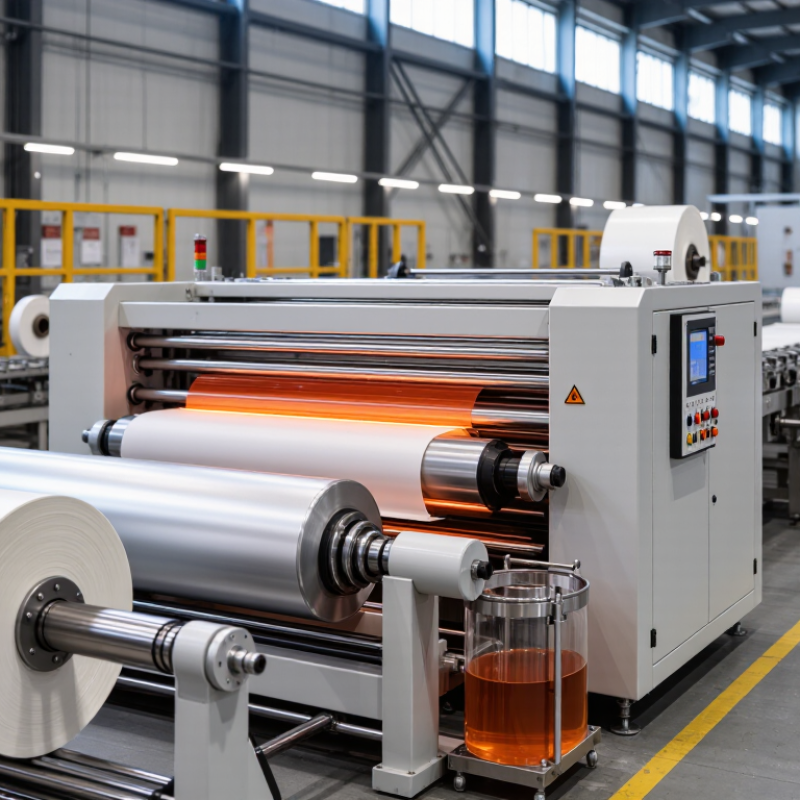
Hot melt roller coating machines apply thermoplastic adhesive through controlled rollers. Smooth-roll systems suit broad, even films on laminates and panels. Engraved-roll systems manage lighter coating weights for labels, films, and flexible packaging. Reverse-roll designs improve thickness control when surface accuracy matters. Multi-roll machines can handle demanding substrates, including textiles, foams, filters, and nonwoven materials.
Select the machine according to adhesive chemistry and production speed. EVA, polyolefin, polyester, and reactive polyurethane hot melts need different heating profiles. A practical test should measure coat weight, edge quality, open time, and bonding strength. Watch the web closely. Small temperature changes can create streaks, bubbles, or premature curing. A coating trial on the real substrate is more reliable than a brochure specification.
In 2026, buyers should examine closed-loop temperature control, automatic gap adjustment, digital coat-weight monitoring, and traceable production data. Safety guarding, emergency stops, heat insulation, and clear maintenance access should be standard expectations. Energy monitoring is increasingly important, but claimed savings require verified operating data. Local machinery, workplace, and chemical safety requirements still differ by region. No machine is perfect. A lower purchase price may hide difficult cleaning, unstable heating, or expensive downtime. Include operator experience in the evaluation, because automation cannot correct poor setup.
Choosing a hot melt roller coating machine in 2026 starts with the adhesive, not the machine frame. Measure viscosity across the full operating temperature range. An adhesive may flow smoothly at 150°C but become unstable at 175°C. High viscosity often needs stronger pumping, wider feed gaps, and slower roller speeds. Low viscosity may require tighter control to prevent flooding and edge buildup.
Check the adhesive’s melting range before selecting heaters and temperature sensors. The roller surface, reservoir, hose, and nozzle should support consistent heat. A useful operating temperature usually sits above the melting point, but excessive heat can damage the adhesive. Follow the supplier’s technical data and confirm it with a small production trial. Not a perfect formula.
Roller speed also changes coating behavior. Faster movement reduces contact time and may create thin, uneven films. Slower movement can increase coating weight and expose the adhesive to unnecessary heat. Record temperature, viscosity, line speed, coating weight, and surface appearance during testing. These records make troubleshooting more reliable.
Watch the coating bead closely. A stable bead should look continuous, without strings, bubbles, or sudden ripples. Inspect the first rolls after warming up, because early results can differ from steady production. In practice, operators sometimes choose a machine from one successful trial and regret it later. Adhesive batches, ambient temperature, and cleaning intervals can change the outcome. Build adjustment room into the machine specification.
How to Choose a Hot Melt Roller Coating Machine 2026
Production needs should determine coating width, not the machine brochure. Measure the widest product, then add 50–100 mm for edge control and future variation. A 1,200 mm web may need a 1,300 mm coating width. Oversizing wastes heated surface and energy. Undersizing creates unstable edges and frequent changeovers.
Roller diameter affects contact time, heat transfer, and adhesive release. Larger rollers usually provide a longer coating path and smoother temperature distribution. For pressure-sensitive adhesive work, a 300–500 mm diameter can offer useful stability, but trials remain essential. Line speed must match adhesive viscosity and coat weight. If a 20 gsm coating runs at 60 m/min, the machine must maintain uniform flow without streaks. Grand View Research’s 2024 Hot Melt Adhesives Market report projects annual growth above 6% through 2030, increasing pressure for faster, repeatable equipment. Speed alone is not productivity.
Tips: Start with actual production samples. Test at three speeds. Record temperature, coat weight, and waste. Leave safety margin. A machine rated for 100 m/min may perform poorly at 80 m/min with a high-viscosity formulation. I have seen calculations look perfect, yet the first trial exposed uneven heating near the operator side. That is why supplier data should support, not replace, on-site validation. PMC Packaging Machinery reports also highlight automation and changeover efficiency as continuing purchasing priorities.
How to Choose a Hot Melt Roller Coating Machine 2026
Choosing a hot melt roller coating machine requires more than checking the listed production speed. Metering accuracy controls how evenly adhesive reaches the roller surface. Small feed variations can create visible lines, weak bonding, or unnecessary material use. Ask suppliers for test data from your actual adhesive and operating temperature.
Coating thickness should remain stable across the full working width. A practical trial should measure the wet film at the center, edges, and several points between them. Compare those readings after startup and during continuous operation. For demanding applications, target a weight tolerance of ±1%. This level requires steady heating, accurate gap adjustment, and consistent roller pressure. In my experience, operators sometimes focus too heavily on the display reading. The real coating result may still drift. That deserves careful review.
Tips: Bring your own substrate and adhesive for machine testing. Record coating weight, temperature, line speed, and roller gap. Repeat each test several times. Check whether the machine returns to the same result after stopping and restarting. A clean roller helps, but it does not fix poor metering control. Also inspect calibration records and ask how often sensors require verification. If the supplier cannot explain the testing method clearly, pause before making a purchase.
| Machine Configuration | Typical Operating Speed | Practical Coating Width | Typical Coating Thickness | Metering Accuracy | Coating Weight Range | Weight Tolerance Capability | Temperature Control | Best-Fit Applications | Selection Assessment |
|---|---|---|---|---|---|---|---|---|---|
| Single Heated Metering Roller | 5–25 m/min | 300–1,000 mm | 0.05–0.30 mm | Typically ±3–5% when correctly set up | 40–300 g/m² | Usually ±2–5% | Set-point stability commonly within ±2–3°C | Labels, tapes, narrow web laminates, and small-batch production | Not normally the first choice when a verified ±1% coating-weight tolerance is required |
| Two-Roller Metering System | 10–50 m/min | 600–1,600 mm | 0.03–0.25 mm | Typically ±2–3% with stable viscosity and web tension | 25–250 g/m² | About ±1.5–3% | Commonly within ±1.5–2°C after warm-up | Pressure-sensitive adhesive, textile coating, foil, paper, and film laminating | Good balance of production speed, adjustment range, and investment |
| Precision Gravure or Engraved Metering Roller | 20–100 m/min | 800–1,800 mm | 0.01–0.15 mm | Typically ±1–2% under controlled process conditions | 10–150 g/m² | Approximately ±1–2% | Often within ±1°C in the heated coating zone | Thin adhesive layers, electronics films, medical materials, and high-value laminates | Strong candidate for thin, repeatable coatings and tight material usage control |
| Slot-Die-Assisted Hot Melt Roller Line | 30–150 m/min | 1,000–2,000 mm | 0.02–0.20 mm | Typically ±1–2% after calibration and closed-loop adjustment | 15–200 g/m² | About ±1%; may reach tighter results with automatic feedback | Commonly within ±1°C with multi-zone control | High-speed films, hygiene products, battery materials, and continuous industrial laminates | Recommended for high throughput when ±1% weight control is a documented requirement |
| Wide-Web Precision Roller Coater | 20–80 m/min | 1,600–3,200 mm | 0.05–0.40 mm | Typically ±2–3% across the web, depending on alignment and viscosity | 50–400 g/m² | Approximately ±1.5–3% | Usually within ±1.5–2°C across controlled zones | Wide-format construction membranes, roofing materials, nonwovens, and industrial fabrics | Best where web width and output are more important than ultra-low coat weights |
| Laboratory or Pilot-Scale Roller Coater | 0.5–10 m/min | 100–600 mm | 0.02–0.50 mm | Typically ±2–5%; repeatability depends strongly on operator technique | 20–500 g/m² | Usually ±2–5% | Often within ±2–3°C | Formulation development, substrate trials, process validation, and small samples | Suitable for development work, but production capability should not be inferred from pilot results alone |
Choosing a hot melt roller coating machine requires more than checking its maximum output. In production trials, I measure heating time, temperature stability, and coating uniformity across the roller. Heating power should match the adhesive type, working width, and target speed. Excess power may create uneven melting or waste energy. Insufficient power causes delays and inconsistent coating thickness. Ask for temperature recovery data after cold material enters the system.
Energy use deserves practical testing. Compare kilowatt consumption during startup, steady operation, and idle periods. Insulated tanks and controlled heating zones can reduce unnecessary heat loss. Safety features should include guarded hot surfaces, emergency stops, over-temperature protection, and clear operating alarms. Request test records and documented compliance with applicable machine-safety standards. Maintenance costs often hide in roller cleaning, heater replacement, filter changes, and unplanned downtime. Easy access helps. I once underestimated cleaning time, which made a low purchase price less attractive.
Tips:
Run a timed sample test before buying. Record startup minutes and energy readings. Test the emergency stop. Ask how quickly spare heating parts arrive. Calculate annual maintenance hours, not only service fees. Leave room around the machine for inspection. Do not trust brochure figures alone. Real factory conditions can be messier.
| Cookie | Duration | Description |
|---|---|---|
| cookielawinfo-checkbox-analytics | 11 months | This cookie is set by GDPR Cookie Consent plugin. The cookie is used to store the user consent for the cookies in the category "Analytics". |
| cookielawinfo-checkbox-functional | 11 months | The cookie is set by GDPR cookie consent to record the user consent for the cookies in the category "Functional". |
| cookielawinfo-checkbox-necessary | 11 months | This cookie is set by GDPR Cookie Consent plugin. The cookies is used to store the user consent for the cookies in the category "Necessary". |
| cookielawinfo-checkbox-others | 11 months | This cookie is set by GDPR Cookie Consent plugin. The cookie is used to store the user consent for the cookies in the category "Other. |
| cookielawinfo-checkbox-performance | 11 months | This cookie is set by GDPR Cookie Consent plugin. The cookie is used to store the user consent for the cookies in the category "Performance". |
| viewed_cookie_policy | 11 months | The cookie is set by the GDPR Cookie Consent plugin and is used to store whether or not user has consented to the use of cookies. It does not store any personal data. |