How to Choose a Hydraulic Proportional Valve for Your Needs?
Choosing the right Hydraulic Proportional Valve can significantly impact your hydraulic system’s performance. Industry expert John Smith emphasizes, “The correct valve selection is key to efficiency.” This indicates the importance of understanding your specific needs.
When selecting a Hydraulic Proportional Valve, consider your application requirements. Different industries demand various pressure ranges and flow rates. Simplifying complex systems often leads to overlooked specifications. A mismatch could result in inefficient operation or even failures. Take time to analyze factors like response time and control accuracy.
Another point to reflect on is the importance of manufacturer reputation. Not all valves are created equal. A well-known manufacturer might offer better support but could come with a higher price tag. Balancing quality and cost requires assessment. Ultimately, ensuring you make an informed choice is essential for optimal hydraulic system functionality.
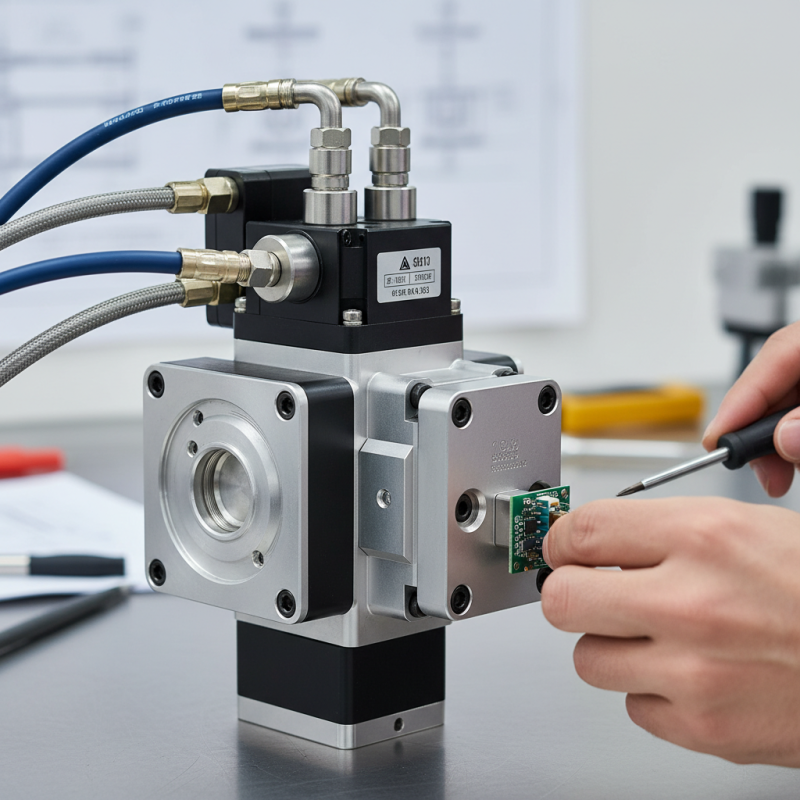
Understanding the Basics of Hydraulic Proportional Valves in Fluid Control
Hydraulic proportional valves play a crucial role in fluid control systems. They allow for precise regulation of flow and pressure, essential for efficient machinery operation. According to industry reports, around 70% of hydraulic function performance depends on the valve quality. Understanding their basics is vital for selecting the right valve for your needs.
When considering a hydraulic proportional valve, think about the application requirements. Assess the needed flow rates and pressure ranges. Make sure to evaluate the control signals, whether they will be analog or digital. This detail can significantly impact the valve's responsiveness.
Tips: Always consider the environment. Temperature, moisture, and dust can affect valve performance. Design for maintenance accessibility. Frequent checks help ensure reliability. Make informed decisions based on user feedback; it matters. An overlooked aspect is compatibility with existing systems. Misalignment can lead to inefficiencies. Explore fully before settling on any choice.
Key Specifications to Consider When Selecting a Proportional Valve
Selecting the right hydraulic proportional valve can greatly impact system performance. When evaluating options, consider several key specifications. Flow rate is critical; it dictates how much fluid can move through the valve. Typical flow ranges might be from 10 L/min to over 200 L/min. Match this with your system requirements for optimal efficiency.
Pressure rating is another essential factor. High-pressure systems may require valves rated for 350 bar or more. Matching your valve's pressure rating to your application's maximum pressure is crucial. A mismatch can lead to failures or reduced performance.
**Tip:** Always check the valve's response time. A swift response leads to better control in dynamic applications.
Another specification to consider is the control type. Proportional valves can be electrically or hydraulically controlled. Each type offers different benefits based on application needs. An electrical control can offer precision but may be complex. Conversely, hydraulic control can be simpler but may not offer as fine a resolution.
**Tip:** Review your application’s requirements carefully. Some systems may be over-specified, leading to unnecessary costs.
Finally, think about the environmental factors. Temperature ranges and potential exposure to contaminants can affect performance. Ensure to select a valve designed for your specific operating conditions. Finding the ideal balance can feel challenging at times, but thoughtful consideration of these specifications will lead to better outcomes.
Evaluating Flow Rate and Pressure Requirements for Optimal Performance
When selecting a hydraulic proportional valve, understanding flow rate and pressure requirements is crucial. The flow rate defines how quickly hydraulic fluid moves through the system. For instance, a typical range for medium-duty applications is 5 to 15 liters per minute. Insufficient flow rates can lead to sluggish operation. Conversely, excessive flow might cause system wear or failures.
Pressure ratings also play a vital role. Many hydraulic systems operate between 1000 to 3000 psi. Identifying the correct pressure prevents damage and ensures optimal performance. According to industry reports, nearly 20% of systems underperform due to mismatched pressure settings. This can create inefficiencies in operations.
Tips: Always consult system specifications. They provide baseline requirements for flow and pressure. Additionally, consider the environment where the valve will be used. Temperature fluctuations can affect performance. Regular maintenance checks are essential. They help identify potential issues before they escalate. Many users overlook this step, leading to costly repairs. Ensure your valve choice suits your specific needs.
Factors Influencing Valve Response Time and Accuracy in Applications
When choosing a hydraulic proportional valve, response time and accuracy are critical. Response time affects machinery performance. A delay can lead to inefficient operations. According to a recent industry report, even a 1-second delay in valve response can cause a productivity drop of up to 15%. Thus, ensuring quick response times is essential in high-demand applications.
Accurate control is equally important. Variations in pressure and flow can affect how precisely a valve operates. Take into account the system's needs. For instance, applications requiring fine adjustments benefit from high-accuracy valves. A report shows that valves with an accuracy of ±0.5% outperformed others in a test, making them suitable for sensitive tasks.
**Tips:** Test various valve types under your operational conditions. Don’t overlook the impact of temperature. It can alter performance. Regular maintenance checks are also crucial. They ensure that response times remain consistent and reliable. Reflect on how your current setup performs under stress. Can it handle unexpected changes efficiently?
How to Choose a Hydraulic Proportional Valve for Your Needs?
| Valve Type | Response Time (ms) | Accuracy (%) | Flow Rate (L/min) | Operating Pressure (bar) |
| On/Off Valve | 20 | 95 | 30 | 210 |
| Proportional Relief Valve | 15 | 98 | 50 | 250 |
| Proportional Directional Valve | 25 | 90 | 80 | 200 |
| Load-Sensing Valve | 30 | 92 | 40 | 180 |
Comparing Types of Hydraulic Proportional Valves for Specific Needs
When choosing a hydraulic proportional valve, understanding the types available for specific needs is crucial. Each type serves different applications, impacting performance and efficiency. For example, spool valves are common for general use, effectively controlling flow direction. Another choice, seat valves, provide tight sealing and are ideal for high-pressure scenarios. According to industry reports, spool valves hold approximately 55% of the market share in various hydraulic systems due to their versatility.
Tips: Analyze your application requirements thoroughly before selection. Consider factors like pressure and flow rate. This helps narrow down the options.
Furthermore, proportional solenoid valves are gaining popularity for their precision. They allow for smoother control of flow and pressure. Their response time is faster compared to mechanical alternatives, enhancing overall system performance. A report by a leading engineering firm indicated that the demand for proportional solenoid valves increased by 20% over the last year alone.
Tips: Don't overlook installation and maintenance needs. Costs can escalate if the wrong type is chosen. Ensure compatibility with your existing system. Assessing future needs can also prevent costly retrofits.
Choosing the Right Hydraulic Proportional Valve
The chart above illustrates typical values for various criteria when selecting a hydraulic proportional valve. These metrics include flow rate, pressure rating, response time, hysteresis, and temperature range, which are essential for matching the valve to specific operational needs.
