How to Choose a Welding Parts Supplier in 2026?
Choosing a Welding Parts supplier in 2026 is about more than comparing prices. A bracket that looks correct on screen can arrive with a misplaced hole, inconsistent thickness, or a finish that complicates assembly. Those small differences may slow a production line or force costly rework. Welding Parts should fit the drawing, the process, and the conditions in which the finished product will operate. That sounds obvious. It is not always easy to verify.
A dependable supplier can explain its materials, fabrication methods, inspection steps, and production capacity in clear terms. Ask how it checks dimensions, manages revisions, and handles parts that fail inspection. A sample run can reveal practical issues that a polished quote cannot. So can a direct conversation with the people responsible for production. Look for consistent documentation, realistic lead times, responsive communication, and evidence that quality checks happen throughout manufacturing—not only before shipment. Certifications may help, but they do not replace questions about your specific part and tolerances. No supplier is perfect; even a strong process can miss something. The useful test is how openly the supplier identifies risks and corrects problems. This guide outlines the criteria buyers can use to compare capabilities, confirm fit, and build a supplier relationship based on evidence rather than promises.
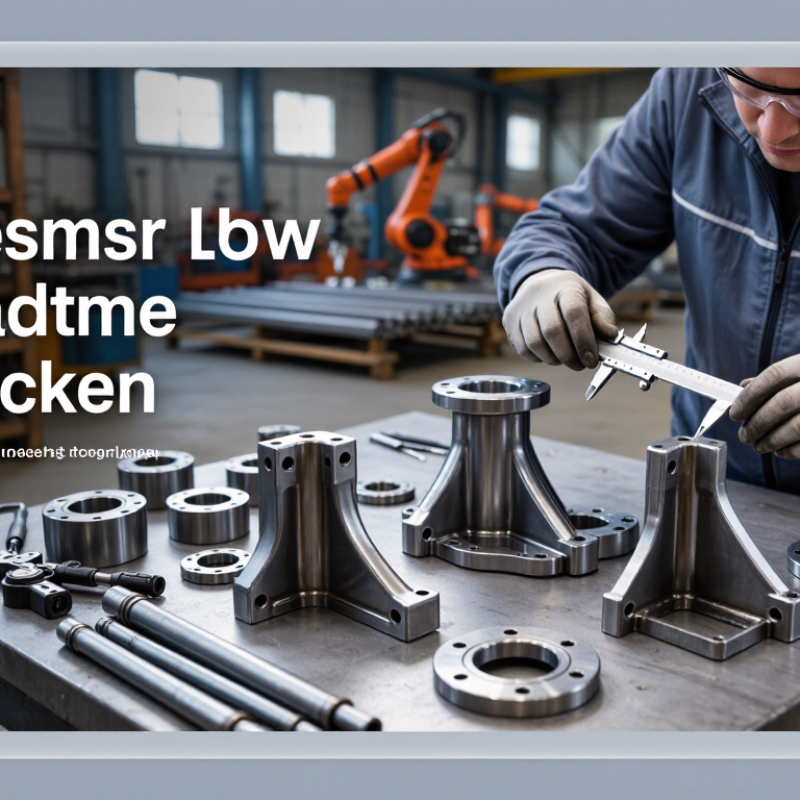
Define Your Welding Parts Requirements and Application Needs
Define the part before comparing suppliers. Start with the joint. Is it a bracket, frame, tank component, or repair item? Record the base metal, thickness, dimensions, tolerances, and welding process. Include service conditions too: vibration, moisture, heat, or repeated loading can change material and finish choices. Small details matter. A 2 mm mismatch at a mounting hole can cause rework across an assembly. Share current drawings, revision levels, annual quantities, and inspection needs. If specifications are incomplete, mark assumptions clearly rather than letting a supplier guess.
Application needs also shape supplier capacity. A prototype may need quick design feedback; repeat production may depend more on stable lead times and consistent inspection records. The Deloitte and Manufacturing Institute 2024 study estimates that U.S. manufacturing may need 3.8 million workers by 2033, with 1.9 million jobs potentially unfilled. That forecast does not measure welding-part availability, but it highlights why clear specifications and realistic delivery plans matter. Ask how the supplier controls dimensions, documents material traceability, and handles nonconforming parts. Then check whether its equipment suits your part size and production volume. One point is easy to overlook: the cheapest quote may exclude finishing, packaging, or inspection. Compare like for like. A short review of a sample part can reveal gaps that a polished quote cannot.
Assess Supplier Expertise, Production Capacity, and Quality Controls
Choosing a welding parts supplier in 2026 means looking beyond a low unit price. Ask who reviews drawings, selects welding procedures, and handles design changes. A capable team should explain joint preparation, material compatibility, and possible distortion in plain language. Request examples of similar parts, with tolerances and inspection records. Specific evidence matters.
Check production capacity against your actual order pattern, not just a supplier’s maximum output. Ask about machine availability, shift coverage, and how urgent rework affects scheduled jobs. A short factory walk-through can reveal whether parts move smoothly between cutting, fit-up, welding, and inspection. Numbers help, but schedules change. Ask how bottlenecks are flagged before delivery dates slip.
Quality controls should be visible and repeatable. Look for documented material checks, weld inspections, and dimensional measurements. For critical dimensions, ask how often gauges are verified and whether inspection results can be traced to a batch. A certificate alone is not enough. Review how nonconforming parts are separated, corrected, and recorded. If possible, inspect a sample lot before approving regular production. No supplier is flawless; a clear account of a past issue and its corrective action can be more useful than a polished presentation.
How to Choose a Welding Parts Supplier in 2026
Suggested evaluation weight by supplier assessment dimension
Use these buyer-defined weights as a starting point, then adjust them to fit your part complexity and order requirements. Verify welding procedures and welder qualifications, inspect quality records and defect handling, confirm capacity against your forecast, and check material traceability.
Compare Materials, Processes, Certifications, and Customization Options
Choosing a welding parts supplier in 2026 starts with the part, not the sales pitch. Match the base material to the service conditions: stainless steel for corrosion resistance, or carbon steel where strength and cost matter. Then confirm the process—MIG, TIG, or resistance welding—fits the part’s thickness and geometry. A thin bracket can warp under excess heat. Ask how the supplier controls distortion and verifies dimensions.
Certifications should match the work. Check whether the supplier’s welding procedures and personnel qualifications fit your required code, and request inspection records and material traceability. The American Welding Society’s 2023 workforce outlook projected a need for 330,000 additional welding professionals in the United States by 2028. That signals a capacity challenge, but it does not prove any single supplier is qualified. For custom parts, compare prototype support, fixture design, tolerances, batch-size flexibility, and change-control practices. Small details matter.
Tips: Send a drawing with material grade, thickness, weld locations, and critical tolerances. Ask for a sample inspection report. Confirm the quote covers finishing and packaging. One caution: a supplier may agree to every request, yet struggle with repeatability. Test a sample before committing to production.
Evaluate Pricing, Lead Times, Logistics, and Supply Chain Reliability
A welding parts supplier should be judged by more than the price printed on a quote. Compare total costs, including tooling, packaging, inspection, and freight. Ask for prices at several order volumes, then check what happens when quantities change. A low unit price may hide extra setup charges. Request a clear breakdown.
Lead times need evidence, not just confident estimates. Ask how long sample approval, production, and dispatch usually take, and request recent delivery records. A supplier should explain how it handles urgent changes and delayed materials. That matters. Compare promised dates with actual performance, not best-case schedules alone.
Logistics can make a reliable part arrive too late. Confirm packaging protects edges and machined surfaces, and check how shipments are tracked and handed over. Ask where critical materials come from and whether alternate sources are qualified. Look for practical signals: documented inspections, named production contacts, and timely notice of problems. No scorecard captures every risk. I would leave room for judgment, because a polished spreadsheet can still miss a weak handoff between production and shipping. Keep records of trial orders, late deliveries, and corrective actions; these details make supplier reviews more useful over time.
Verify Supplier Performance With Samples, Audits, and Ongoing Reviews
Choosing a welding parts supplier in 2026 takes more than comparing quotes. Start with a sample made to your drawing and material requirements. Check dimensions with suitable gauges, inspect weld consistency, and test fit against the mating components. Record any mismatch, even a small one. A clean sample is useful, but it cannot prove every production run will be consistent.
An on-site or remote audit can reveal how the supplier controls that consistency. Review work instructions, welder qualifications, inspection records, equipment maintenance, and material traceability. Ask to follow one part from incoming material through final inspection. Look closely at how nonconforming parts are identified and corrected. A polished presentation is not enough; request evidence from recent production. Audits also have limits. A visit captures one moment, not every shift.
Keep reviewing performance after approval. Track defect rates, delivery dates, response times, and corrective actions using agreed measures. Discuss trends on a regular schedule, such as quarterly, and ask for root-cause details when problems repeat. Share drawing changes promptly, too. Even a reliable supplier can miss an update. The review should be candid and specific, not just a scorecard. Some gaps may be inconvenient to raise, but leaving them unspoken rarely improves the next batch.
