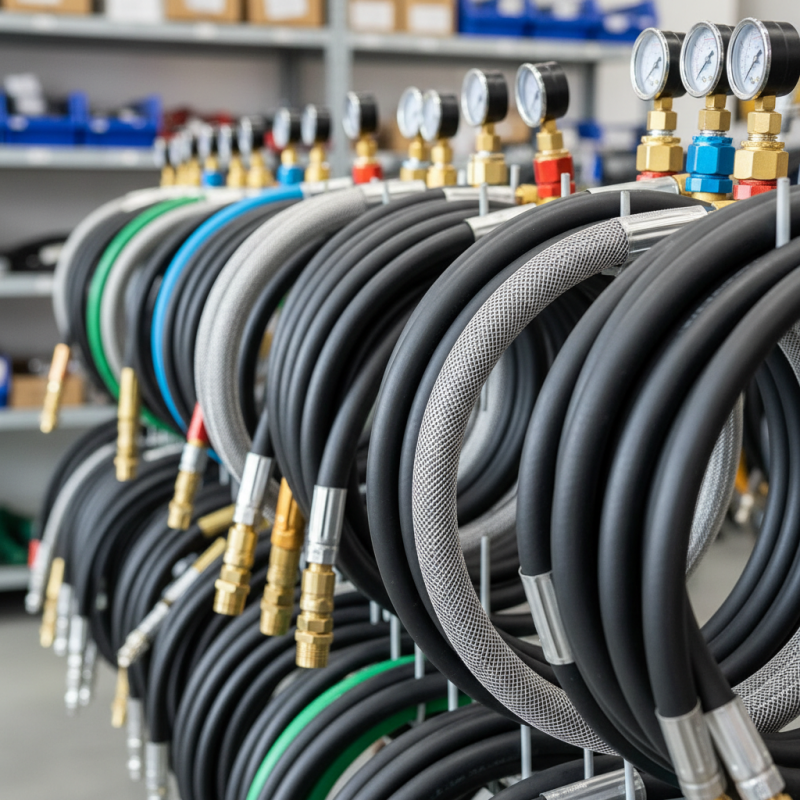
How to Choose the Best Hydraulic Hose for Sale?
Choosing the right hydraulic hose for sale is crucial for efficient machinery operation. A good hydraulic hose can enhance performance and durability. However, selecting the best option can be challenging due to the variety available.
When considering a hydraulic hose for sale, think about its specifications. Focus on factors like pressure rating, material, and temperature range. Many buyers overlook these details. This can lead to costly mistakes or failures later on. It's essential to match the hose to the specific needs of your equipment.
Additionally, consider supplier reputation and customer reviews. A well-rated supplier often indicates quality products. Take time to research and compare. Don't rush this decision; it can save time and money. Remember, the right hydraulic hose for sale is an investment in your machinery's future. This choice can make a significant difference in performance and longevity.
Understanding Hydraulic Hose Specifications
When selecting a hydraulic hose, understanding specifications is crucial. The hose's pressure rating determines its ability to withstand high forces. Look for hoses that meet your equipment’s specific pressure requirements. Additionally, consider the hose’s size and length. Ensure it fits your system without causing bends or restrictions. A tight fit can lead to kinks and reduce the hose’s lifespan.
Material matters, too. Different materials offer varying levels of flexibility and durability. Rubber hoses are common but may not last as long in harsh conditions. Steel-reinforced hoses can handle higher pressures but may be less flexible. You need to balance performance with the environment in which the hoses will be used.
Connecting fittings should be compatible with your hydraulic system. Mismatched fittings can cause leaks and failures. Regular maintenance is also important. Inspect hoses for wear and tear. Even small signs can indicate bigger problems. It's easy to overlook these details, yet they can save you time and money in the long run.
Types of Hydraulic Hoses and Their Applications
When choosing hydraulic hoses, understanding the types and their applications is crucial. There are several key types of hydraulic hoses. Each serves distinct functions in various industries. For example, rubber hoses are versatile and often found in construction equipment. They typically operate effectively under high pressure. However, they may wear out faster in harsh environments.
Thermoplastic hoses are another popular option. They are lightweight and resistant to abrasion. This makes them ideal for mobile machinery. According to industry data, about 30% of users prefer thermoplastic hoses for their durability and flexibility. Yet, they can be more costly upfront. It’s essential to evaluate the trade-offs.
Steel reinforced hoses offer excellent strength. They are suitable for high-pressure systems in industrial settings. However, their rigidity may limit installation options. A significant percentage of hydraulic failures occur due to improper hose selection. Therefore, careful consideration of the specific requirements is vital. Ensuring hoses match the application’s needs can reduce risks and improve efficiency.
Key Factors to Consider When Selecting a Hydraulic Hose
When selecting a hydraulic hose, several factors come into play. The hose must withstand the specific pressure of your application. Consider the working pressure and burst pressure carefully. Hoses with different rating systems can be confusing. Make sure you fully understand these ratings.
Material is another critical aspect. Hydraulic hoses can be made from rubber, thermoplastic, or metal. Each material has its benefits and drawbacks. For example, rubber hoses are flexible but may degrade with harsh chemicals. Thermoplastic hoses are lightweight but can be less durable. Always analyze the environment where the hose will be used.
**Tips:** Check compatibility with fluids before purchasing. This can save you headaches later. Keep in mind that a hose too stiff may not bend nicely, while one too flexible could kink easily. Important factors include temperature fluctuations and exposure to sunlight. Do not overlook these details when making your choice. Remember, not every option will suit all situations. Pay attention to what works best for you.
Hydraulic Hose Selection Factors
How to Determine the Right Size and Length for Your Needs
Choosing the right size and length for a hydraulic hose is crucial. Start by measuring the distance where the hose will run. Consider any potential bends or turns in the path. These factors can impact the hose length you need. If the hose is too short, it won't fit. If it's too long, it may create unwanted slack.
Next, think about the diameter. The inner diameter affects fluid flow. A hose that's too narrow can restrict flow. Conversely, a hose that's too wide might not create enough pressure. You need to balance these requirements based on your application's needs.
Don't rush this decision. A miscalculation can lead to costly downtime. Always take your time to analyze the system. Keep a record of measurements and specific requirements. Reflect on your choices. Are they really the best fit? Taking shortcuts might seem tempting, but they often lead to bigger problems later.
Where to Find Reliable Hydraulic Hoses for Sale
When searching for reliable hydraulic hoses, the right source is crucial. Start by exploring local suppliers and distributors. They often provide a variety of hoses in different sizes and pressure ratings. Visiting a physical store allows you to inspect the hoses firsthand. You can feel their flexibility and check their durability.
Tips:
Always ask about the materials used in the hoses. High-quality rubber or thermoplastic often indicates better performance. Don’t hesitate to compare prices; some places may offer better deals than others.
Online platforms can be useful too. Many reputable websites offer a broad selection. Look for customer reviews to gain insight into the reliability of the hose. However, be cautious with online purchases. Pictures might not convey the true quality.
Tips:
Read the return policy. This ensures you can exchange or return hoses that do not meet your needs. Double-check the specifications to avoid mismatches. Reliable hoses should come with a warranty, showing the manufacturer's confidence in their durability.
How to Choose the Best Hydraulic Hose for Sale?
| Parameter | Importance | Material | Common Applications | Pressure Rating |
| Inner Diameter | Critical for flow capacity | Nitrile Rubber | Hydraulic lifts, machinery | Up to 3000 PSI |
| Reinforcement Type | Enhances durability | Braided Steel Wire | Industrial machinery | Up to 5000 PSI |
| Temperature Range | Affects performance | Polyester | Agricultural equipment | -40°F to 250°F |
| Flexibility | Ease of installation | Thermoplastic | Mobile equipment | Up to 4000 PSI |