How to Choose the Best Hydraulic Rotary Drilling Rig for Your Needs?
When selecting the best Hydraulic Rotary Drilling Rig, expert John Smith, a leading engineer in the drilling industry, emphasizes, “Choosing the right rig can make or break your project.” The type of rig you select influences efficiency, cost, and project timelines. A Hydraulic Rotary Drilling Rig is pivotal in various applications, including construction and geotechnical drilling.
Understanding your specific needs is essential. Different projects require different capabilities. Some rigs excel in tough terrains, while others are designed for speed and efficiency. The choice hinges on factors such as soil conditions, depth requirements, and site accessibility. A well-suited rig translates to improved productivity and reduced operational costs.
However, making the right choice can be challenging. Many factors come into play, and it’s easy to overlook crucial details. Inexperienced operators often misjudge the requirements, leading to project delays. Seek advice from seasoned professionals. Their insights can guide you to the right Hydraulic Rotary Drilling Rig for your unique situation. Choosing wisely today will pay off tomorrow.
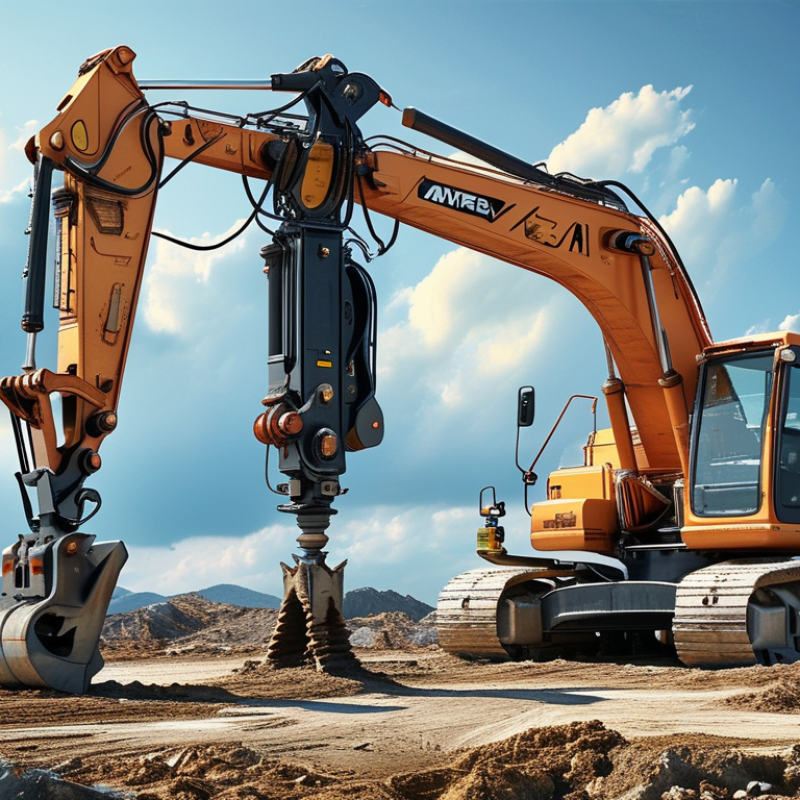
Understanding Hydraulic Rotary Drilling Rigs: A Comprehensive Overview
Hydraulic rotary drilling rigs are vital in various industries, including construction, mining, and environmental projects. They provide high efficiency and versatility. According to industry reports, the global hydraulic rotary drilling rig market is projected to reach $6.5 billion by 2027, growing at a CAGR of approximately 6.2%. This indicates a rising demand for reliable and advanced drilling technologies.
Understanding hydraulic rotary drilling rigs involves knowing their components and functions. These rigs utilize hydraulic systems for power and control, allowing for deeper penetration and smoother drilling operations. Key features, such as rotary heads and mud pumps, enhance performance significantly. Studies show that rigs equipped with advanced automation systems can reduce operational costs by 20%. Yet, challenges persist. Factors like soil conditions and drilling depths can impact rig effectiveness.
Many users report difficulties when selecting the right rig for specific applications. It’s crucial to consider weight, size, and power. Some operators may overlook the importance of proper training for their personnel. Inadequate knowledge can lead to operational inefficiencies and increased downtime. Investing in quality equipment with specialized training is vital for optimizing performance and achieving project goals.
Key Factors to Consider When Selecting a Hydraulic Rotary Drilling Rig
Selecting the right hydraulic rotary drilling rig requires careful consideration of several key factors. The rig's capacity plays a crucial role in its effectiveness. For instance, according to industry reports, rigs with a torque range between 30,000 to 100,000 ft-lbs are optimal for both moderate and deep drilling projects. Understanding your specific job requirements can lead to better equipment choices.
Mobility factors are equally important. A rig that is easy to transport can save time and money. Some reports indicate that rigs weighing fewer than 50,000 pounds are more maneuverable on job sites. However, lighter rigs may sacrifice stability in challenging conditions. This trade-off needs careful assessment, especially in varying soil types.
Operational features also significantly impact performance. A user-friendly control system can enhance efficiency, reducing the risk of human error. Many professionals recommend evaluating the rig's hydraulic system performance metrics. A system capable of producing high flow rates can increase drilling speed and reduce downtime. Reviewing these details may prevent costly operational challenges down the line.
Evaluating the Technical Specifications of Drilling Equipment
When selecting a hydraulic rotary drilling rig, understanding the technical specifications is crucial. Key specifications include torque, drilling capacity, and power source. Torque determines the rig’s ability to penetrate tough soil. Higher torque means better performance in challenging conditions. Drilling capacity indicates how deep and wide you can drill. This affects project efficiency and depth capabilities.
Consider additional factors like mobility and stability. Depending on the job site, a portable rig might be essential. Stability is necessary for precise drilling, especially in uneven terrains. Operators should review ratings and safety features, as they impact long-term reliability. A thorough evaluation of these specifications ensures optimal performance for your unique applications.
However, it’s important to reflect on the cost versus benefits of various features. A high torque rig may seem ideal but might exceed your budget. Always assess whether the added specifications genuinely match your project’s demands. Prioritize essential features over fancy extras. Greater understanding leads to more effective decision-making in choosing the right rig.
Assessing the Reliability and Durability of Hydraulic Drills
When selecting a hydraulic rotary drilling rig, assessing reliability and durability is crucial. Numerous studies indicate that equipment longevity directly impacts project costs. According to a recent industry report, 30% of drilling projects face delays due to equipment failure. This highlights the importance of investing in high-quality rigs.
One key factor is material quality. Rigs made from high-grade steel often show increased resistance to wear and tear. Research suggests that rigs built with advanced materials can extend operational life by up to 50%. Look for models featuring strengthened components and rust-resistant finishes. These features ensure reliable performance, especially in demanding conditions.
Tips: Evaluate user reviews online. Look for feedback on performance over time. Investigate service history and warranty details. Equipment with robust after-sales support can minimize downtime.
Another aspect to consider is maintenance requirements. Proper upkeep enhances durability but can be overlooked. A maintenance plan should be in place to address potential wear before it becomes a significant issue. Regular checks can help you identify weaknesses that might otherwise disrupt operations.
Understanding these elements can guide you toward selecting the right rig that meets your project's needs effectively.
Budgeting: Cost-Effectiveness and Investment for Your Drilling Needs
When selecting a hydraulic rotary drilling rig, budgeting is crucial. You need to balance cost and effectiveness. Many factors can influence the price. These include rig type, capacity, and features. Investing in the right equipment requires careful planning. A low-cost rig may save money upfront but can lead to higher long-term expenses. This is worth considering.
Tips: Assess the total cost of ownership. This includes maintenance, fuel, and operational costs. An efficient rig often translates to lower costs over time. Invest in training for your crew. Well-trained operators maximize a rig's potential. This can significantly impact your project budget.
Consider resale value. Some rigs depreciate quickly, while others retain value. Research the potential resale market for your chosen models. Reflect on your specific needs. A rig suitable for one project might not work for another. It's essential to analyze your requirements thoroughly. This will help you avoid costly mistakes.
