How to Choose the Best PTFE Expansion Joints for Your Needs?
Choosing the best PTFE Expansion Joints for your needs involves understanding specific requirements. PTFE, or polytetrafluoroethylene, is known for its excellent chemical resistance and durability. These expansion joints are vital in various applications, including piping and HVAC systems.
When selecting, consider factors like temperature, pressure, and the type of fluid involved. The right choice ensures efficiency and reduces maintenance costs. A common oversight is underestimating these variables, leading to potential failures and safety issues.
Evaluating different manufacturers is crucial. Look for established brands with strong warranty offerings. Insights from previous customers can provide valuable perspectives. However, avoid relying solely on online reviews; consider direct consultations for deeper understanding. The objective is to match the right PTFE Expansion Joints to your specific application, ensuring both reliability and longevity.
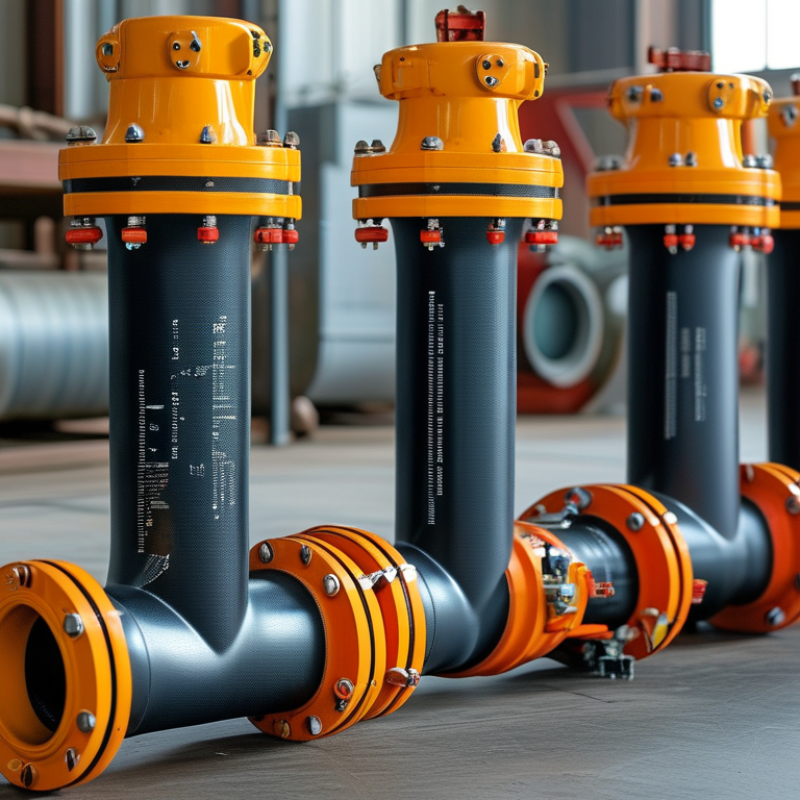
Understanding the Functionality of PTFE Expansion Joints
PTFE expansion joints are crucial in managing movement and vibration in piping systems. Their primary function is to absorb thermal expansion, reduce stress, and accommodate misalignment. According to industry studies, PTFE can withstand high temperatures and corrosive environments while maintaining durability. This makes it ideal for various applications, including chemical processing and pharmaceutical manufacturing.
When selecting PTFE expansion joints, consider the specific operating conditions. Assess temperature ranges, pressure levels, and media types to ensure compatibility. A mismatch can lead to premature failure. Industry reports suggest up to 20% of failures occur due to incorrect specifications. Use proper sizing to prevent excessive stress on joints.
Tip: Regularly inspect joints for signs of wear or damage. Addressing minor issues early can extend joint lifespan. Additionally, consulting with a specialist can provide tailored solutions for your unique application. Remember, every installation is different; don’t rely solely on general guidelines. Each project requires careful evaluation of its unique conditions.
How to Choose the Best PTFE Expansion Joints for Your Needs?
| Dimension | Value |
| Size (Diameter) | 1 inch to 24 inches |
| Pressure Rating | Up to 150 psi |
| Temperature Range | -200°C to 260°C |
| Materials | PTFE, Stainless Steel |
| Applications | Chemical Processing, Food & Beverage, Pharmaceuticals |
| Installation Type | Flanged, Threaded |
| Flexibility | Axial, Angular, Lateral |
Key Factors to Consider When Selecting PTFE Expansion Joints
When selecting PTFE expansion joints, several key factors come into play. Durability is paramount. According to recent industry reports, PTFE materials can withstand temperatures ranging from -100°F to 500°F. This broad range ensures that they can handle extreme conditions. In addition, flexibility is vital for accommodating thermal expansion and vibrations without compromising the system’s integrity.
Pressure ratings also play a critical role. Many PTFE joints are designed for both low and high-pressure applications. Industry standards indicate that high-performance PTFE expansion joints can endure pressures up to 300 psi. Using the right pressure rating is crucial for preventing leaks and potential system failures. However, not all applications require the same pressure handling capacity. Evaluating your system’s requirements is essential before making a choice.
Another factor to consider is compatibility with the fluids involved. PTFE is known for its excellent chemical resistance, making it suitable for corrosive substances. Yet, some reports suggest mismatches can lead to failures. Inspecting the chemical makeup of the fluids is necessary to ensure safe operation. Additionally, installation and maintenance practices can affect the lifespan of PTFE joints. Regular inspections are essential, but they are often overlooked, leading to unforeseen issues.
Comparing Different Types of PTFE Expansion Joints available in the Market
When selecting PTFE expansion joints, understanding their types is crucial. There are three primary types: standard, reinforced, and custom expansion joints. Each type serves different applications and has unique characteristics. For instance, standard joints typically resist chemical corrosion well. Reports indicate that reinforced joints can withstand higher pressures and temperatures, making them suitable for demanding environments.
The durability of PTFE expansion joints largely depends on the quality and thickness of the PTFE material used. A study from the Expansion Joint Manufacturers Association indicates that thicker PTFE layers significantly enhance the joint's lifespan. This is especially important in industries like chemical processing, where joints are subjected to aggressive substances. Using joints with inadequate specifications can lead to failures, resulting in costly downtime.
Moreover, custom expansion joints allow for precise fits in complex piping systems. However, they often come at higher costs and extended lead times. Balancing between cost-effectiveness and performance is vital. Industry experts suggest evaluating application-specific requirements before making a decision. Not all joints are designed for every environment, so careful selection based on data-backed insights is essential.
Assessing Compatibility with Your Specific Application Needs
When selecting PTFE expansion joints, it's crucial to assess their compatibility with your specific application needs. PTFE, known for its chemical resistance and flexibility, is widely used in various industries, including chemical processing and pharmaceuticals. According to a recent industry report, improper selection can lead to system failures, resulting in costly downtime and safety hazards.
Understanding the operating conditions is essential. High temperature, pressure, and chemical exposure can affect the performance of PTFE joints. Data shows that around 30% of installations face compatibility issues due to overlooked environmental factors. It is vital to conduct a thorough analysis of your specific needs before making a decision. Testing the joints in a controlled environment can help identify potential weaknesses.
Tips: Always verify the joint's specifications against your application. Consult with industry experts if necessary. Keep installation practices in mind; poor installation can negate the advantages of PTFE. Remember, even a small oversight can lead to increased maintenance costs down the line. Prioritize reliability in your choices, as it plays a crucial role in overall system integrity.
Maintenance and Installation Tips for PTFE Expansion Joints
Installing PTFE expansion joints requires meticulous attention to detail. Ensure that you have all necessary tools and equipment ready before starting. It is vital to check alignment during installation. Misalignment can lead to premature wear and failure. Marking the pipeline can help maintain proper positioning.
Maintenance is equally important. Regular inspections can identify wear and tear early. Check for any signs of leakage or physical damage. Cleaning the joints periodically will prevent the buildup of debris. Remember to replace any damaged components promptly to avoid further issues. Documenting each inspection can enhance reliability and ensure a proactive approach.
Maintaining PTFE expansion joints isn't always straightforward. Some issues may not be immediately visible. It's essential to monitor performance over time and adjust your maintenance schedule accordingly. Periodically re-evaluate the environment around the joints. Changes in temperature or pressure may necessitate different maintenance strategies. Constant vigilance is key to ensuring the longevity of your expansion joints.
PTFE Expansion Joints Performance Metrics
This chart illustrates the key performance metrics for PTFE expansion joints, including their temperature and pressure resistance, flexibility, and chemical resistance. These attributes are crucial for selecting the best PTFE expansion joints based on specific applications and environmental conditions.
