How to Choose the Best Wafer Roll Machine for Your Business?
In the competitive snack food industry, selecting the right Wafer Roll Machine is crucial for success. According to a recent report by Global Industry Analysts, the wafer production market is expected to reach $9 billion by 2025, driven by growing consumer demand. With a variety of machines available, businesses often struggle to find the optimal choice that meets their production needs.
Expert John Smith, a leading authority in food processing technologies, emphasizes, "Investing in a quality Wafer Roll Machine can significantly enhance your output." This statement reflects the reality many manufacturers face when choosing their equipment. The features of a machine can greatly affect efficiency and product quality. However, many businesses overlook critical factors like machine capacity, energy efficiency, and maintenance requirements.
Selecting a Wafer Roll Machine is more than just about cost; it's an investment in future growth. Companies must evaluate their specific circumstances and production goals. Sometimes, failing to choose wisely can lead to unforeseen losses. Understanding these dynamics can empower businesses to make informed decisions, ultimately improving their bottom line.
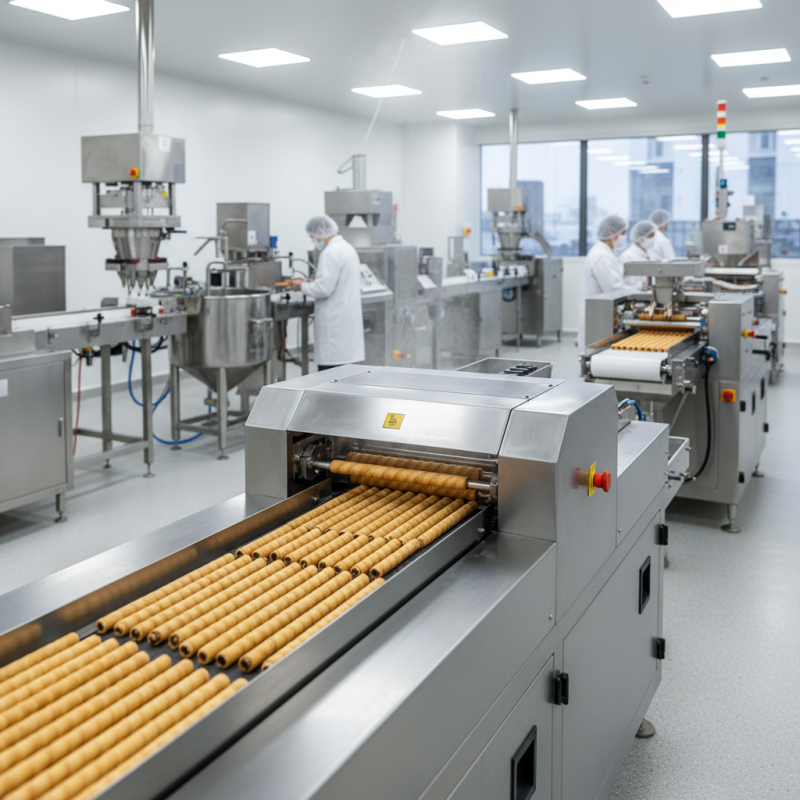
Understanding the Different Types of Wafer Roll Machines Available
When selecting a wafer roll machine, understanding the different types is essential. There are various models, each designed for specific production needs. For instance, some machines focus on high volume output. These might be ideal for larger operations. Others prioritize smaller batches, which can benefit specialty shops. Consider your business size when choosing.
Not all machines have the same features. Some offer customizable settings for temperature and cooking time. This flexibility can enhance product quality. Others might have limited controls, making them less versatile. It's important to assess how this affects your production. Think about the kind of wafer rolls you want to produce. Are you aiming for classic flavors or unique variants? This will help determine the right machine.
Maintenance is a critical aspect of these machines. Regular cleaning is needed to ensure consistency. Some designs are easier to maintain than others. A complicated setup can lead to issues if not properly handled. Assess the user-friendliness of each option. It's worth reflecting on your crew’s skill level. Their expertise can directly influence machine performance.
Key Features to Consider When Selecting a Wafer Roll Machine
Choosing the right wafer roll machine is crucial for your business. Key features can impact efficiency and product quality. Look for machines with adjustable temperature settings. This flexibility allows you to handle different recipes. A non-stick surface is important too. It helps in easy release of the wafer rolls.
Consider the machine's capacity. Smaller machines may struggle with large orders. Larger machines could take up excessive space. Balance is key here. Speed is another factor. Faster machines increase production but can compromise quality. Test the machine to find that sweet spot.
Ease of cleaning should not be overlooked. Machines with complicated parts can slow down operations. Maintenance plays a big role in long-term success. Reflect on your specific needs. A machine that fits perfectly for one business might not suit another. Take time to evaluate your options.
Assessing Production Capacity and Speed for Your Business Needs
When evaluating a wafer roll machine, production capacity is crucial. It's important to understand your business needs. What volume of product do you require daily? Decide this before making a choice. Machines vary widely in output. Some may produce hundreds, while others can reach thousands. Finding the right fit is essential.
Speed also affects your decision. A faster machine may increase efficiency but might compromise quality. It’s a balance that needs careful consideration. Slower machines can allow for better control during production. Sometimes, slower speeds mean greater precision.
Additionally, think about your future needs. Will your demand grow? Choose a machine that offers scalability. It’s beneficial to invest in equipment that can adapt to changes. Take the time to reflect on these factors. The right choice today should serve you well in the long run.
Evaluating Cost, Maintenance, and Warranty Options
When evaluating a wafer roll machine, cost is a critical factor. Machines can vary significantly in price. A higher price doesn't always mean better quality. It’s essential to weigh the initial investment against your budget. Good machines may have a higher upfront cost but can save money in the long run. Check for features that meet your production needs without overspending.
Maintenance is another vital aspect. Some machines require frequent upkeep, while others are more durable. Look for machines with reliable customer support. Detailed maintenance guides can help prevent breakdowns. Regular maintenance can reduce long-term costs. Understand the time commitment needed and whether your staff can handle it.
Warranties matter too. A longer warranty can indicate a manufacturer’s confidence in their product. However, read the fine print. Some warranties come with limitations. A machine could break down just outside the warranty period. Consider the potential costs of repairs. Always ask about warranty terms before making a final decision. Balancing these factors is crucial to making a smart purchase.
How to Choose the Best Wafer Roll Machine for Your Business? - Evaluating Cost, Maintenance, and Warranty Options
| Machine Type | Cost (USD) | Maintenance Frequency | Warranty Period | Power Consumption (kW) |
| Standard Wafer Roll Machine | $15,000 | Monthly | 1 Year | 5.5 |
| High-Speed Wafer Roll Machine | $25,000 | Quarterly | 2 Years | 7.0 |
| Automatic Wafer Roll Machine | $35,000 | Bi-Annually | 3 Years | 8.5 |
| Compact Wafer Roll Machine | $10,000 | Monthly | 1 Year | 4.0 |
Analyzing User Reviews and Manufacturer Reputation for Informed Choices
Choosing the right wafer roll machine requires careful consideration of user reviews and manufacturer reputation. Many buyers overlook the value of customer feedback. User experiences can highlight both the strengths and weaknesses of a product. A recent industry report indicated that 78% of consumers trust online reviews as much as personal recommendations. Genuine reviews reveal important details, such as machine performance and durability.
Evaluating manufacturer reputation is equally crucial. A manufacturer with a solid history in the market is often more reliable. For instance, companies that have been in business for over a decade typically have better customer service and support. According to market analysis, brands with higher user satisfaction scores often see a return customer rate of around 60%. This indicates that users felt confident in their purchase decisions.
However, not all reviews are created equal. Some may be overly positive or negative due to personal biases. This can skew perceptions. Furthermore, focusing solely on high ratings can lead to missed opportunities. Investigating less favorable reviews can reveal critical issues that could affect performance. A balanced view will lead to more informed decisions when selecting a wafer roll machine for your business.
