How to Choose the Right Concrete Grinding Equipment for Your Project
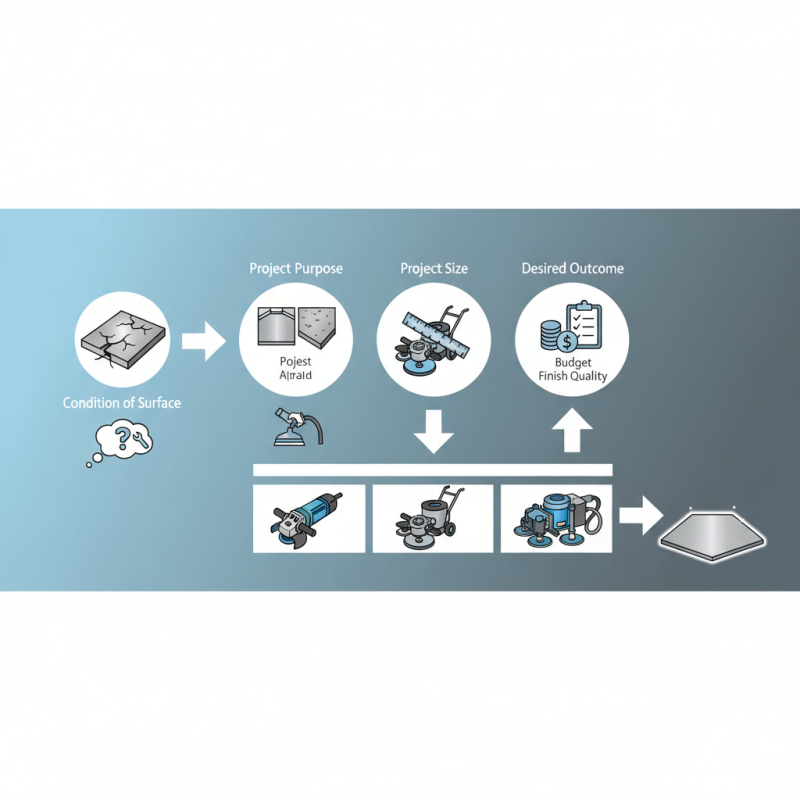
Choosing the right concrete grinding equipment is a crucial step for ensuring the success of your concrete surface preparation or finishing project. With various types of equipment available on the market, it can be overwhelming to determine which option best suits your specific needs. Understanding the purpose of your project, the condition of the concrete surface, and the desired outcome are essential factors that will guide your selection of concrete grinding equipment.
When evaluating different options, consider the size of the area you need to grind, the level of finishing required, and your budget constraints. The type of concrete grinding equipment ranges from small handheld grinders for minor repairs to larger floor grinders for expansive surfaces. Each type has its own benefits and ideal applications, making it important to assess your project requirements thoroughly. Ensuring that you select the right equipment not only affects the efficiency of your work but also plays a significant role in achieving a smooth, professional-looking finish that meets your expectations.
Understanding the Different Types of Concrete Grinding Equipment
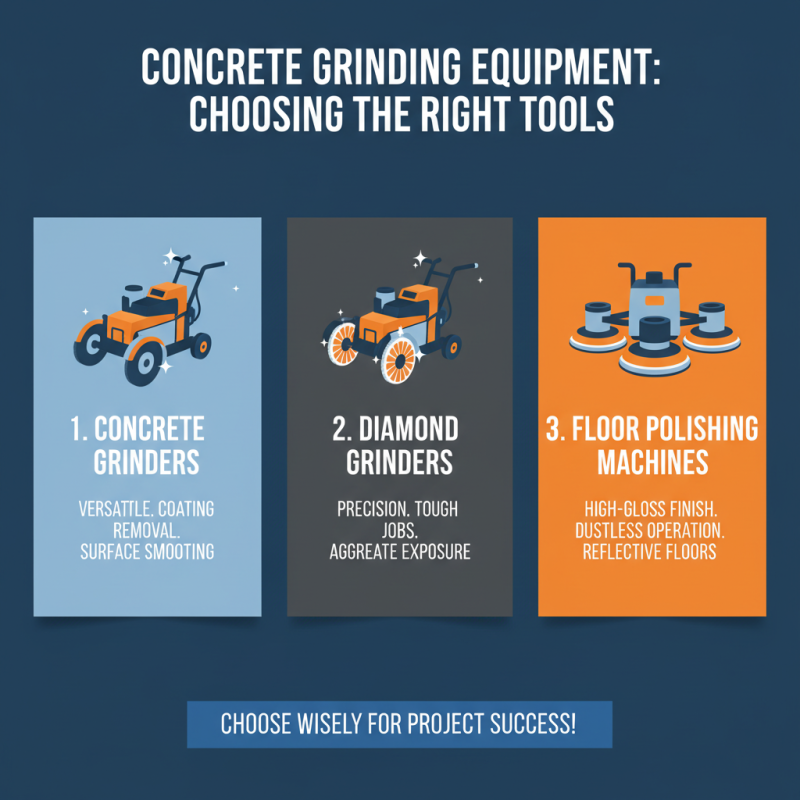
When it comes to concrete grinding, choosing the right equipment is essential for achieving the best results for your project. Understanding the different types of concrete grinding equipment available can help you make an informed decision. There are primarily three types of machines: concrete grinders, diamond grinders, and floor polishing machines. Concrete grinders are versatile and suitable for removing coatings and smoothing surfaces. Diamond grinders, equipped with diamond-tipped blades, are ideal for tougher jobs where precision is key.
Tip: Always assess the scope of your project before selecting your equipment. For smaller jobs, a handheld grinder might suffice, while larger areas may require a ride-on or walk-behind grinder for efficiency.
Another important factor to consider is the type of concrete you are working with. Softer concrete may require less aggressive tools, whereas harder mixtures will demand more robust grinding machines. Additionally, consider whether you need a machine that can handle dry grinding or one that operates with water to minimize dust and improve visibility.
Tip: Make sure to factor in the dust collection system when choosing your equipment, as effective dust management is critical for both safety and a cleaner workspace.
Assessing Your Project Needs and Requirements
When assessing your project needs and requirements for concrete grinding, the first step is to evaluate the scope and nature of the work. Consider factors such as the size of the area to be grinded and the condition of the existing concrete surface.
Are you dealing with minor surface imperfections or deeper cracks and stains?
The answers to these questions will help you determine the type of equipment needed, whether it be a compact grinder for smaller spaces or a larger machine capable of handling extensive floor areas.
Additionally, the type of finish desired will influence your equipment choice. Different grinding tasks, such as polishing concrete to achieve a glossy finish or preparing a surface for coating, require different tools and abrasives.
It's also essential to factor in the level of power and agility required; a heavier machine may provide more efficiency for large, open areas, while a lighter, more maneuverable option might be ideal for tight corners and intricate designs.
By carefully assessing these project specifics, you can ensure that you choose the right concrete grinding equipment for optimal results.
Evaluating Key Features of Concrete Grinders
When selecting concrete grinding equipment, evaluating key features is essential to ensuring that the machine meets the specific needs of your project. One of the primary considerations is the power of the grinder, typically measured in horsepower. A more powerful grinder can handle tougher tasks and larger surfaces, which is particularly beneficial for commercial applications. According to industry reports, grinders with at least 5 horsepower are recommended for heavy-duty operations, while those with lower power ratings are better suited for residential projects.
Another important feature to consider is the type of grinding heads used. There are various options available, including diamond and carbide heads, each serving different purposes. Diamond heads are known for their durability and efficiency in removing tough materials, while carbide heads are ideal for more versatile tasks such as surface preparation. Reports highlight that selecting the right head can improve productivity by up to 25%, making it a crucial factor in equipment selection.
Tips: When choosing a concrete grinder, always assess the weight and maneuverability of the machine. A heavier grinder provides more stability and power, while lighter models are easier to handle in tight spaces. Additionally, consider the dust control features of the grinder. Effective dust containment systems not only provide a cleaner work environment but also ensure compliance with safety regulations, as dust can be a significant health hazard on job sites. Investing in equipment that integrates advanced dust control can enhance both safety and performance.
How to Choose the Right Concrete Grinding Equipment for Your Project - Evaluating Key Features of Concrete Grinders
| Feature |
Importance |
Recommended Type |
Notes |
| Motor Power |
High power is needed for tough surfaces |
7.5 HP or Higher |
Look for machines that can handle heavy-duty jobs |
| Grinding Width |
A wider grinder covers more surface area quickly |
20 inches or More |
Ideal for larger residential or commercial jobs |
| Dust Control |
Essential for maintaining air quality and clean up |
Built-in Dust Collection System |
Minimizes mess and health risks |
| Weight |
Heavier grinders provide more stability |
Over 300 lbs Preferred |
Helps with even pressure application |
| Adjustable Speeds |
Different surfaces require different speeds |
Variable Speed Control |
Allows for versatility on various projects |
Comparing Budget Options for Renting vs. Buying Equipment
When it comes to concrete grinding projects, one of the first decisions contractors and DIY enthusiasts face is whether to rent or buy the necessary equipment. Renting often presents a more budget-friendly option, especially for those who only require the machinery for a short period. Rental services typically offer a wide range of equipment, allowing users to select tools that fit their specific project needs without the significant upfront investment. Moreover, maintenance and repair costs are often covered by rental companies, which can lead to further savings.
On the other hand, purchasing concrete grinding equipment may be more advantageous for those who frequently undertake similar projects or require specific tools that are not easily available for rent. Owning equipment not only saves rental fees in the long run but also allows for flexibility in scheduling work. Furthermore, buyers can customize their tools and invest in higher-quality options that enhance their efficiency and effectiveness over time. Ultimately, the choice between renting and buying hinges on budget constraints, project frequency, and the specific needs of the task at hand.
Safety Considerations When Using Concrete Grinding Tools
When using concrete grinding tools, prioritizing safety is essential to protect both the operator and bystanders. Personal protective equipment (PPE) should be the first step in this process. Workers should wear safety glasses to shield their eyes from debris and dust, as well as hearing protection to mitigate the noise generated by grinding machines. Additionally, dust masks or respirators are critical in preventing respiratory issues caused by inhaling fine concrete dust, which can be hazardous over prolonged exposure.
Ensuring a clutter-free work environment is another vital safety consideration. Any obstacles or debris present in the workspace can not only hinder the grinding process but can also lead to tripping hazards. It's important to secure loose cords and tools, and to keep the work area well-lit. Moreover, operators must receive proper training on equipment usage to understand the machine's features and limitations, as well as the correct handling procedures to minimize risks. Regular maintenance of the grinding equipment will not only extend its lifespan but also enhance safety by ensuring all parts function correctly and efficiently.
Concrete Grinding Equipment Comparison
This chart illustrates the power specifications of various concrete grinding equipment. Understanding the power of different tools can help you choose the right equipment for your project while ensuring safety during operation.