How to Choose the Right Water Tanker Truck for Your Needs?
Choosing the right Water Tanker Truck can significantly impact your operations. Expert John Smith, a renowned figure in the transportation industry, emphasizes, "Selecting a proper tanker can save you time and money." His insight underscores the importance of making informed choices.
Water Tanker Trucks vary in design and function. Each type serves different needs, whether for construction, agriculture, or municipal services. The right choice relies on understanding your specific requirements. For instance, consider how much water you need to transport. Different trucks have varying capacities, affecting efficiency.
It's also critical to evaluate the terrain where the truck will operate. Some models excel on rough surfaces, while others are better suited for highways. Reflecting on these factors can lead to smarter decisions. Often, buyers rush into a choice without thorough analysis, leading to future regrets. Don't overlook the importance of consultation with industry experts. Their advice can steer you towards the best options available.
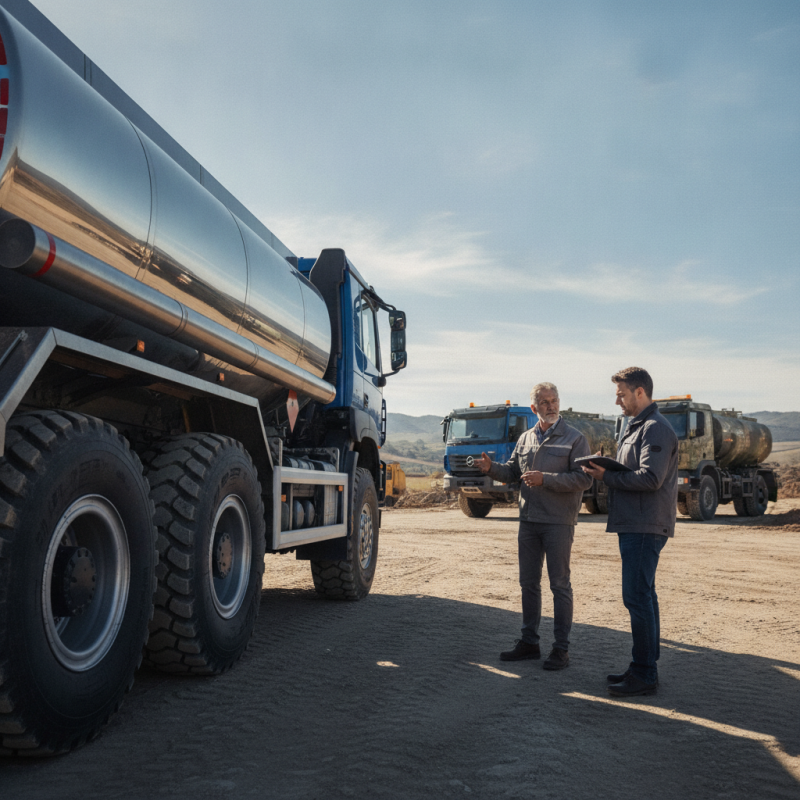
Understanding the Different Types of Water Tanker Trucks Available Today
When choosing a water tanker truck, it’s essential to understand the different types available today. Each type serves specific needs and industries.
Belly tanks are popular for agricultural use. They are wide and stable, offering a large capacity for irrigation. Their design allows for easy loading and unloading.
For construction sites, a vacuum water truck can be beneficial. This type efficiently collects and transports wastewater. It ensures that work sites remain clean and free of potential hazards.
Another option is the fire tanker truck. These trucks are equipped with powerful pumps to deliver water rapidly during emergencies. They are crucial for firefighting operations.
It’s important to consider tank material, capacity, and pump capabilities. Misjudging these details can lead to inefficiency. Always reflect on your specific requirements before making a decision.
Evaluating Your Water Transportation Needs: Capacity and Frequency Considerations
When evaluating your water transportation needs, consider both capacity and frequency. The average capacity of water tanker trucks ranges from 1,000 to 3,000 gallons. Estimate your daily water requirements to identify the best capacity fit. For example, if your operations require 2,000 gallons daily, a truck with a capacity of 2,500 gallons allows for some flexibility.
Frequency is another crucial factor. Some applications demand multiple trips daily, while others may only require weekly services. If you need daily transport of water, select a truck that can handle larger loads, reducing delivery frequency and cost. Many experts recommend analyzing usage patterns over a month to determine actual needs.
Tips: Always calculate peak usage periods to avoid shortages. Adjust based on seasonal variations, especially in agricultural settings. Lastly, think about future needs. As your operations grow, a larger tanker may be necessary, so choose a model that can scale with you.
How to Choose the Right Water Tanker Truck for Your Needs?
| Criteria | Description | Recommended Value |
| Tank Capacity | Determine how much water you need to transport on average. | 2,000 - 10,000 liters |
| Frequency of Use | How often do you need water delivery? Daily, weekly, or monthly? | Weekly |
| Distance of Delivery | Average distance from the water source to the delivery point. | 20 km |
| Water Type | Is the water for potable or non-potable use? | Potable |
| Budget | Total budget for water tanker acquisition and maintenance. | $50,000 - $100,000 |
| Regulatory Compliance | Ensure the tanker meets local and national regulations. | Required |
| Delivery Time | Average time taken to complete a water delivery. | 2 hours |
| Maintenance Frequency | How often does the tanker require servicing? | Every 6 months |
Key Specifications to Consider: Tank Material, Size, and Pumping Options
Choosing the right water tanker truck involves paying close attention to key specifications. When selecting the tank material, consider its durability and compatibility with the intended use. Common materials include stainless steel and polyethylene. Research shows that stainless steel is preferred for hauling potable water due to its resistance to corrosion. In contrast, polyethylene is lightweight and cost-effective for agricultural uses. Understanding these options can guide better choices.
Tank size is crucial, too. The size directly affects the volume of water transported. A report from the Water and Wastewater Equipment Manufacturers Association indicates that common capacities range from 1,000 to 5,000 gallons. Depending on your needs, a smaller tank may suffice for local deliveries, while larger tanks suit construction sites. Balancing size with operational efficiency simplifies the decision.
Pumping options must also be factored into your selection. Different pumps offer various flow rates, affecting how quickly water is delivered. High-capacity pumps can move substantial amounts quickly but may lead to higher operational costs. Understanding the specific requirements of your operations helps determine the best fit. A clear reflection on these elements cultivates a more informed decision-making process.
Assessing Regulatory Compliance: Licensing and Environmental Standards
When selecting a water tanker truck, regulatory compliance is key. Licensing requirements differ by region. It's crucial to check your local regulations. Some areas mandate specific certifications. Failure to comply can result in significant penalties. Regular updates to environmental standards can impact how you operate.
The Environmental Protection Agency (EPA) provides guidelines on emissions. Studies show that trucks adhering to EPA standards can reduce air pollutants by 30% or more. Choosing a compliant vehicle can boost your business's reputation. It builds trust with clients who prioritize sustainability.
However, navigating these regulations can be complex. Many operators find themselves overwhelmed by the changing landscape of laws. It's important to stay informed and seek expert advice. Underestimating this aspect may lead to operational disruptions. Compliance isn’t just a checkbox; it’s integral to long-term success.
Water Tanker Truck Compliance Assessment
Budgeting for Your Water Tanker Truck: Costs of Purchase and Maintenance
When budgeting for a water tanker truck, there are multiple costs to consider. The purchase price is the most obvious expense. Depending on the size and specifications, costs can range significantly. For smaller models, prices may start at around $20,000, while larger trucks can exceed $100,000. It’s crucial to align your choice with your operational needs.
Maintenance is another critical factor. Regular repairs and servicing play a role in long-term costs. Spare parts can be expensive, and labor charges may vary based on location and complexity. Routine inspections are essential to avoid costly breakdowns. Many truck owners overlook this aspect, leading to financial strain.
Fuel efficiency should also not be neglected. A less efficient truck will inevitably increase operational costs over time. Understanding the fuel consumption rate can help in crafting a realistic budget. Reflecting on these elements will guide you in making an informed decision. Each choice impacts your financial health and operational capacity.
