How to Choose the Best 3D Resin for Your Projects?
Selecting the right 3D resin for your projects can be challenging. The market has exploded, with thousands of options available. According to a recent report by Grand View Research, the global 3D printing materials market, which includes resins, is expected to reach USD 5.5 billion by 2025. This rapid growth underlines the importance of making informed choices.
Different projects require specific resin properties. Some resins are ideal for fine details, while others are better for durability. A study by the 3D Printing Industry found that nearly 32% of users faced issues with resin quality. This emphasizes the need to consider factors such as flexibility, cure speed, and resolution when choosing 3D resin.
It’s essential to reflect on your project requirements. Every resin has strengths and weaknesses. For instance, some may not cure completely or may not be suitable for intricate designs. Evaluating user feedback and test results can guide you toward the best choice. Investing time in understanding these aspects could significantly improve your 3D printing experience.
Understanding the Different Types of 3D Resins Available
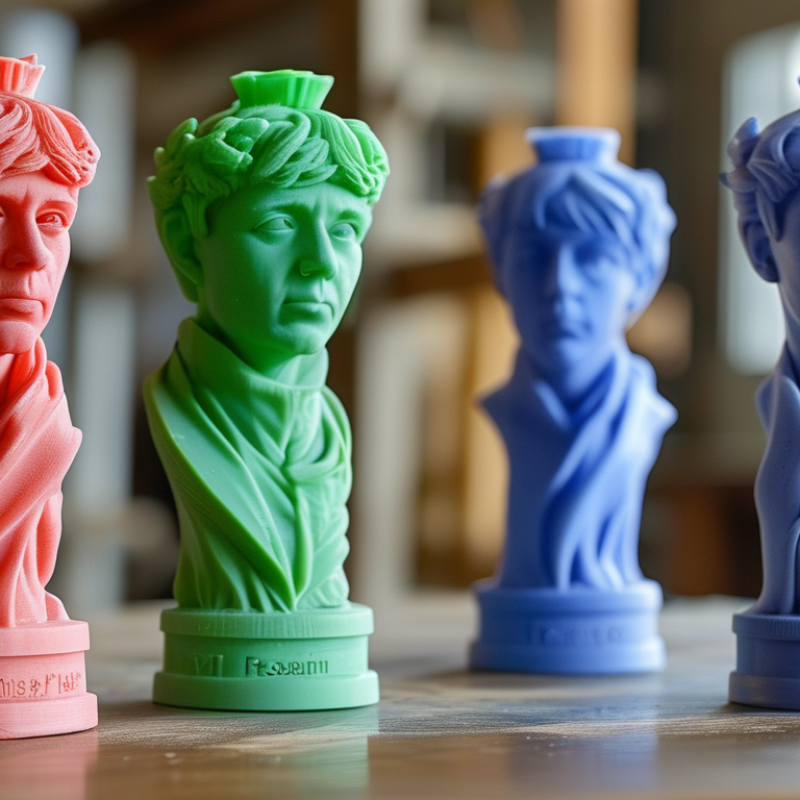
Choosing the right 3D resin can significantly impact your projects. Understanding the different types of resins can clarify which one suits your needs. Photopolymer resins, for instance, cure when exposed to UV light. They are ideal for high-detail prints but often lack flexibility. If you're working on intricate designs, these resins provide excellent precision and surface finish.
Another type is water-washable resin. This option appeals to many hobbyists. It simplifies the cleaning process after printing, using just water instead of harsh chemicals. However, it may not have the same strength as traditional photopolymer resins. If durability is crucial, this could be a drawback. Additionally, some users may find the curing process less clear.
Flexible resins are another consideration. These allow for bending and stretching, making them suitable for specific applications like prototypes. However, they tend to require more careful handling. Each type has distinct characteristics and potential issues to ponder. Evaluating your project requirements and the resin's properties is essential for a successful outcome.
Key Properties to Consider When Selecting 3D Resin for Projects
When selecting 3D resin for projects, several key properties must be examined. Mechanical strength is essential. A report by the American Society for Testing and Materials (ASTM) highlights that resins with higher tensile strength provide durability, particularly for functional parts. Look for resins that exceed 30 MPa in tensile strength for demanding applications.
Another important factor is curing time. Fast-curing resins can significantly increase productivity. A study indicates that resins taking under 20 seconds to cure can lead to a 40% boost in overall printing efficiency. Consider the environmental impact as well. Some resins may contain harmful chemicals, making safe handling crucial. Always verify that the resin is compliant with relevant safety standards to ensure a safe working environment.
Color stability is often overlooked. Resins that retain color without fading or yellowing over time will maintain the aesthetic appeal of your projects. Many users report dissatisfaction with fading colors after exposure to UV light, which points to the need for careful selection based on specific project requirements. Understanding these properties helps in making an informed decision that balances performance and safety.
Comparison of Key Properties of 3D Resins
Assessing the Intended Use and Application of 3D Printed Objects
Choosing the right 3D resin starts with understanding the intended use of your printed objects. For instance, objects requiring high durability should use tough and impact-resistant resins. The application may vary; prototypes often need flexibility, while end-use parts demand rigidity. According to a recent report from Credence Research, the global 3D printing materials market is expected to grow significantly, driven largely by the demand for specific applications.
Furthermore, the characteristics of resins can significantly affect performance. For example, dental applications require biocompatible materials. Studies indicate that about 70% of dental practitioners prefer resins that ensure safety and efficacy. However, not all resins perform equally in terms of detail and finish. Some may shrink post-printing, affecting precision. This is where careful consideration is needed; a high-detail print may not hold up under stress if the wrong resin is chosen.
Ultimately, it is essential to strike a balance between the resin’s mechanical properties and its suitability for the specific project. Many users report frustration when their chosen materials do not meet expectations. Therefore, reflect on your project needs. Conduct thorough tests to gauge the resin performance. With the right assessment, you can significantly enhance the outcome of your 3D printing projects.
Evaluating Cost-Effectiveness and Budget Constraints for 3D Resin
When evaluating cost-effectiveness for 3D resins, it’s essential to analyze both upfront and long-term costs. According to a 2023 industry report, the average price of high-quality 3D resin ranges from $30 to $60 per liter. While cheaper options may save money initially, they often compromise print quality or durability. A project requiring more frequent prints may benefit from investing in premium resin, even if the initial cost is higher.
Budget constraints significantly impact resin selection. Many hobbyists or small businesses operate on limited budgets. It's crucial to weigh the potential for print failures against material costs. A lower-cost resin might seem appealing, but if print failures lead to wasted time and resources, it could result in higher overall expenses. A study found that nearly 25% of low-cost resin users reported increased waste due to unsatisfactory print outcomes.
The process of choosing the right resin isn't just about the bottom line. Quality control can vary significantly between producers. Optimizing your budget may require experimenting with different resins. Gather data from various sources, keeping an eye on user reviews and case studies. Balance the initial price with the reliability and outcome quality of the resins you choose. Overall, understanding and reflecting on these factors is crucial for successful projects in 3D printing.
How to Choose the Best 3D Resin for Your Projects?
| Resin Type | Cost per Liter (USD) | Curing Time (minutes) | Strength (MPa) | Application | Color Options | Recommended for Beginners |
| Standard Resin | $30 | 10 | 50 | Prototyping | Clear, Grey | Yes |
| Durable Resin | $50 | 15 | 70 | Functional Parts | Black, White | No |
| Flexible Resin | $60 | 20 | 30 | Gaskets, Seals | Transparent, Yellow | No |
| castable Resin | $70 | 25 | 80 | Jewelry Making | White | No |
Expert Tips for Testing and Comparing Various 3D Resins
When delving into the realm of 3D printing, selecting the right resin is crucial. Testing and comparing various 3D resins can influence the outcome of your projects significantly. Data suggests that over 70% of users reported issues like warping or poor adhesion when using mismatched resins. One effective approach is to experiment with small batches of each resin. This method allows for the evaluation of properties like viscosity, curing times, and finish without committing to a large supply.
Another aspect to consider is the mechanical strength of the resin, which varies widely among products. According to a recent industry report, resins with high tensile strength outperform standard resins by up to 30% in stress tests. Understanding the type of prints you want is essential. For instance, models requiring intricate details benefit from low-viscosity resins, while those needing durability should prioritize high-impact options.
Observing how each resin behaves during the printing process can inform better choices in the long run. Many users find that the first few prints often reveal flaws in the resin’s properties, leading to unexpected results. Documenting these experiences helps refine your selection in the future. Being critical of your initial trials opens up avenues for learning and improvement in your 3D printing endeavors.
