Choosing the right polisher machine can greatly impact your project’s success. Mark Thompson, a well-known expert in the polishing industry, once stated, “The right equipment makes all the difference.” This insight rings true for both amateurs and professionals alike.
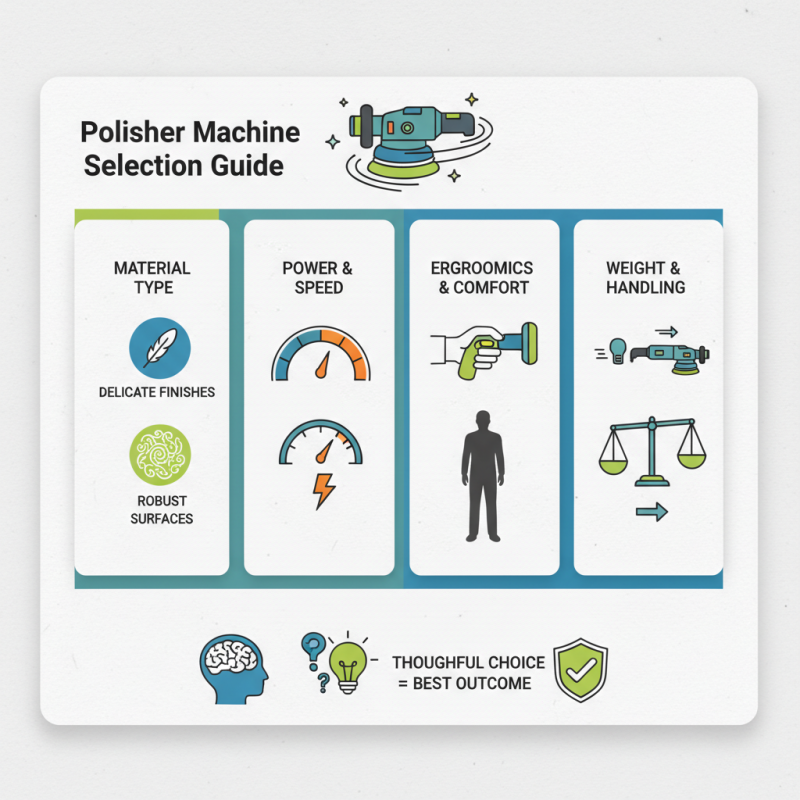
When selecting a polisher machine, various factors come into play. Consider the material you’ll be working with. Different surfaces require different polishing techniques. For instance, a delicate finish needs a gentler touch, while a robust surface may benefit from a more aggressive approach. Pay attention to power ratings and speed settings. A machine that is too powerful for your task can lead to damage.
Don't overlook the importance of user comfort. An ergonomic design can make a big difference during extended use. However, many users fail to test this aspect. Think about the weight and handling of the polisher machine. Choosing the wrong type can lead to fatigue and poor results. Rushed decisions often lead to regrets down the line. Aim for a thoughtful, informed choice to achieve the best outcome.
When selecting the right polisher machine, understanding the types available is crucial. There are several types, each designed for specific tasks. Orbital polishers are great for beginners. They are user-friendly and produce a smooth finish. You can easily use them on cars or boats. However, they may not provide the high gloss some professionals seek.
Rotary polishers offer more power and speed. They work well for deep scratches and heavy oxidation. But they require skill to handle. Without proper technique, they can damage the surface. It’s vital to practice before tackling important projects. Dual-action polishers combine the benefits of both types. They allow for effective correction while being safe for various surfaces.
Consider your needs carefully. Do you need a heavy-duty machine or something lighter? Think about the surfaces you'll be polishing. This decision will impact the results you achieve. Your choice should match your skill level too. Avoid jumping into a purchase without researching. Understanding each type’s characteristics helps in making an informed decision.
Choosing the right polisher machine requires a deep understanding of your specific needs. Are you polishing a car or a floor? Different applications demand different machines. For example, if you're focused on detailing a vehicle, a dual-action polisher may suit you better. These machines are less aggressive, which is great for beginners. They provide a safe way to achieve a glossy finish without the risk of damaging the paint.
Consider the size of the area you plan to polish. Large surfaces may benefit from a more powerful rotary polisher. However, these can be challenging for novices. It's crucial to weigh your experience against the tool’s capabilities. Understand that not all polishers are created equal. Some are heavy, while others are lightweight. Think about how long you’ll work with the machine. Comfort is essential to avoid fatigue.
Customize your choice further by assessing your preferences. Do you prioritize speed or precision? Finer finishes often take more time, while speed can lead to mistakes. Balance is key here. A perfect outcome is hard to guarantee; polishing can involve several attempts. Don’t expect flawless results on the first try. Embrace the learning curve, and your skills will improve over time.
When selecting a polisher machine, several key features deserve careful consideration. First, the motor power is crucial. A machine with a higher wattage generally provides more effective polishing results. Research shows that a motor with at least 600 watts can handle tough jobs more efficiently.
The type of polisher is another critical factor. There are rotary and orbital polishers. Rotary polishers shine surfaces quickly. However, they are less forgiving for beginners. Orbital polishers are easier to use and safer. They prevent swirl marks. Knowing your experience level is essential in making this choice.
Weight and ergonomics significantly impact user experience. A heavy polisher might cause fatigue. Comfortable grips can enhance control, leading to better outcomes. Studies indicate that ergonomic designs reduce the likelihood of repetitive strain injuries.
Finally, understanding the intended use is vital. Will it be for cars, floors, or furniture? Each application may require different pads and speed settings. Consider these aspects carefully. In the end, the right polisher should meet both your requirements and comfort levels.
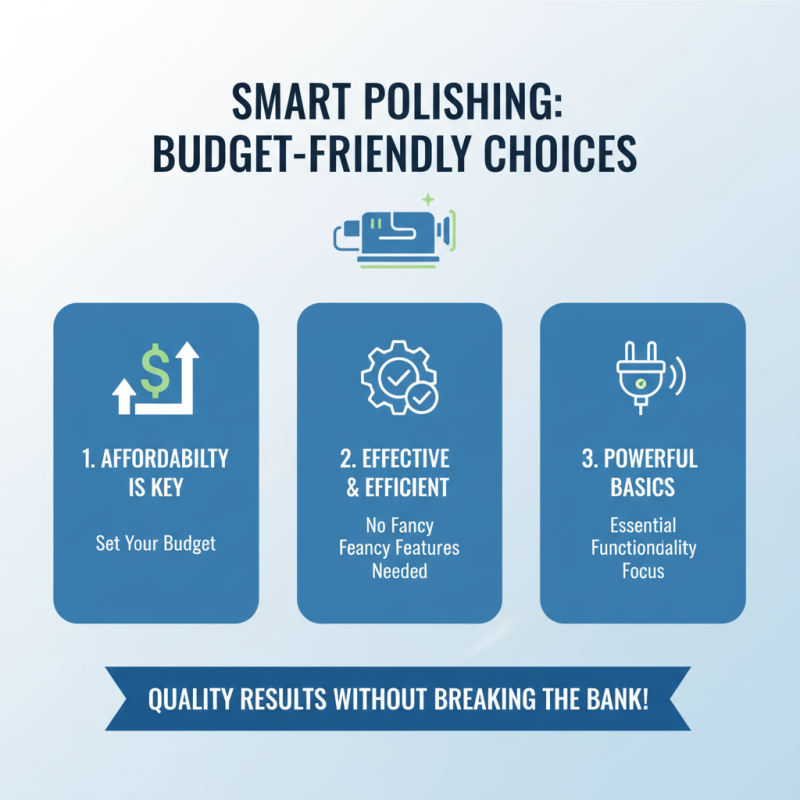
When selecting a polishing machine, budget is a crucial factor. Consider what you can afford. Many effective options exist that won’t break the bank. A basic model can serve your needs without fancy features. Powerful yet cost-effective machines often focus on essential functionality.
It's also vital to think about maintenance costs. Some machines require expensive pads or specific products. Investing in a cheaper machine might result in higher long-term expenses. Look for models that offer ease of use without extra costs.
Many users overlook their specific needs. Choose according to the surfaces you'll be polishing. Not all machines work well on every material. Knowing exactly what you need can save money and effort. Remember, spending less now might lead to more time wasted down the road. Make sure your final choice truly meets your requirements.
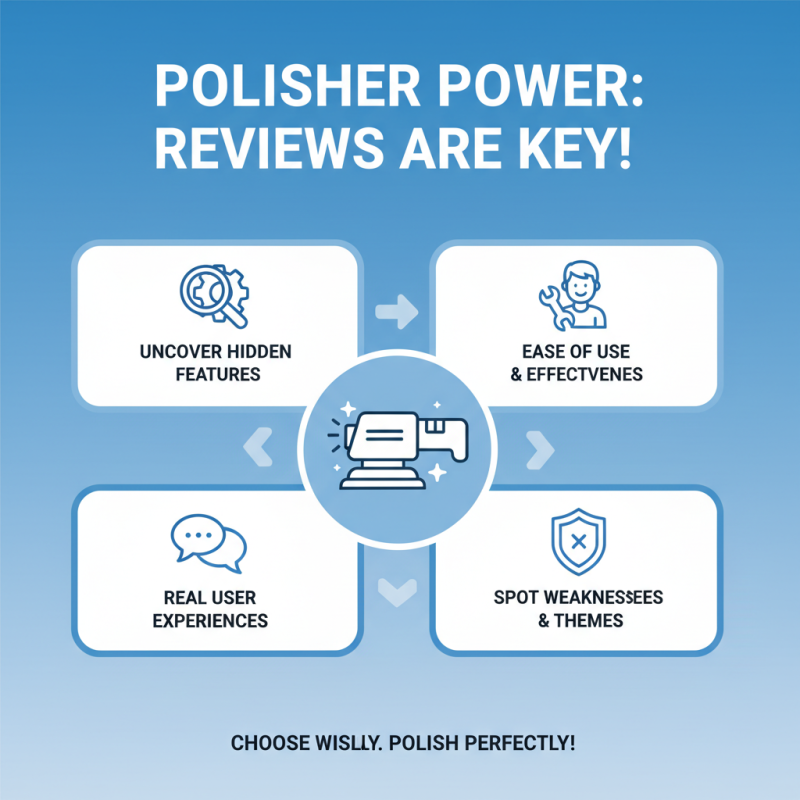
When searching for the right polisher machine, reading reviews is crucial. Many machines may look alike but perform differently. Reviews can highlight features you might overlook. They often mention ease of use and effectiveness. User experiences reveal the strengths and weaknesses of each model. Pay attention to common themes in reviews. A few negative comments can be enlightening.
Recommendations are another resource. Industry experts often test various machines. Their insights can guide you towards effective options. Look for recommendations on forums or blogs. Users share personal stories that offer valuable perspectives. However, be cautious. Some reviews might be overly positive or biased. Analyzing multiple sources can help you spot discrepancies.
It’s essential to consider your specific needs. Think about the surfaces you will be polishing. A machine suited for cars may not work well on floors. Check the weight and portability too. A heavy machine can be difficult to maneuver. Take time to reflect on what matters most. Ultimately, blending reviews and personal needs can lead to better choices.
| Cookie | Duration | Description |
|---|---|---|
| cookielawinfo-checkbox-analytics | 11 months | This cookie is set by GDPR Cookie Consent plugin. The cookie is used to store the user consent for the cookies in the category "Analytics". |
| cookielawinfo-checkbox-functional | 11 months | The cookie is set by GDPR cookie consent to record the user consent for the cookies in the category "Functional". |
| cookielawinfo-checkbox-necessary | 11 months | This cookie is set by GDPR Cookie Consent plugin. The cookies is used to store the user consent for the cookies in the category "Necessary". |
| cookielawinfo-checkbox-others | 11 months | This cookie is set by GDPR Cookie Consent plugin. The cookie is used to store the user consent for the cookies in the category "Other. |
| cookielawinfo-checkbox-performance | 11 months | This cookie is set by GDPR Cookie Consent plugin. The cookie is used to store the user consent for the cookies in the category "Performance". |
| viewed_cookie_policy | 11 months | The cookie is set by the GDPR Cookie Consent plugin and is used to store whether or not user has consented to the use of cookies. It does not store any personal data. |