How to Choose the Best Portable Chlorine Analyzer for Your Needs?
Choosing the right Portable Chlorine Analyzer can feel overwhelming. With various models available, each with unique features, it's essential to evaluate your specific needs. A high-quality Portable Chlorine Analyzer not only enhances water treatment processes but also ensures safety in swimming pools, drinking water, and industrial applications.
Understanding your requirements is critical. Consider factors like accuracy, ease of use, and battery life. Some analyzers offer real-time readings, while others may need calibration before each use. This can impact your workflow and efficiency.
Additionally, think about the reputation of the manufacturer. Reliable brands typically provide better customer support and warranties. Research user reviews and testimonials to gauge overall satisfaction and performance. Mistakes can happen, and not every device will meet expectations. By reflecting on your priorities, you can make a more informed choice.
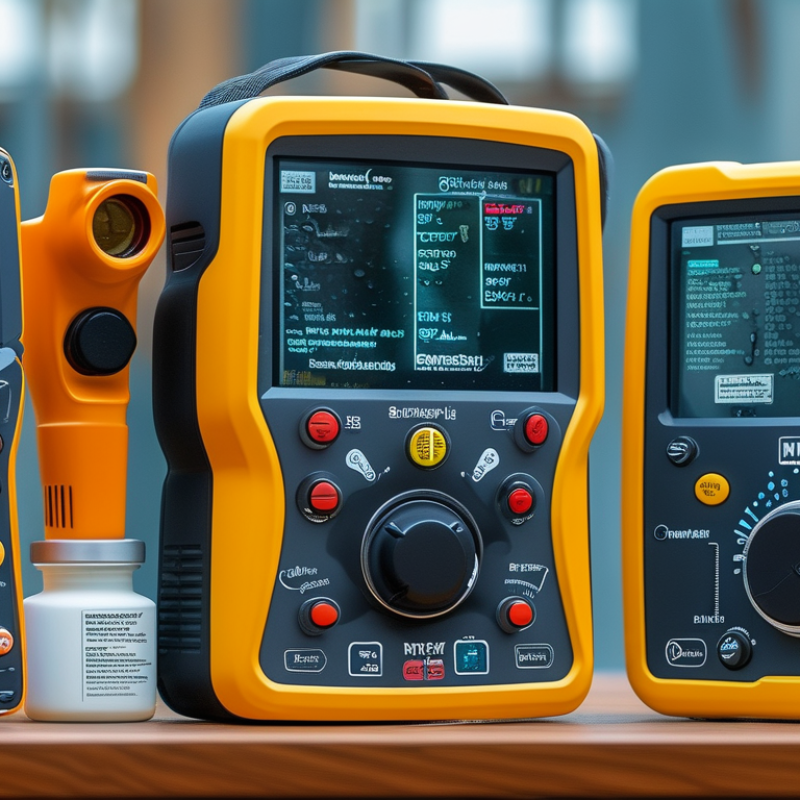
Factors to Consider When Selecting a Portable Chlorine Analyzer
When selecting a portable chlorine analyzer, several critical factors come into play. Accuracy is paramount. According to a 2022 industry report, devices with an accuracy range of ±0.01 ppm are preferred for precise measurements. Users should scrutinize the calibration process of the analyzer. Regular recalibration ensures reliable results, but many users overlook this step. It can lead to misleading data, especially in sensitive applications like swimming pools or drinking water.
Another key consideration is ease of use. A user-friendly interface can save significant time for professionals. An analysis from the Water Quality Association found that around 45% of users prioritize simple operation features. Portability is also essential. The weight and size of the device can affect on-site testing efficiency. Select units that weigh less than two pounds for better mobility. However, some compact models may sacrifice performance. A careful balance between portability and functionality is vital.
Finally, durability cannot be ignored. Many portable models face harsh environments. Rough handling can reduce their lifespan. Reports indicate that 30% of field testers experience equipment failures due to inadequate casing. Thus, look for analyzers with robust designs. Careful consideration of these factors will lead to better decision-making in selecting the right analyzer for specific needs.
Comparison of Portable Chlorine Analyzers - Key Features
This bar chart compares four portable chlorine analyzers based on their chlorine detection range and response time. The data illustrates the varying capabilities of each device, which can help potential buyers make informed decisions.
Types of Portable Chlorine Analyzers Available in the Market
When considering the types of portable chlorine analyzers available in the market, it’s essential to understand their various features and functions. Portable chlorine analyzers can generally be categorized into two main types: colorimetric analyzers and electrochemical analyzers.
Colorimetric analyzers work by measuring the intensity of color developed after a reaction. According to an industry report, these analyzers provide a rapid response time, making them ideal for on-the-spot testing.
Electrochemical analyzers offer another approach. They operate by measuring the electrical current generated during a chemical reaction involving chlorine. Recent data suggests that these devices can deliver high sensitivity and accuracy. However, their complexity may lead to maintenance challenges. Users often find themselves needing to recalibrate frequently, which can become an inconvenience.
In practical applications, users may struggle with the limits of detection and response times. Factors such as sample turbidity and temperature can also affect results. Many professionals report varying levels of satisfaction based on their testing environments. Studies indicate that nearly 30% of operators experienced issues with reliability and usability. Understanding these nuances is crucial when selecting the right analyzer for your specific needs.
Key Features to Look For in a Portable Chlorine Analyzer
When selecting a portable chlorine analyzer, attention to key features is essential. One crucial aspect is the measurement range. Different applications may require varying levels of chlorine detection. A versatile analyzer covers a wide range, which allows flexibility in different settings. Accuracy is another vital feature. Look for devices that provide reliable measurements, minimizing errors.
Ease of use is important. A user-friendly interface enhances efficiency, especially in fieldwork. Consider analyzers with clear displays and intuitive controls. Portability is equally significant; lightweight and compact designs allow for easy transport. Battery life should not be overlooked; longer battery life ensures fewer interruptions during testing sessions.
Durability matters too. Ensure the analyzer can withstand harsh conditions. This includes resistance to water and dust. Calibration features are often missed but are essential for maintaining accuracy. Regular calibration checks help ensure the analyzer performs well over time. Investing in these features enhances the reliability of your chlorine readings.
How to Choose the Best Portable Chlorine Analyzer for Your Needs? - Key Features to Look For in a Portable Chlorine Analyzer
| Feature | Importance | Example Specifications | Notes |
| Measurement Range | Essential for varying chlorine levels | 0-10 mg/L | Choose a range suitable for your application |
| Accuracy | Critical for reliable data | ±0.01 mg/L | High accuracy reduces uncertainty |
| Portability | Convenience for field use | Lightweight, compact design | Check weight and dimensions |
| Calibration | Maintains measurement reliability | Auto-calibration feature | Ease of calibration is vital |
| Display | Ease of reading results | Backlit LCD screen | Check for screen visibility in various conditions |
| Battery Life | Operational time between charges | Up to 50 hours | Longer battery life is preferable for fieldwork |
Understanding Calibration and Maintenance Requirements
When choosing a portable chlorine analyzer, understanding calibration and maintenance is crucial. Regular calibration ensures accurate readings, which is essential for water quality management. Studies indicate that poorly calibrated devices can produce errors exceeding 20%. This level of inaccuracy can lead to significant health risks and environmental issues.
Maintenance routines should be established to avoid equipment failures. A report by the Water Quality Association highlights that 25% of professionals neglect routine checks. This oversight can result in unexpected downtime and costly repairs. Users should be aware that even minor contaminants can affect the performance of the analyzer. Therefore, a consistent cleaning schedule is necessary.
While manufacturers often provide guidelines, users should adapt maintenance procedures to their specific situations. Individual environments can present unique challenges. Many professionals recommend documenting calibration and maintenance activities. This practice not only ensures compliance with safety standards but also provides a reliable history of the device’s performance.
Budget Considerations and Cost-Effectiveness of Portable Analyzers
Choosing a portable chlorine analyzer can be daunting. One of the main factors to consider is your budget. Portable analyzers vary greatly in price. High-end models may offer advanced features but also come with a hefty price tag. It’s essential to assess your needs carefully. Will a basic model suffice for your testing requirements? Or do you need one with additional functionalities?
Cost-effectiveness is another critical factor. Investing in a cheaper model might save money upfront, yet it may lack accuracy and durability. Consider the cost of replacement parts and maintenance. Poor performance can lead to more expenses in the long run. A model that initially seems affordable can become expensive if it requires frequent repairs or recalibrations.
Do your research on features that genuinely matter. Some analyzers offer quick results, while others require more time and effort. The speed of testing can be crucial for certain applications. Be aware that an analyzer’s reliability can fluctuate based on the environment. Regularly using a higher-quality analyzer can provide better long-term value. Reflecting on these factors is key to making an informed decision that aligns with both your budget and testing needs.
