How to Choose the Right Laboratory Coating Machine for Your Needs?
Choosing the right Laboratory Coating Machine can significantly impact your research and production capabilities. In today’s competitive environment, selecting the proper equipment is crucial. The right machine enhances efficiency and precision while reducing waste. It is essential to assess your specific needs to make an informed decision.
Laboratory coating machines come in various types and sizes. Each type has unique features tailored to different applications. For instance, some are ideal for pharmaceuticals, while others suit electronics. Understanding these differences is vital. Consider how each machine aligns with your requirements.
It’s easy to feel overwhelmed by the options available. Many users underestimate the importance of user experience with laboratory equipment. Investing in a machine without thorough research may lead to operational challenges. Reflecting on past experiences can help you choose wisely. Making an informed choice today can pave the way for future success with your laboratory coating needs.
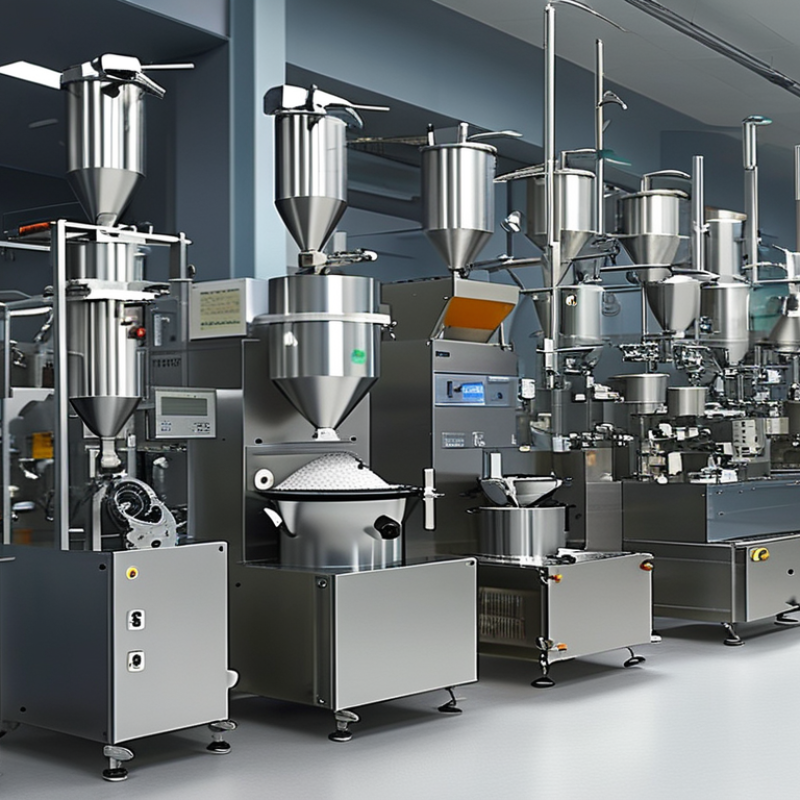
Factors to Consider When Selecting a Laboratory Coating Machine
When choosing a laboratory coating machine, several factors come into play. The type of materials you will coat is crucial. Different machines handle varying substrates differently. For example, a machine suited for polymers may not perform well with metals. Assess the compatibility to avoid wasting resources.
Another key factor is the machine’s coating method. Options include spray, dip, and roll coating. Each method has its strengths. Spray coating allows for thick, even layers. Dip coating, on the other hand, is effective for complex shapes. This choice impacts not only the quality but also the efficiency of your processes.
Don't overlook the machine’s size and capacity. Consider your workspace and production volume. A large machine may be tempting but could lead to inefficiencies in smaller laboratories. Moreover, assess the power consumption and maintenance needs. Sometimes, machines that seem advanced may require excessive upkeep, leading to unexpected expenses. Reflecting on these details will aid in making a more informed decision.
Types of Coating Machines Available for Laboratory Use
When selecting a coating machine for laboratory use, understanding the different types available is essential. Coating machines can range from simple dip coater systems to sophisticated spin coaters. According to a recent industry report, the global laboratory coating equipment market is projected to grow by 5% annually, driven by advancements in technology and materials science.
Dip coaters are ideal for uniform coatings on various substrates. They excel with viscous solutions, ensuring even coverage. In contrast, spin coaters are preferred for thin films in the semiconductor, optical, and biomedical industries. Their ability to control film thickness precisely has made them a staple in laboratories. However, they require careful adjustment for optimal performance, highlighting the need for user training and hands-on experience.
For those considering a coating machine, take the time to assess your specific needs. Look into the compatibility of different materials with your chosen equipment. Ensure the machine can handle the volume of work your lab requires. Regularly consult technical manuals to understand the maintenance protocols. This awareness helps avoid costly mistakes and extends the machine's lifespan. Optimal usage of coating machines greatly enhances research outcomes.
Evaluating Coating Machine Specifications and Features
When evaluating coating machine specifications, start by considering your production needs. Different applications require varying levels of precision and speed. For instance, some industries mandate uniform thickness, while others prioritize fast application. Understand your materials too. The viscosity and chemical composition can significantly influence the choice of machine.
Look at the features offered by different machines. Some machines come with advanced automation, which can reduce labor costs. Others may have manual controls for precise adjustments. Think about your team’s expertise. If your staff is less experienced, a user-friendly interface can mitigate potential errors. Be cautious of overly complex machines that might confuse operators.
Consider the maintenance requirements of each machine. Regular upkeep is vital for consistent performance. Machines that require specialized tools can lead to delays in production. Also, check the warranty and support options available. Reliable support can save time and money down the line. Every manufacturer has unique strengths, so research thoroughly. Make a list of must-have features versus nice-to-haves. This can clarify your decision-making process.
Understanding Cost vs. Quality in Laboratory Coating Equipment
Choosing the right laboratory coating machine involves more than just evaluating its cost. Price is an immediate concern, but quality is essential for long-term value. High-quality machines tend to deliver consistent results, reducing the need for frequent repairs. On the other hand, cheaper options may lead to more issues, impacting overall productivity.
When considering your budget, think about the total cost of ownership. It includes maintenance, repairs, and parts replacement. A lower-cost machine might save money initially but could become a financial burden later. Investing in quality equipment can pay off, as it often lasts longer and performs better.
Consider your specific needs. Not all machines are suitable for every application. Evaluate the materials you will use and the processes involved. This understanding can clarify the right machine for you. Additionally, review user feedback and expert opinions to gauge reliability. A machine that seems appealing could be unreliable in practice. Take time to compare options and think about your unique requirements.
Industry Standards and Compliance for Laboratory Coating Machines
When selecting a laboratory coating machine, compliance with industry standards is crucial. These machines must meet specific safety and operational guidelines to ensure reliability. Understanding these standards can prevent equipment failure and ensure optimal results in your laboratory processes. It’s advisable to familiarize yourself with both local and international regulations that pertain to laboratory equipment.
Tips: Always check for certifications and test reports. This can provide insights into the machine’s performance and adherence to industry norms. Regular audits of the equipment also help ensure ongoing compliance.
A reliable coating machine should not only adhere to safety standards but also optimize the coating process. Your choice should depend on aspects such as coating thickness, uniformity, and equipment maintenance. Reflect on your lab's specific workflow and capacity needs, as these will influence your decision.
Tips: Evaluate user feedback on performance issues. Engaging with other professionals can highlight underrated factors. Don't overlook the importance of training staff on new equipment.
How to Choose the Right Laboratory Coating Machine for Your Needs? - Industry Standards and Compliance for Laboratory Coating Machines
| Feature | Description | Industry Standards | Compliance Certifications |
| Coating Type | Spray, Dip, or Roll | FDA, ASTM | ISO 9001 |
| Application Area | Medical, Pharmaceutical, or Research | GMP, ISO 13485 | CE Marking |
| Automation Level | Manual, Semi-Automatic, Fully Automatic | IEC 61000 | RoHS |
| Machine Size | Compact, Standard, or Large | ASTM E2525 | UL Listed |
| Maintenance Requirements | Frequency and Complexity | EN 13485 | FDA Registration |
