How to Choose the Right Transport Vehicles for Your Needs?
Choosing the right transport vehicles for your needs can be a daunting task. Renowned transport expert, John Marshall, emphasizes, “Selecting the right vehicle impacts efficiency and cost.” Every business has unique transportation demands. Whether for delivery, logistics, or personal use, knowing your requirements is crucial.
Consider the type of goods you are moving. Different vehicles serve different purposes. For instance, if you are transporting sensitive items, a climate-controlled truck may be necessary. Alternatively, bulk materials require larger capacity vehicles. Understanding these details helps narrow your choices effectively.
Budget also plays a significant role. Affordable options often come with trade-offs. A cheaper vehicle might lack advanced features or durability. Reflecting on long-term costs is essential. Investing in quality transport vehicles pays off over time. Ultimately, the goal is to find a balance that meets both functional and financial demands.
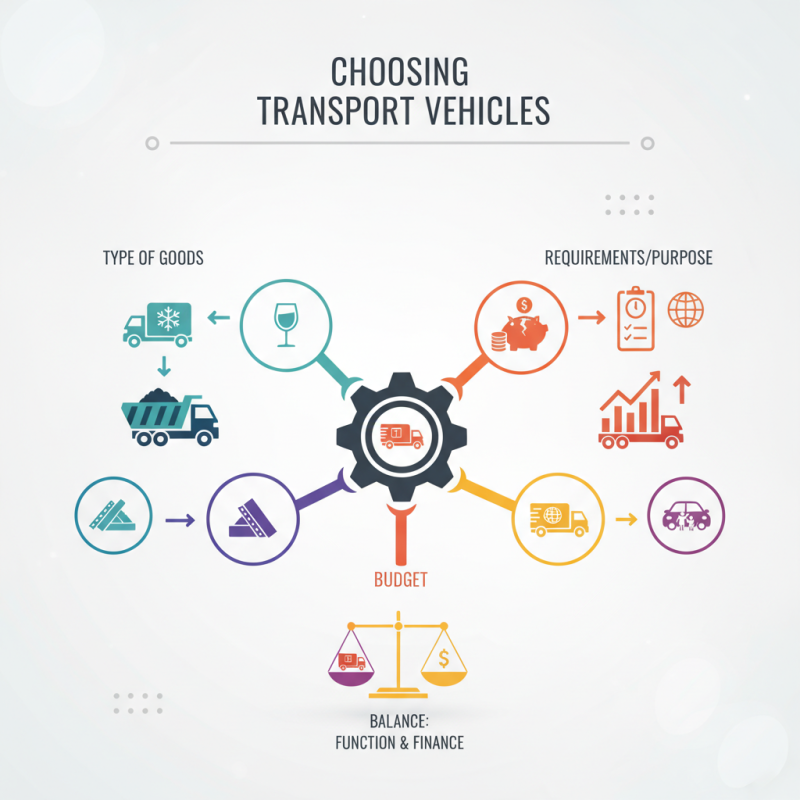
Factors to Consider When Choosing Transport Vehicles for Your Business Needs
When selecting the right transport vehicles for your business, several factors play a crucial role. Firstly, evaluate the type of goods you need to transport. Are they heavy, fragile, or perishable? This assessment helps determine vehicle size and type. For instance, a refrigerated truck may be vital for fresh produce.
Next, consider your budget. Costs vary widely across vehicle options. While newer models can be efficient, they often come at a higher price. Used vehicles may have hidden issues that could lead to costly repairs. Balancing budget and reliability is critical. Ensure maintenance history is transparent before making a choice.
Lastly, think about your operational area. Is it urban or rural? Different terrains require different vehicle capabilities. Vehicles that handle rough and uneven roads can reduce downtime. Assessing your specific needs is essential. Reflect on your choices and remain flexible in adjusting them as your business grows. Sometimes, the best decision is not the most obvious one.
Understanding the Different Types of Transport Vehicles and Their Uses
Choosing the right transport vehicle can be tricky. There are various types available, each serving different purposes. For instance, trucks are ideal for heavy loads while vans work well for smaller deliveries. Knowing their uses helps you make informed choices.
When selecting a vehicle, consider your specific needs. Do you require flexibility or capacity? A larger vehicle might seem tempting, but it can be costly. Small vans are often enough, especially for local deliveries. Think about fuel efficiency, too. A bigger vehicle might consume more fuel, impacting your budget.
Tips: Always analyze your daily transport requirements. This will guide you in selecting a vehicle that fits your routine. Also, keep maintenance costs in mind. Sometimes, a slightly older vehicle is cheaper to maintain than a brand-new one. Ensure that your choice aligns with your long-term needs, not just immediate convenience.
How to Choose the Right Transport Vehicles for Your Needs?
| Vehicle Type | Common Uses | Capacity | Fuel Type | Pros | Cons |
| Van | Delivery, passenger transport | Up to 15 passengers or 2000 lbs | Gasoline, Diesel | Versatile, spacious | Lower fuel efficiency |
| Truck | Freight transport, construction | Up to 40,000 lbs | Gasoline, Diesel | High payload capacity | Requires special licensing |
| Bus | Public transport, charter services | Up to 60 passengers | Diesel, CNG | Efficient for large groups | Limited by fixed routes |
| Motorcycle | Personal transport, recreation | 1-2 passengers | Gasoline | Great fuel efficiency | Less protection in accidents |
| Bicycle | Personal transport, exercise | 1 passenger | Human-powered | Eco-friendly, low cost | Limited to short distances |
Assessing Load Capacity and Weight Limitations for Optimal Vehicle Selection
When selecting transport vehicles, understanding load capacity and weight limitations is crucial. Different vehicles are designed for specific loads. A small van, for instance, may handle up to 1,500 pounds, while a larger truck can manage over 10,000 pounds. Knowing these limits ensures that you don’t exceed the vehicle's capabilities. Exceeding weight restrictions can lead to mechanical issues. It may also create safety hazards on the road.
Consider the type of cargo you handle. Are you transporting heavy machinery or lighter goods? If your load varies, versatile choices like box trucks could be beneficial. However, these vehicles might not be suitable for extremely heavy items. Be prepared to adjust your vehicle selection as your transport needs change. It’s important to reflect on past experiences, too. Have you ever had to deal with an overloaded vehicle? That might indicate a need for reevaluation.
Weather and road conditions can also impact your weight choices. A fully loaded vehicle may struggle in bad weather. Also, think about added equipment you might need. Towing a trailer requires additional capacity. Balancing all these factors helps in narrowing down the options. It’s a fine line between efficiency and safety. Regular reviews of vehicle performance can provide deeper insights into your choices.
Evaluating Fuel Efficiency and Cost-effectiveness in Vehicle Operation
When selecting transport vehicles, fuel efficiency and cost-effectiveness are key. Data shows that fuel costs can account for up to 30% of total vehicle operating expenses. Choosing a vehicle with better fuel efficiency improves your bottom line. Reports suggest that hybrid or electric vehicles can save up to 40% in fuel costs compared to traditional options. This can make a significant difference over time.
Analyzing fuel efficiency goes beyond just initial costs. Maintenance costs also play a role. For instance, vehicles that require more frequent servicing can negate initial savings on fuel. The average cost for vehicle maintenance can be as high as $500 annually. This highlights the need for thorough research. Factors such as vehicle longevity and service intervals should not be overlooked. Sometimes, opting for cheaper vehicles upfront leads to higher long-term expenses.
Relying solely on upfront costs could be misleading. A vehicle that appears cheaper might consume more fuel. This creates higher ongoing costs. Reports indicate that on average, businesses could face an additional 20% in operating costs with inefficient vehicles. Hence, it's crucial to consider the overall picture — balance the initial purchase price with potential fuel savings and maintenance needs for a truly cost-effective choice.
Analyzing Maintenance Requirements and Lifespan of Transport Vehicles
When selecting transport vehicles, understanding their maintenance requirements is crucial. Vehicles have different needs depending on their design and use. Regular maintenance can prevent costly repairs. A well-maintained vehicle performs better and lasts longer. Simple tasks like oil changes and tire rotations are essential. Neglecting these can lead to major issues later.
The lifespan of transport vehicles varies significantly. Factors include usage frequency and load capacity. Vehicles used daily for heavy loads age faster than others. Ideally, businesses should track their vehicles’ performance and maintenance history. Data can guide decisions on when to replace or upgrade. Investing in new vehicles is not always easy, and financial implications must be considered.
While some vehicles appear reliable, signs of wear can be deceiving. Frequent breakdowns may indicate underlying problems. Balancing short-term costs with long-term benefits can be tricky. Reflecting on past experiences can help in making better choices. Vehicles are an investment, and the right ones can yield significant returns when selected wisely.
Transport Vehicles Maintenance Requirements and Lifespan
This bar chart illustrates the estimated maintenance hours required per year for different types of transport vehicles. Properly understanding these requirements can help you make informed decisions when choosing the right transport vehicle for your needs.
