How to Choose the Right Wall Switch for Your Home?
Choosing the right wall switch for your home can feel overwhelming. With so many options available, it's easy to get confused. A wall switch is not just a functional device; it also impacts your home’s aesthetics and energy efficiency. Understanding these factors can help you make an informed decision.
Consider the style and finish of your chosen wall switch. It should complement your existing décor. Do you prefer a modern look or a classic design? Pay attention to the materials used as well. High-quality switches last longer and operate more reliably. Each detail counts in creating a cohesive look in your space.
Don't forget the technical features as well. Dimmer switches can enhance your lighting experience. Smart switches offer convenience and energy savings. However, they may require more thought in installation and compatibility. Reflect on what best fits your lifestyle and needs. Every choice matters in creating the perfect home environment.
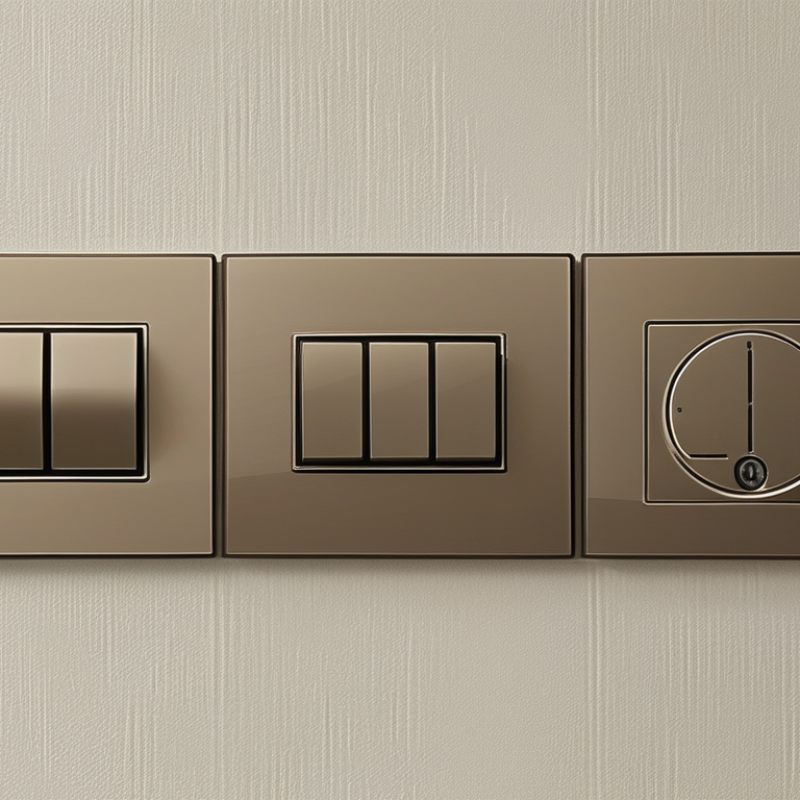
Understanding Different Types of Wall Switches Available for Home Use
When selecting a wall switch for your home, understanding the various types available is crucial. Traditional switches, dimmer switches, and smart switches are among the most common options. According to industry reports, about 30% of homeowners are upgrading to smart technology for convenience and energy efficiency. These modern switches allow for remote control and automation, making them appealing choices.
It’s important to consider the compatibility of each type with your home’s electrical system. Smart switches, for instance, may require a neutral wire, which older homes might lack. Dimmers can provide mood lighting, with studies showing that they can save up to 20% on energy costs when used effectively. However, not all bulbs work well with dimmers. Check compatibility before installation.
Choose a wall switch that reflects your needs. Aesthetics matter too; you do not want a switch that clashes with your decor. Look for styles that complement your interior design. Also, consider the installation process. Some switches may require professional help, adding to the project cost. Weigh these factors carefully to choose wisely, ensuring an efficient and stylish electric solution for your home.
Factors to Consider When Selecting a Wall Switch for Your Space
Choosing the right wall switch for your home involves several important factors. Start by considering the type of lighting you use. Different fixtures, such as LED or incandescent, may require specific types of switches. It’s essential to match the switch with your lighting to ensure functionality and safety. Compatibility can prevent flickering lights and prolong the lifespan of your bulbs.
Another factor is the design and finish of the switch. Wall switches come in various styles and colors. Opt for a design that complements your interior decor. A well-chosen switch can enhance the aesthetics of a room. Remember, an outdated switch can detract from the overall look of a modern space.
Reflect on your lifestyle needs as well. For instance, if you have young children, consider installing switches that are childproof. This simple choice can provide peace of mind. Think about your daily routines as well; dimmers might suit relaxation areas, while standard switches work well in utility spaces. Each detail matters in creating a practical and visually pleasing environment.
Compatibility with Lighting Fixtures and Home Automation Systems
When selecting wall switches, understanding compatibility with lighting fixtures is crucial. Not all switches work with every type of lighting. For instance, LED lights often require specific dimmer switches to operate effectively. A report from the U.S. Department of Energy suggests that improper compatibility can lead to flickering or reduced lifespan of bulbs. This issue arises when using standard dimmers with innovative LED technology.
Home automation systems add another layer of complexity. Many homeowners prioritize smart home integration, but not every switch supports all automation protocols. A survey conducted by the Consumer Technology Association indicates that around 50% of consumers experience challenges in integrating smart switches with existing setups. This can lead to frustrating user experiences. To avoid these challenges, verifying compatibility with your home automation platform is essential before purchasing new switches.
Investing in compatible switches can enhance energy efficiency and improve overall satisfaction. However, it’s important to be aware that compatibility doesn’t guarantee ease of installation. Some homeowners might find that existing wiring complicates the process. They may need professional assistance to ensure safety and functionality. Inadequate knowledge can lead to unexpected costs and issues.
Safety Features and Ratings to Look for in Wall Switches
When selecting wall switches for your home, safety features are crucial. The National Electrical Code (NEC) highlights the importance of using switches rated for specific applications. In residential settings, switches must adequately handle electrical loads. A typical residential wall switch should be rated for at least 15 amps. This rating ensures the switch can safely manage the current without overheating or malfunctioning.
Another vital aspect is the presence of safety mechanisms such as surge protection and ground fault circuit interrupters (GFCIs). GFCIs reduce the risk of electric shock, especially in areas with moisture, like kitchens and bathrooms. According to the Electric Safety Foundation International (ESFI), GFCIs prevent approximately 200 fatalities annually in the United States. It's worth considering that not all switches offer these safety features, so careful inspection is necessary.
Additionally, look for switches with indicator lights. They can confirm if a device is on. This feature is especially helpful in maintaining safety. However, even high-quality switches can become faulty over time. Regular inspections are essential. Users should be aware that wear and tear can affect performance, making it necessary to change them periodically. Neglecting maintenance may lead to safety hazards.
Wall Switch Safety Features Ratings
Installation Tips and Best Practices for Wall Switches in Your Home
When choosing wall switches, consider the installation process. Proper installation ensures safety and functionality. Ensure you have the right tools and materials before starting. This includes a voltage tester to prevent electrical shocks. Familiarize yourself with your home’s wiring system. This knowledge helps in connecting the switch correctly.
Proper placement of switches is critical. Install them at a height that’s accessible for everyone. Typically, a height of 48 inches from the floor works for most situations. Avoid placing switches in damp areas such as bathrooms without proper waterproofing. This can lead to electrical hazards and damages.
Test the switch after installation. Make sure it operates smoothly and that the lights respond correctly. If something feels off, double-check your connections. It's important to take your time and reflect on each step in your installation process. A rush can lead to mistakes or unsafe conditions. Safety should always come first when working with electricity.
