What is Cold Rolled Coil and Its Applications in Industries?
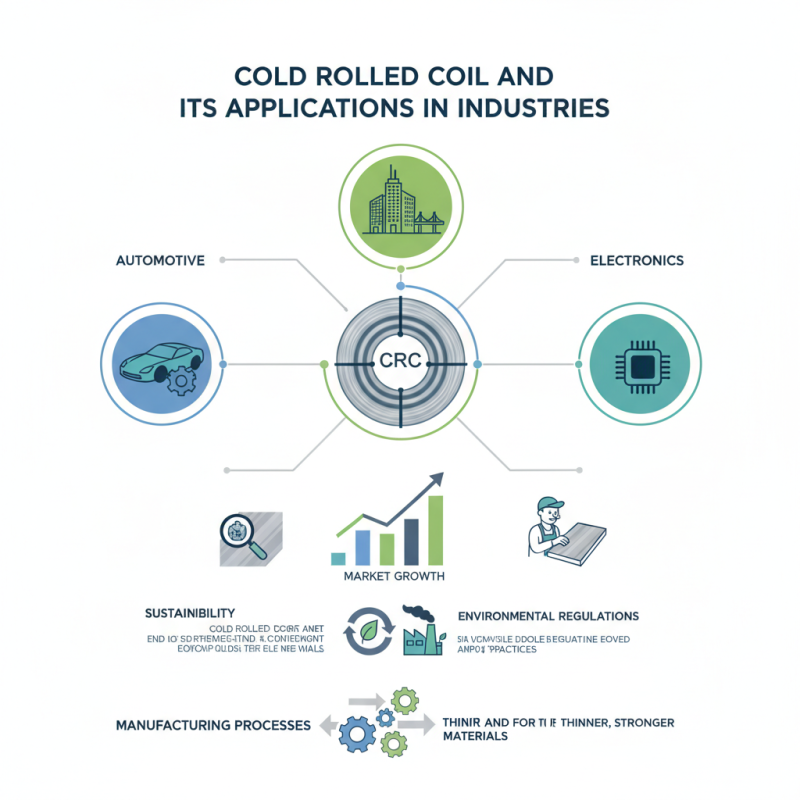
Cold Rolled Coil (CRC) is essential in various industries. It provides critical solutions in automotive, construction, and electronics. According to a report by Research and Markets, the global cold rolled steel market was valued at approximately $167 billion in 2021, with a projected growth rate of over 7% annually through 2028. This significant market evolution highlights the relevance of CRC in our modern economy.
Industry expert Dr. Jane Smith states, "Cold Rolled Coil is the backbone of many manufacturing processes." Her insight underlines the vital role that CRC plays in producing high-quality steel products. The demand for thinner, stronger materials continues to rise, pushing manufacturers to innovate. However, challenges persist, such as fluctuating raw material prices and environmental regulations that impact production practices.
As industries adapt, the focus on sustainability grows. CRC can be both efficient and environmentally friendly, yet some practices still need improvement. Organizations strive for better recycling processes and energy usage. Understanding the complexities of Cold Rolled Coil and its applications urges industries to evaluate their methodologies for a more sustainable future.
What is Cold Rolled Coil?
Cold rolled coil refers to steel that has been processed at room temperature. This method enhances its mechanical properties. The process involves rolling the metal into thin sheets, which are then cooled. The result is a smooth and uniform surface. This type of coil is utilized in various industries due to its versatility.
The cold rolling process can sometimes lead to imperfections. For example, surface defects may arise during manufacturing. Additionally, the steel can exhibit internal stresses. These factors can impact the overall performance of the material. It’s crucial to inspect each coil thoroughly before use.
Tips: Always check for surface quality when sourcing cold rolled coil. Look for any signs of rust or blemishes. Proper storage conditions are also essential to maintain quality. If you’re unsure, consult with an expert to avoid potential issues. Cold rolled coil is widely used in automotive, construction, and appliance sectors. Each application may require different specifications, making careful selection vital.
Manufacturing Process of Cold Rolled Coil
Cold rolled coil is a type of steel product that undergoes a specific manufacturing process. This process begins with hot rolled coil, which is then cooled at room temperature. After cooling, the coil passes through several steel rollers. These rollers reduce the thickness and improve the coil's surface finish. The end result is a stronger and more precise steel product.
During the manufacturing, controlling the temperature is crucial. Too much heat can lead to defects. Roll speeds and pressures must be monitored closely. Paying attention to these variables ensures quality. A good practice is to maintain regular inspections during production.
Tips: Always document the roller settings. This data can help troubleshoot future issues. It’s essential also to be aware of material quality before rolling. Impurities can impact the final product. Ensure proper storage of raw materials to avoid contamination.
Cold rolled coils find applications in various industries. These include automotive, construction, and appliances. Their thin gauges and smooth surfaces are ideal for components that require precision. However, achieving desired results can sometimes be challenging. Manufacturers should continually refine their processes to enhance efficiency and product quality.
Cold Rolled Coil Production Volume by Year
This chart illustrates the annual production volume of cold rolled coils from 2018 to 2023. The steady increase in production volume reflects the growing demand for cold rolled steel in various industries, including automotive and construction.
Properties and Characteristics of Cold Rolled Coil
Cold rolled coil is known for its unique properties and characteristics that make it invaluable in various industries. This steel product undergoes a cold rolling process, enhancing its strength and surface finish. The thickness can vary, but it is usually thinner than hot rolled steel coils. The surface is smooth and clean, making it perfect for applications requiring aesthetic appeal.
One of the notable characteristics is its dimensional accuracy. Cold rolled coil maintains tight tolerances, which is crucial in industries like automotive and construction. This precision can reduce machining and fabrication time. It’s often used for making parts where precise dimensions are vital. The coil is also flexible, allowing it to be shaped easily without cracking.
Tips: When working with cold rolled coil, consider the gauge carefully. Thinner gauges may require more care during handling. Always store coils properly to prevent rust. Remember, not every application suits cold rolled steel, so evaluate your project needs before choosing materials.
Common Applications of Cold Rolled Coil in Industries
Cold rolled coil is a vital material in many industries. Its smooth surface and high strength make it ideal for various applications. This type of steel is thinner and more precise than its hot-rolled counterparts. It often serves as a base metal for further processes.
In the automotive industry, cold rolled coils are widely used for producing car body panels. Their uniform thickness ensures effective forming without defects. However, manufacturers sometimes struggle with surface imperfections. These defects can affect the final product's quality, necessitating careful inspection and quality control.
The home appliance sector also relies on cold rolled steel for components like refrigerators and washing machines. The aesthetic finish improves the appeal of consumer products. Yet, sustainability concerns arise from steel production processes. Companies must find ways to reduce environmental impacts while maintaining quality standards. The challenges are real, but innovation may lead to better solutions in the future.
Advantages of Using Cold Rolled Coil in Production
Cold rolled coil (CRC) is a versatile material widely used in various industries. Its manufacturing process enhances its mechanical properties and surface finish. This makes CRC suitable for applications in automotive, construction, and appliance sectors. The precision in thickness provides manufacturers with a reliable option for their needs.
One significant advantage of using cold rolled coil is its superior dimensional accuracy. The tight tolerances ensure better fitting and less waste during production. Additionally, the surface quality is often smoother than hot rolled products. This is crucial for applications that require a fine finish. Cold rolled coil also exhibits enhanced strength due to the strain hardening process. This results in products that can withstand greater stress and pressure.
However, reliance on cold rolled coil may raise concerns. It can be more expensive than hot rolled alternatives. Not all projects may justify the extra costs. Additionally, the increased brittleness of cold rolled products can lead to challenges during fabrication. Certain designs may require adjustments. It's important to assess these factors to maximize the benefits of using cold rolled coil in production.
