What is Composite Fireproof Doors and Why Choose Them?
In today's construction industry, safety is paramount. Composite Fireproof Doors are essential for enhancing fire safety in buildings. These doors are designed to resist high temperatures and prevent fire spread. Renowned industry expert, Dr. Robert Finch, once remarked, "Composite fireproof doors blend safety with innovation, making them a vital choice for modern architecture."
Choosing composite fireproof doors can significantly enhance the security of any structure. Their lightweight yet robust design offers both protection and ease of installation. They are made from advanced materials, allowing them to withstand intense heat while maintaining structural integrity. This reflects a growing trend towards using smart materials in construction.
However, not all composite fireproof doors are created equal. Understanding the differences in quality and fire ratings is crucial. Investing in top-grade doors can make a substantial difference. Builders and architects must prioritize compliance with safety standards when selecting these doors. This decision impacts long-term safety and durability in building design.
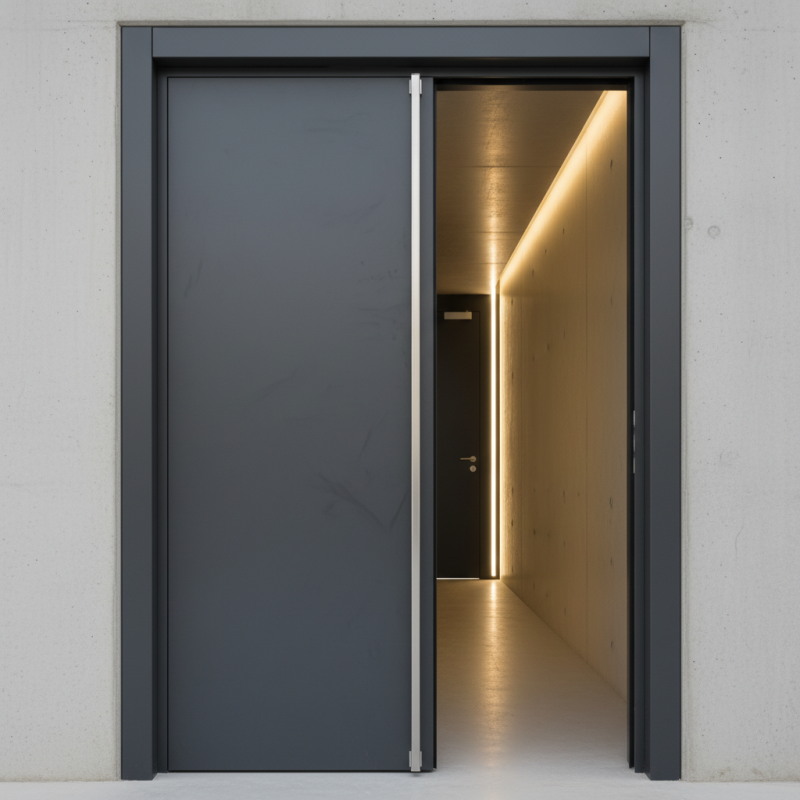
Definition and Composition of Composite Fireproof Doors
Composite fireproof doors are essential in modern building design. They combine several materials to enhance safety and durability. These doors often consist of a core made from fire-rated composites, like mineral cores, sandwiched between layers of steel or a robust fiberglass exterior. This construction not only improves fire resistance but also increases strength and insulation.
The effectiveness of composite doors lies in their unique composition. The fire-resistant core is designed to withstand high temperatures for extended periods. Steel or fiberglass outer layers add impact resistance, making the doors suitable for high-traffic areas. Despite their benefits, installation can be tricky. Proper fit and sealing are vital to ensure they perform as intended. Gaps may compromise their fire resistance.
Choosing composite fireproof doors can provide a balance of safety and aesthetic appeal. However, they require regular maintenance to uphold their effectiveness. Wood infill may warp over time, reducing performance. It’s essential to periodically check for wear and tear. All these factors contribute to the overall reliability of these doors in emergency situations.
Key Benefits of Using Composite Fireproof Doors
Composite fireproof doors offer numerous advantages. One key benefit is their fire resistance. Studies show that composite doors can endure high temperatures for extended periods. According to the National Fire Protection Association (NFPA), using fire-resistant doors can delay the spread of flames by up to 30 minutes. This delay is critical in emergencies, allowing safe evacuation.
Durability is another essential feature. Composite materials resist extra wear and tear. They can withstand dents, scratches, and other damages better than traditional doors. A report by the National Association of Home Builders (NAHB) highlights that composite doors last longer than solid wood doors. This durability reduces maintenance costs over time.
Moreover, composite fireproof doors are energy efficient. They provide excellent insulation, reducing heat loss in winter. The U.S. Department of Energy states that proper insulation can cut energy bills by 20%. However, not all doors are equal. Some products require careful choosing to ensure optimal performance. The market can be overwhelming, and not every option may meet safety standards. Choosing wisely is crucial for both safety and cost-effectiveness.
Comparison with Traditional Fire Doors
When comparing composite fireproof doors to traditional fire doors, several key factors emerge. Composite doors are made from a combination of materials, offering enhanced durability and resistance. In contrast, traditional fire doors often rely on a single material, like wood or metal, which may not provide the same level of protection.
One notable difference is the core construction. Composite fireproof doors typically have a fire-resistant core, which can withstand extreme temperatures for longer periods. This feature enhances safety in a fire emergency. Traditional doors might lack this, compromising their effectiveness. Additionally, composite doors can be engineered to meet specific safety standards, providing peace of mind to property owners.
Aesthetic appeal is another area where composite doors often excel. They come in various designs and finishes, fitting seamlessly into modern architecture. Traditional fire doors, while functional, usually focus on utility over appearance. However, not every composite door performs equally well. Some may fall short of expected fire ratings, emphasizing the need for careful selection and verification.
What is Composite Fireproof Doors and Why Choose Them? - Comparison with Traditional Fire Doors
| Feature | Composite Fireproof Doors | Traditional Fire Doors |
| Material | Made from a blend of materials including mineral cores. | Typically made from solid wood or steel. |
| Weight | Generally lighter due to composite materials. | Heavier and more cumbersome. |
| Fire Rating | Available in 30, 60, and 90 minutes ratings. | Usually available in 20, 60, and 90 minutes ratings. |
| Thermal Insulation | Better thermal insulation properties. | Moderate insulation, may require additional measures. |
| Cost | Typically more cost-effective in the long term. | Higher initial cost and maintenance expenses. |
| Maintenance | Low maintenance, resistant to rot and corrosion. | May require regular maintenance and treatment. |
Installation and Maintenance Considerations
Composite fireproof doors are designed for enhanced safety. Their installation requires proper planning and skilled labor. Precision is key. Installers must ensure a tight fit to prevent gaps that could compromise fire resistance. The frame and the wall must align seamlessly. Proper sealing around the edges is also essential for optimal performance.
Maintenance of these doors should not be overlooked. Regular inspections help identify wear and tear. Check hinges, locking mechanisms, and surface conditions. Issues can arise from environmental exposure or frequent use. Addressing minor problems before they escalate can save costs. It's wise to document maintenance routines and findings. This practice enhances reliability and ensures compliance with safety standards. While composite fireproof doors are durable, neglecting maintenance can lead to significant risks.
Regulatory Standards and Certifications for Fireproof Doors
Fireproof doors play a crucial role in building safety. They are designed to withstand high temperatures, slowing the spread of fire. Regulatory standards govern their construction and performance. In the United States, the National Fire Protection Association (NFPA) emphasizes compliance with specific fire ratings. These ratings indicate how long a door can resist fire—typically ranging from 20 minutes to 3 hours.
Certification is vital for ensuring fireproof doors meet safety standards. The Underwriters Laboratories (UL) and Intertek's Warnock Hersey are leading certification bodies. They test doors rigorously, providing assurance to builders and owners. According to industry data, buildings with certified fireproof doors report a 20% reduction in fire-related damages compared to those without. This highlights the importance of investing in compliant products.
Choosing composite fireproof doors also involves considering their construction materials. These doors can be made from wood composites, steel, or fiberglass. Their ability to resist fire while maintaining structural integrity is essential. However, not all doors claim the same level of fire resistance. Regular inspections are needed. Even certified doors may degrade over time, so maintaining standards is an ongoing challenge.
