Top Concrete Finishing Tools for a Perfect Surface in 2025
As the demand for high-quality concrete surfaces continues to rise in construction and landscaping industries, the importance of effective concrete finishing tools cannot be underestimated. According to a recent report by the International Concrete Association, the global market for concrete finishing tools is projected to reach $4.2 billion by 2025, driven by advancements in technology and an increasing emphasis on durable and aesthetically pleasing surfaces. This growth is indicative of the vital role that concrete finishing tools play in achieving both structural integrity and visual appeal.
Expert Joanne Carter, a renowned consultant in the concrete industry, emphasizes, "The right finishing tools not only enhance the durability of a concrete surface but also significantly improve its aesthetic quality." This underscores the necessity for contractors and builders to stay informed about the best tools available in the market to achieve optimal results. In 2025, the landscape of concrete finishing will undoubtedly evolve, highlighting innovations that cater to precision, efficiency, and user-friendliness.
As we delve into the top concrete finishing tools, we'll explore their features, functionalities, and the trends that are shaping the industry. By understanding the latest developments, professionals can make informed choices that lead to flawless concrete surfaces, meeting both industry standards and client expectations.

Essential Tools for Achieving Smooth Concrete Surfaces
Achieving a smooth concrete surface requires the right tools, and as we approach 2025, the industry is evolving with more advanced options. Essential tools for concrete finishing include trowels, floats, edgers, and screeds, each serving a specific purpose in the finishing process. According to the American Concrete Institute, using high-quality finishing tools can reduce labor time by up to 30%, allowing contractors to complete projects more efficiently while maintaining superior surface quality.
When working with concrete, it's crucial to pay attention to the timing of your finishing techniques. The optimal window for finishing work is typically when the concrete has just stiffened but is still workable, which is usually around 15 to 40 minutes after pouring, depending on the mix and weather conditions. This is where tools like magnesium floats and steel trowels come into play, as they help achieve a flawless finish while preventing surface defects.
Tips for a perfect surface involve selecting the right equipment and workspace preparation. Ensure your tools are free from debris and moisture before use, as this can impact the finish quality. Additionally, always keep the concrete hydrated during the curing process; this is vital for both strength and surface integrity. Adopting these practices can lead to a more controlled finishing environment and enhance the overall durability of the concrete surface.
Understanding Different Types of Concrete Finishing Tools
When it comes to achieving a flawless surface finish in concrete, selecting the right tools is essential. Concrete finishing tools can be broadly classified into categories that cater to different stages of the finishing process.
Float tools, for example, are instrumental during the initial stages of finishing by leveling the surface and helping to consolidate the concrete. According to a report by the American Concrete Institute, using a magnesium float can lead to a smoother finish compared to a wood float, especially in larger applications.
In addition to floats, trowels play a critical role in the final stages of finishing.
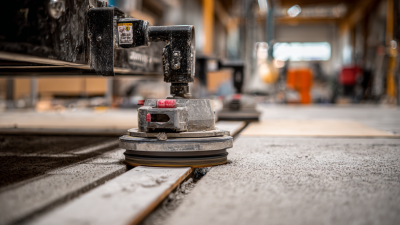
Power trowels can significantly increase productivity, allowing contractors to cover more area in less time. According to industry analyses, using walk-behind power trowels can improve surface strength by up to 30% compared to manual troweling methods, making them a popular choice among professionals. Furthermore, specialized tools like edgers and groovers are essential for creating joints and edges that not only enhance appearance but also control cracking in concrete surfaces, as indicated by research emphasizing the importance of proper joint placement in reducing stress concentrations.
Understanding these various concrete finishing tools and their specific functions can lead to more efficient and effective finishing processes, ensuring that surfaces not only look great but also perform optimally over time.
Techniques for Using Concrete Finishing Tools Effectively
Achieving a flawless concrete surface requires not only the right tools but also effective techniques that maximize their potential. According to a report by the American Society of Concrete Contractors (ASCC), utilizing the proper finishing tools can reduce surface imperfections by up to 30%, significantly improving the final outcome. One fundamental technique is to maintain a consistent wet edge while finishing, which prevents the formation of inconsistent texture and retains the workability of the concrete. Applying a gentle, overlapping motion with tools like bull floats and trowels aids in achieving a uniform finish and promotes a smooth, even surface.
Additionally, the timing of each finishing pass plays a crucial role in the effectiveness of concrete finishing. The Concrete Institute suggests that finishing should commence shortly after the bleed water has evaporated, as waiting too long can result in a poor bond with subsequent layers, leading to delamination or cracking. Professionals recommend using a combination of hand troweling and mechanical finishing techniques to adapt to varying surface areas and complexities. Keeping tools clean and properly maintained is also essential; a report from the National Ready Mixed Concrete Association highlights that dirty tools can leave marks or grooves that compromise the aesthetic quality of the finish. Thus, the synergy between technique and tool usage is paramount for achieving a superior concrete surface in 2025 and beyond.
Top Concrete Finishing Tools for a Perfect Surface in 2025
| Tool Name |
Description |
Primary Use |
Material |
| Float |
Used for leveling and smoothing the surface of newly poured concrete. |
Smoothing |
Wood, Magnesium, or Aluminum |
| Trowel |
Ideal for finishing a concrete surface to achieve a smooth finish. |
Finishing |
Stainless Steel or Aluminum |
| Edger |
Used for smoothing the edges of concrete slabs, preventing chipping. |
Edge Finishing |
Stainless Steel |
| Groover |
Creates expansion joints to control cracking in concrete. |
Joint Formation |
Steel |
| Power Trowel |
Mechanical tool that enhances surface finish's smoothness and durability. |
High Finish |
Metal |
Maintenance Tips for Long-lasting Concrete Finishing Tools
To ensure the longevity and effectiveness of your concrete finishing tools, proper maintenance is essential. Regular cleaning after each use helps prevent concrete residue from hardening on the tools, which can affect their performance and lifespan. Use a stiff brush or a putty knife to remove any excess concrete, followed by a thorough rinse with water. Make it a habit to check your tools for any wear and tear, addressing minor issues before they escalate.
Tip: After cleaning, take the time to dry your tools completely to avoid rust and corrosion. Store them in a dry environment, ideally in a dedicated space away from moisture and extreme temperatures. This will not only protect your tools but also ensure they are ready for use whenever you need them.
Another important aspect of maintaining your concrete finishing tools is regular inspection and sharpening. For trowels and spatulas, keeping the edges sharp allows for smoother finishes and less effort during application. Invest in a good sharpening tool and make it part of your routine maintenance.
Tip: Consider applying a light coat of oil or lubricant to metal tools after cleaning and drying. This helps create a barrier against moisture and prolongs their life. Taking these maintenance steps will ensure your concrete finishing tools remain in optimal condition for your projects.
Top Concrete Finishing Tools for a Perfect Surface in 2025
This chart displays the expected usage of various concrete finishing tools in 2025, illustrating their popularity based on industry trends.
Trends in Concrete Finishing Tools for 2025 and Beyond
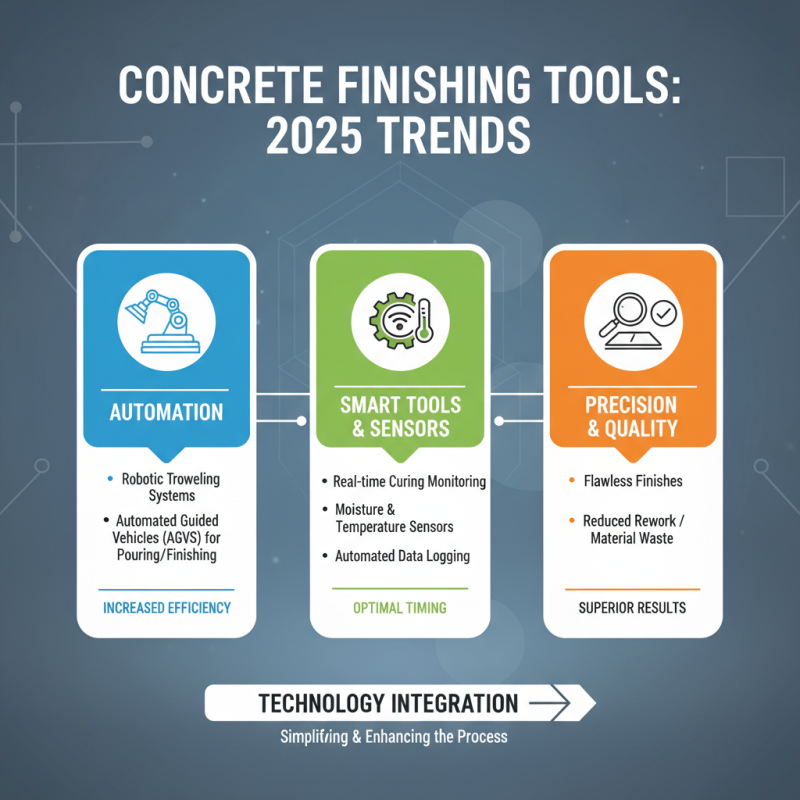
The concrete finishing tools landscape is evolving rapidly, with trends in 2025 promising to simplify and enhance the process of achieving a perfect surface. One of the most significant shifts is the integration of advanced technology, such as automation and smart tools equipped with sensors. These innovations not only increase efficiency but also allow for real-time monitoring of the concrete's curing process, ensuring that finishing techniques are applied at the optimal moment for the best results. This trend towards automation caters to the growing demand for precision in construction, ultimately improving the quality of work and reducing the need for rework.
Another notable trend is the emphasis on sustainability within the concrete finishing industry. Tools that minimize waste, such as precision finishing machines designed to reduce excess material usage, are becoming increasingly popular. Additionally, there is a rise in the use of eco-friendly materials and finishes, promoting a greener approach to concrete work. As environmental concerns become more prominent, contractors and construction professionals are seeking tools that not only deliver a flawless surface but also align with sustainable building practices. This shift indicates a broader movement toward responsible construction, where performance and environmental stewardship go hand in hand.