Essential Tips for Effective Floor Grinding Techniques?
In the world of floor grinding, mastering techniques is vital for success. According to John Mitchell, a renowned floor grinding expert, "Proper techniques can significantly enhance your results." His words resonate with many contractors seeking to refine their skills.
Floor grinding requires a blend of precision and artistry. Not only do operators need to control the machines, but they also must understand the materials. For instance, different surfaces require different grinding pads. The choice impacts the finish and durability of the floor. Inadequate knowledge can lead to uneven surfaces and costly repairs.
Attention to detail is key in floor grinding. Many professionals overlook the importance of preparation. Ensuring the surface is clean and free of debris can make a significant difference. Yet, common mistakes often arise. Failing to assess the floor condition prior to grinding can result in subpar outcomes. Reflecting on these aspects can lead to better practices and improved satisfaction for clients.
Understanding the Basics of Floor Grinding Techniques
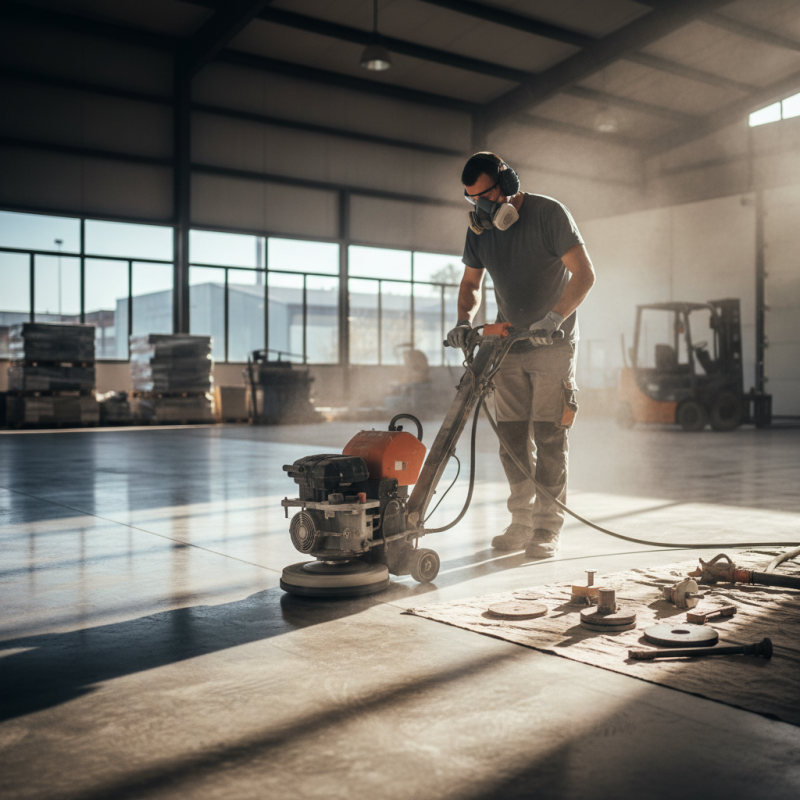
Floor grinding can transform surfaces, providing a smooth finish. Understanding the basics is crucial for effective results. The process involves using specialized equipment to grind down concrete or other floors. This equipment varies, but the approach remains similar across techniques.
Proper preparation is key. Ensure the surface is clean and free of debris. Identify any imperfections that need addressing before starting. If you skip this step, you may face challenges that complicate your project. Different grits of diamond blades are used for different stages. The initial grind is rougher, while finer grits help polish the surface.
Pay attention to your pace. Grinding too quickly can lead to uneven surfaces. Conversely, moving too slowly may increase wear on your tools. Experimenting with speed can yield better outcomes. Monitoring your progress is vital, as the results may not be immediately visible. Adjusting your technique based on feedback ensures improvement over time. Floor grinding is both an art and a science, requiring practice and reflection.
Choosing the Right Tools and Equipment for Floor Grinding
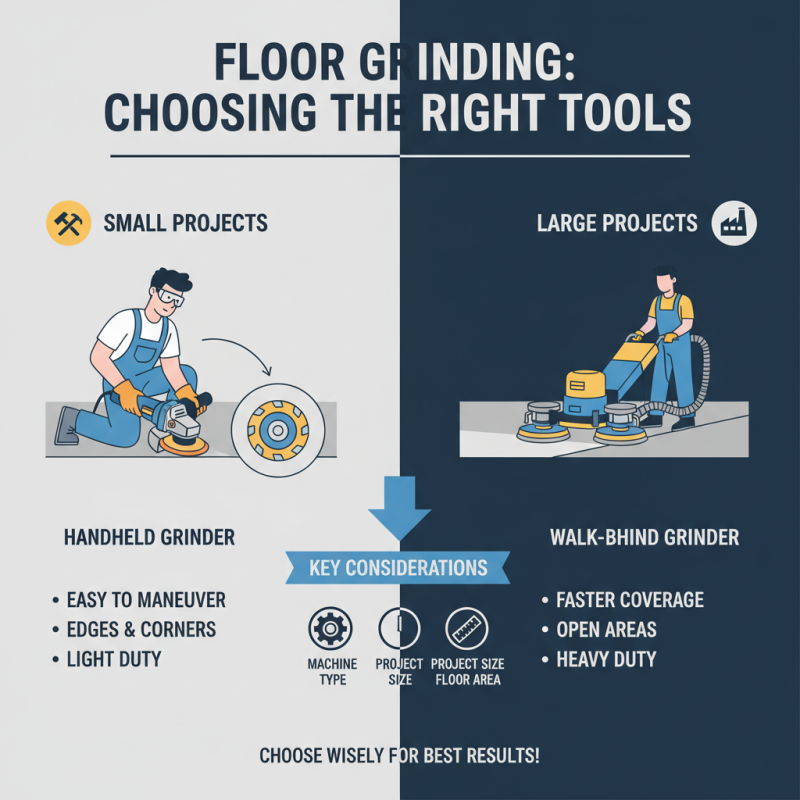
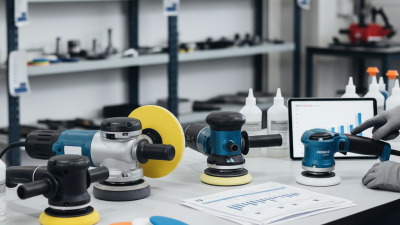
Choosing the right tools and equipment for floor grinding is crucial. The type of grinder can greatly affect your results. For small projects, a handheld grinder may suffice. Larger jobs often require walk-behind models. Each tool has unique features. Understanding these is essential.
Consider the diamond grinding pads you will use. They vary in grit, from coarse to fine. Coarse pads remove material quickly. Fine pads polish the surface. Selecting the right grit for your project impacts the outcome. Test a small area before full application.
A common mistake is neglecting safety gear. Dust, debris, and noise can be hazardous. Basic protection includes gloves, goggles, and earplugs. Avoid shortcuts; safety should always be a priority. Choose equipment that suits your experience level. This reflection can lead to improvements in your grinding technique.
Step-by-Step Guide to Preparing the Floor for Grinding
Preparing the floor for grinding is a crucial step in achieving a polished finish. Start by clearing the area of any furniture, debris, or dust. A clean workspace not only enhances safety but also ensures better results. Check for any major imperfections on the surface. Fill any cracks or holes with a suitable filler. This step is often overlooked, but surface irregularities can lead to uneven grinding.
Tips: Always wear protective gear. This includes goggles, masks, and gloves. Flooring materials can release harmful dust during the grinding process. Make sure the floor is dry before proceeding. Moisture can cause damage and affect the grinding efficiency.
Once the floor is prepared, you might find areas that require extra attention. Some spots may need additional grinding, while others could be surprisingly smooth. It's essential to be patient and pay close attention to these variations. Rushing might leave the floor uneven. Take breaks to assess your progress and adjust your technique as needed. Occasionally, stepping back will help you see the bigger picture and identify areas that require more work.
Essential Tips for Effective Floor Grinding Techniques
| Step |
Description |
Tools Required |
Time Estimate |
| 1 |
Clear the area of all furniture and debris. |
Vacuum cleaner, brooms |
1 hour |
| 2 |
Inspect the floor for damage or unevenness. |
Measuring tape, visual inspection |
30 minutes |
| 3 |
Choose the appropriate grinding equipment. |
Floor grinder |
1 hour |
| 4 |
Determine the right grit for the diamond pads. |
Diamond polishing pads |
30 minutes |
| 5 |
Start grinding from one end and work your way across the floor. |
Floor grinder |
Varies by area |
| 6 |
Clean the floor surface thoroughly after grinding. |
Vacuum cleaner, mop |
1 hour |
| 7 |
Inspect the final finish and make any necessary touch-ups. |
Light, polishing pads |
30 minutes |
Techniques for Achieving a Smooth and Level Surface
Achieving a smooth and level surface during floor grinding requires skilled techniques. It begins with proper surface preparation. Clean the floor thoroughly to remove dust and debris. Inspect for cracks or uneven areas. These flaws must be addressed before grinding begins. Use a floor grinder suitable for your specific surface type. The choice of grinding pads is also crucial. Different surfaces may require different pad grits. Start with a coarse grit and progress to finer grits for a polished finish.
While grinding, maintain consistent speed and pressure. Varying these can lead to an uneven surface. Watch for overheating, which can damage both the floor and equipment. It’s easy to miss soft spots or ridges while in a rhythm. Regularly pause and examine the work area. Remember to clean the pads frequently to avoid debris buildup. This can cause scratches and imperfections. Lastly, do not rush the finishing stages. Taking your time ensures a durable and aesthetically pleasing result. Reflect on the results often; this practice will help improve your technique for future projects.
Maintenance Tips for Longevity of Floor Grinding Equipment
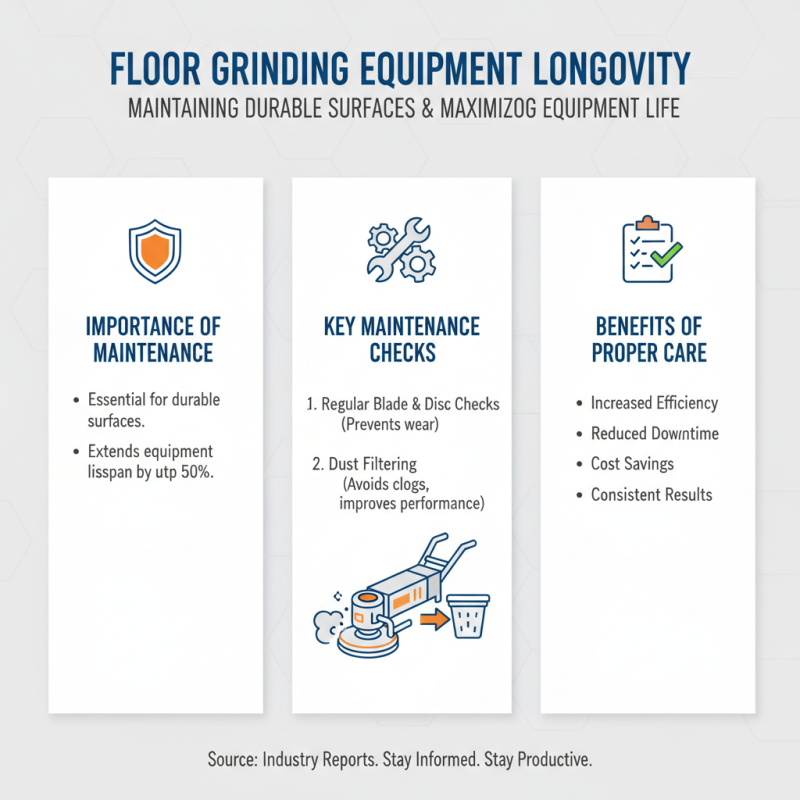
Floor grinding is essential for maintaining durable surfaces. However, many overlook how crucial equipment maintenance is for longevity. According to industry reports, proper care can extend equipment lifespan by up to 50%. Regular checks on blades and discs can prevent unnecessary wear. Many operators ignore the importance of filtering dust, leading to clogged systems and reduced performance.
Dust management is often neglected, yet it plays a vital role. A report indicates that less than 30% of operators prioritize proper dust extraction. This oversight leads to equipment degradation. Replace filters regularly and clean the cooling system to ensure efficient operation. Furthermore, lubricate moving parts as per the manufacturer's guidelines. Neglecting these steps may invite costly repairs, which could have been avoided.
Operators should develop a maintenance schedule. Consistency can ensure every part of the machine receives attention. Note that even minor adjustments can drastically improve performance. Check for loose screws or parts before starting any job. Many professionals fail to conduct these checks, resulting in breakdowns. Awareness and action can lead to better productivity and longer equipment life.