What is a Feeder Machine and How Does It Work?
In the world of manufacturing, understanding a Feeder Machine is crucial. Dr. Emily Carter, an expert in automation technology, once said, "A well-designed Feeder Machine can greatly enhance production efficiency." These machines play a pivotal role in the distribution of materials to various processing points. They ensure a steady flow of components, crucial for continuous operations.
Feeder Machines are utilized in multiple industries. Their design varies based on the materials they handle. Some feed bulk solids, while others manage liquids or powders. Each type presents unique challenges and requires a tailored approach for optimal performance. The effectiveness of a Feeder Machine often hinges on its ability to adapt to different materials and environments.
However, not all Feeder Machines operate flawlessly. Some may struggle with inconsistent feeding rates or jam frequently. These flaws can lead to costly downtime. Reflecting on these challenges helps engineers refine designs. Continuous improvement remains vital in this industry. A deeper comprehension of Feeder Machines ultimately leads to enhancements in productivity and reliability.
What is a Feeder Machine?
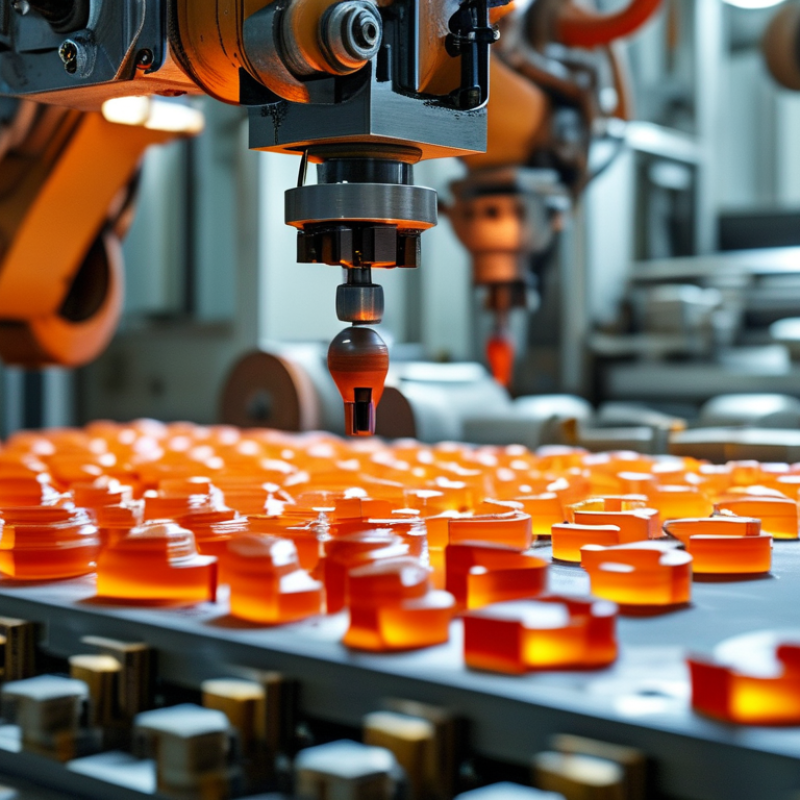
A feeder machine is a crucial device in various industries, designed to supply raw materials to production processes. Typically, these machines ensure that materials are fed at a consistent rate, which is essential for maintaining production efficiency. They are widely used in food processing, packaging, and even manufacturing. The fundamental role of a feeder machine is to reduce downtime by keeping the production line continuously supplied.
Feeder machines operate on a simple principle. They use mechanical components like belts, screws, or vibratory systems to move materials from one point to another. The machine’s design adapts to different materials, ensuring that both small and large particles are handled effectively. Operators can adjust feed rates based on the requirements of the process. This flexibility is beneficial, but adjustments can sometimes lead to inconsistencies, requiring careful monitoring.
In practice, efficiency is not guaranteed. It's possible for jams or misfeeds to occur, particularly when handling bulk materials. This can halt production and lead to costly delays. Attention to detail is necessary during the setup phase to avoid these issues. Operators need substantial training to manage these machines efficiently, as improper handling could compromise product quality. It’s a constant learning experience for those involved, highlighting the importance of skill and precision in this field.
Types of Feeder Machines and Their Applications
Feeder machines play a crucial role in various industries by automating material handling processes. They come in several types, each designed for specific applications. Vibratory feeders, for instance, utilize vibrations to move materials smoothly. They are commonly used in pharmaceutical, food processing, and manufacturing sectors. According to a report by Research and Markets, the global vibratory feeder market is projected to reach $2 billion by 2025, underscoring their importance in efficient material handling.
Another type is the belt feeder, which transports bulk materials over a belt system. These machines are often used in mining and aggregate industries. They offer a reliable solution for transporting heavy materials while maintaining a consistent feed rate. Data from Allied Market Research indicates that the belt feeder market will experience significant growth, driven by increasing demands for efficient material handling systems.
Although feeder machines provide great benefits, they are not without limitations. Maintenance can be a challenge, particularly for more complex systems. Regular inspections are vital to prevent breakdowns. Additionally, the choice of feeder type must be aligned with the specific material and application needs to ensure optimal performance. Understanding these nuances can help industries make informed decisions about their material handling processes.
How Feeder Machines Operate: Key Components
Feeder machines play a vital role in various industries, from manufacturing to agriculture. These machines deliver materials consistently, ensuring optimal production processes. Understanding their operation is crucial for efficient use.
Key components include hoppers, conveyors, and actuators. Hoppers store bulk materials, providing a steady supply to downstream processes. Conveyors transport the materials, with different designs suited for specific types. For example, belt conveyors are ideal for granular materials, while screw conveyors handle powders better. Actuators control the flow rate based on demand, allowing for adjustments in real-time.
Tip: Regular maintenance of feeder machines enhances their longevity and performance. Check for wear and tear, and ensure all components are clean and functional. This approach can save costs in the long run.
Data from industry reports suggest that improper feeding can lead to production inefficiencies. Machines may stall or produce inconsistent quality. Therefore, investing in quality feeder technology pays off by minimizing downtime and maximizing output.
What is a Feeder Machine and How Does It Work? - How Feeder Machines Operate: Key Components
| Component | Description | Function | Applications |
| Hopper | A container that holds bulk materials for feeding. | Stores and regulates the flow of materials. | Used in manufacturing and processing industries. |
| Feeding Mechanism | Device that delivers materials from the hopper to the next stage. | Controls the speed and volume of material delivery. | Common in conveyor systems and assembly lines. |
| Vibrating Feeder | Mechanical device that uses vibration to move materials. | Ensures a steady flow of materials to production areas. | Used in mining, food processing, and recycling. |
| Control System | Electronic component that manages feeder operations. | Adjusts settings for operational efficiency. | Applied in various automated assembly processes. |
| Sensors | Devices that detect material levels and flow rate. | Provides real-time data to the control system. | Used in automated systems to maintain material supply. |
Benefits of Using Feeder Machines in Industries
Feeder machines play a crucial role in various industries by optimizing material handling processes. According to a recent industry report, these machines can improve productivity by up to 40%. They efficiently transport raw materials to production lines, minimizing downtime and enhancing workflow. This allows companies to maintain a steady output that meets consumer demand.
The automation of feeding processes reduces the risk of human error. In industries such as food processing and manufacturing, even small mistakes can lead to significant losses. A reliable feeder machine can streamline operations, ensuring consistent and accurate material delivery. In many cases, companies report a reduction in labor costs by as much as 25% after implementing these systems.
However, the transition to feeder machines is not always seamless. Some facilities may face initial challenges in integrating these machines with existing processes. Training staff is essential, and ongoing maintenance can be a concern for some organizations. Balancing efficiency with worker readiness is vital. Despite these obstacles, the benefits, such as enhanced safety and reduced waste, often outweigh the drawbacks.
Common Challenges in Feeder Machine Operation and Solutions
Feeder machines are crucial in various industries, yet they often face operational challenges. A common issue is material clogging. This occurs when the product being fed gets stuck, disrupting the flow. It can stem from using the wrong size or type of material. Operators must frequently check the feeder for blockages. Regular maintenance helps to minimize these disruptions.
Another challenge is inconsistent feeding rates. This can lead to uneven product distribution downstream. Variations in material properties, such as moisture content, can affect performance. Monitoring the feeding mechanisms and adjusting settings often solves this. Additionally, operators should maintain close communication with the production team to adapt to changes quickly.
Noise and vibration are also issues that can affect the operation. Excessive noise can indicate mechanical problems needing attention. Vibration may lead to wear and tear, requiring parts to be replaced more frequently. Using sound-dampening materials or regular inspections can help manage these problems. Attention to these details can lead to smoother operations and increased machine lifespan.
