What is a Folder Cutting Machine and How Does it Work?
In the competitive world of manufacturing, precision and efficiency are paramount. The Folder Cutting Machine plays a crucial role in enhancing production processes. According to a recent industry report by Smithers Pira, the global demand for cutting technology is projected to grow by 5% annually through 2025. This growth is driven by the increasing need for customized packaging and product designs.
Folder Cutting Machines are essential for producing folded and glued products from various materials. They streamline the cutting process and reduce waste, ensuring a higher output quality. However, while these machines bring significant advantages, their operation requires skilled personnel and ongoing maintenance. A 2022 study highlighted that nearly 30% of manufacturers reported challenges in operating these advanced machines efficiently.
Investing in technology like the Folder Cutting Machine is critical. It brings a competitive edge, but it’s not without challenges. Businesses must also consider training and upkeep to maximize their effectiveness. Embracing these machines could lead to substantial operational improvements if managed correctly.
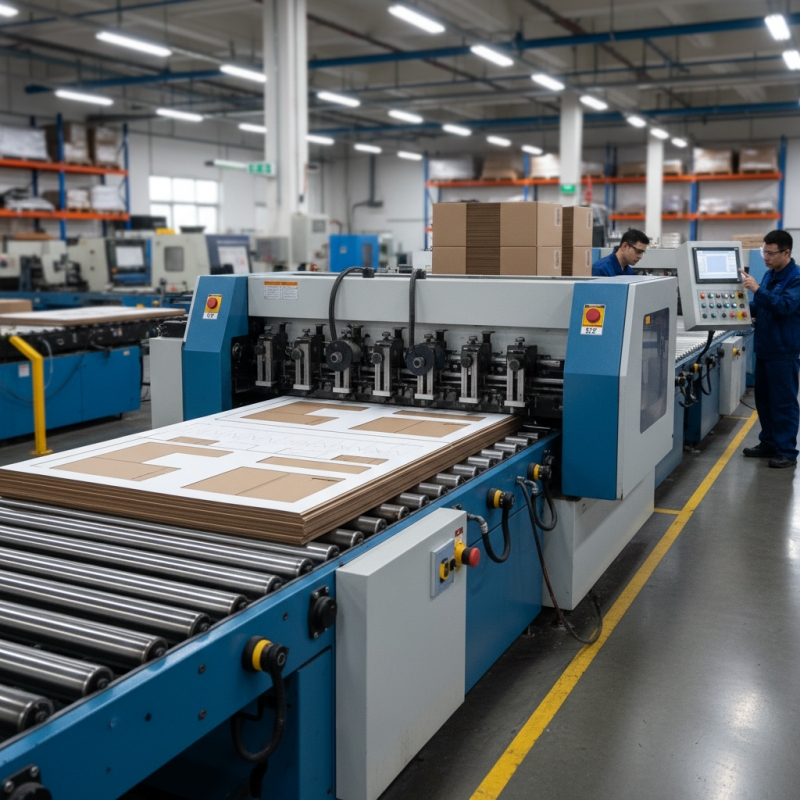
Definition and Purpose of a Folder Cutting Machine
A folder cutting machine is essential in the printing and packaging industries. Its primary purpose is to create precise folds and cuts on various materials, such as paper and cardboard. This device enhances productivity by streamlining the processing of printed sheets into finished products. According to industry reports, over 70% of packaging companies rely on advanced folder cutting machines to meet their production demands.
These machines utilize complex mechanisms, including rotary tools and die-cutting techniques. The result is high accuracy, which minimizes waste and maximizes efficiency. Current data reveals that automated folder cutting machines can increase production speed by up to 50%. However, the initial cost and maintenance of these machines can be significant challenges, requiring careful consideration for smaller companies.
Despite their benefits, there are drawbacks. Operators must undergo thorough training, as improper use can lead to costly errors. Additionally, frequent adjustments may be needed for different materials, adding to production time. Manufacturers must weigh these factors against the benefits to determine the best fit for their operations. Overall, understanding a folder cutting machine's role is crucial for businesses aiming for high precision and efficiency in their production processes.
What is a Folder Cutting Machine and How Does it Work? - Definition and Purpose of a Folder Cutting Machine
| Dimension | Description |
| Type | Mechanical and Electronic |
| Cutting Capacity | Up to 500 sheets per hour |
| Material Types | Paper, Cardboard, Plastic |
| Common Uses | Packaging, Printing, Bookbinding |
| Key Features | Adjustable cutting depth, Automatic feed |
| Power Source | Electric |
| Safety Features | Emergency stop, Safety guards |
| Maintenance Frequency | Monthly checks recommended |
Key Components of a Folder Cutting Machine
Folder cutting machines are vital in the printing and packaging industries. They utilize several key components to ensure precision in cutting and folding materials. The main parts include the cutting blades, the feeding system, and the control panel. These components work together to deliver quality output efficiently.
The cutting blades must be sharp and precisely aligned. They determine the accuracy of the cuts. According to industry reports, a well-maintained blade can last up to 500,000 cuts before needing replacement. The feeding system also plays a crucial role. It ensures materials are fed into the machine at a consistent speed, impacting the overall productivity. An efficient system can increase production rates by up to 30%, as per recent studies.
Control panels are becoming more sophisticated. Many now feature touchscreen interfaces, enhancing user experience. However, reliance on technology can lead to issues. Faulty software may disrupt operations, leading to downtime. Regular maintenance checks are crucial to avoid such pitfalls. Understanding these components can help operators appreciate the complexities of folder cutting machines.
Working Mechanism: How a Folder Cutting Machine Operates
A folder cutting machine is an essential tool in the printing and packaging industries. Its primary function is to cut, crease, and fold materials accurately. Modern machines use advanced technology, ensuring high precision. A 2021 report by Smithers Pira stated that the demand for automated cutting and folding solutions is expected to rise by 25% over the next five years due to increased production needs.
The working mechanism of a folder cutting machine is quite intricate. It relies on a series of blades and rollers that work in tandem. Usually, the feeding process starts with loading the material, whether paper or cardboard. The machine then uses sensors to detect the material's size and thickness. This step allows for accurate adjustments. According to industry experts, this precision can increase overall efficiency by 30%, minimizing waste and enhancing productivity.
Despite these advancements, challenges persist. Not all materials cut smoothly, leading to potential jams or inaccuracies. Proper maintenance is crucial, yet often overlooked by operators. Regular checks and adjustments can prevent costly downtimes. It's essential to be mindful of these factors to improve operational reliability and maintain production flow. Without addressing these issues, the benefits of a folder cutting machine can be diminished.
Applications of Folder Cutting Machines in Various Industries
Folder cutting machines play a crucial role in various industries. They are primarily used in printing, packaging, and bookbinding. For instance, the global printing industry was valued at over $400 billion in 2021. The demand for precision in cutting paper is vital to meet high-quality standards. Folder cutting machines ensure that every piece is tailored correctly, reducing waste.
In the packaging sector, the machine's role expands further. The rise of e-commerce has surged demand for efficient packaging solutions. According to industry reports, the global packaging market is projected to reach $500 billion by 2025. Folder cutting machines help companies maintain consistent quality and speed in packaging. Various materials, such as cardboard and plastic, are processed effortlessly. Yet, some manufacturers still face challenges regarding machine calibration and maintenance.
Bookbinding is another area where these machines are essential. Neatly cut pages are crucial for aesthetics and functionality. The demand for hardcover and softcover books remains steady, despite digital trends. Industry estimates suggest that around 25% of printed books require precise cutting for each project. However, many businesses need to invest more in staff training. Knowledge gaps can lead to inefficiencies in using these machines.
Applications of Folder Cutting Machines in Various Industries
Advantages of Using a Folder Cutting Machine for Cutting Tasks
A folder cutting machine is a vital tool in many industries. It simplifies the process of cutting large sheets into smaller, manageable pieces. This device is designed for precision and efficiency, making it a preferred choice for various cutting tasks.
One significant advantage of using a folder cutting machine is the increased accuracy it offers. Unlike manual cutting methods, which can lead to uneven edges, this machine guarantees consistent results. It helps reduce material wastage, saving both time and resources. However, achieving this accuracy requires the operator to be well-trained and attentive. Mistakes can still occur, affecting the final product.
Another benefit is the enhanced speed of operations. A folder cutting machine can process large volumes quickly. This speed is essential for businesses with tight deadlines. However, this may lead to overlooking finer details, which can be problematic. Thus, operators must balance speed with careful monitoring to ensure quality. Emphasizing both speed and accuracy can be challenging but necessary for optimal results.
