
Why Choose Fuel Rubber Hose for Fuel Transfer?
Fuel transfer depends on more than a pump and a tank. The hose is the flexible link that carries fuel while equipment moves, vibrates, or operates in tight spaces. A suitable Fuel Rubber Hose can bend around fittings and help keep a transfer setup orderly. It must also match the fuel, temperature, pressure, and working conditions specified by its manufacturer. Compatibility matters.
As a practical reminder, fictional fuel-transfer specialist Daniel Mercer puts it this way: “A hose is only reliable when its material and rating fit the fuel and the job.” This is an illustrative quote, not a verified statement from a real industry expert. The principle is still worth checking. Rubber hose constructions vary, and a product intended for one service may not suit another. Look at the product data, inspect the hose for wear, and confirm that its connections fit securely. Small details count.
This guide explores why buyers choose fuel rubber hose, what its construction can offer, and which selection details deserve close attention. Flexibility can make routing easier. It does not excuse a poor fit. A kink, loose clamp, or cracked outer cover can signal trouble, even when the line looks usable at a glance. I would not assume that every rubber hose handles every fuel; that assumption needs scrutiny. Choose by documented specifications, not appearance alone. A careful check can prevent a costly mismatch. Practical experience helps, but records and inspection matter too.
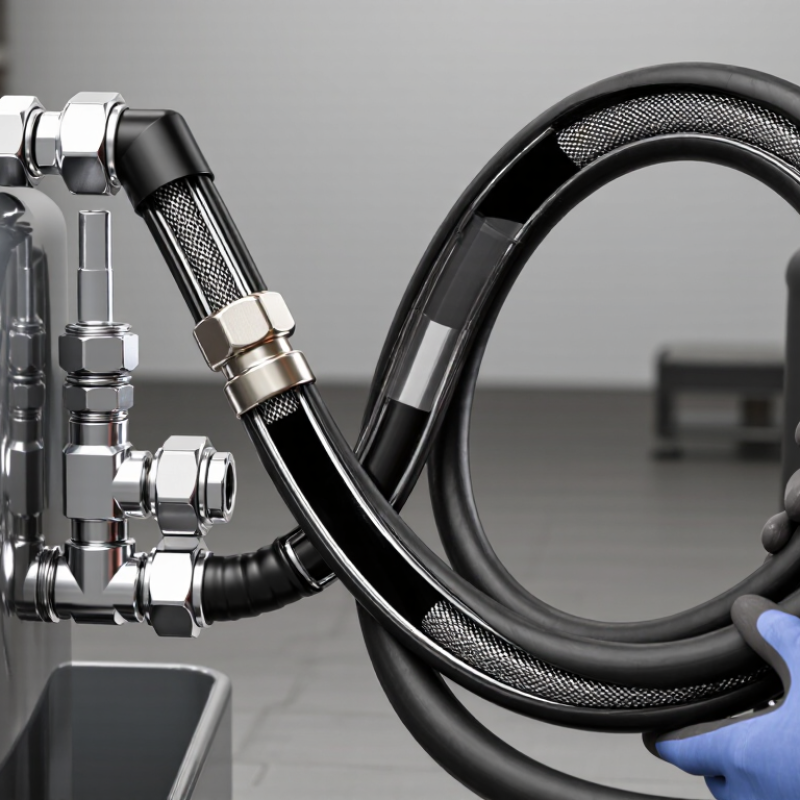
Fuel rubber hose is built in layers, and each layer has a different job. The inner tube contacts the fuel and must resist swelling, softening, and cracking. Its rubber compound is selected for the fuel type and operating temperature. A material that works well with one blend may not suit another. Compatibility should be checked against the hose specification.
Around the tube, textile or wire reinforcement helps the hose handle pressure and resist kinking. The reinforcement’s design affects flexibility, but a hose that bends easily is not automatically suitable for every transfer setup. Look for a stable bend without flattening. Small details matter. The outer cover shields the reinforcement from abrasion, moisture, and everyday handling. It can wear before the inner tube shows a problem.
Rubber compounds vary, so “rubber hose” alone does not tell you enough. Check the stated pressure range, temperature range, fuel compatibility, and fitting requirements. In a workshop, a stiff hose may be difficult to route around a tight corner; forcing it can strain the connections. That assumption can be wrong, though: a softer hose is not necessarily more durable. Inspect for bulges, surface cracks, or a persistent fuel smell, and replace a damaged hose rather than relying on appearance alone.
Reliable fuel transfer starts with choosing a hose designed for the fuel being handled. Rubber compounds differ, and an incompatible hose may soften, swell, or become brittle over time. Check the stated fluid range, operating temperature, and pressure rating before installation. Its flexible wall helps the hose follow equipment contours without forcing awkward connections. That matters. A tight bend near a pump can restrict flow and place stress on the fittings. Keep the hose away from sharp edges, hot surfaces, and moving parts, and support long runs to limit sagging.
The connection deserves as much attention as the hose itself. Use compatible fittings and secure them evenly; excessive tightening can damage components rather than improve the seal. During operation, watch for seepage, unusual odor, or changes in hose shape. Small details count. A quick visual check before use can reveal cracking, abrasion, or a loose clamp, though it cannot identify every internal defect. Replace a hose when damage appears or its service history is uncertain. In practice, tidy routing is easy to overlook when space is limited, so review the installation after nearby equipment has been moved.
Fuel is not one uniform fluid. The U.S. Department of Energy’s Alternative Fuels Data Center lists E85 as containing 51–83% ethanol, depending on season and location. Its biodiesel blend data shows B20 may contain 6–20% biodiesel. Those ranges matter: changing fuel composition can affect rubber swelling, softening, and permeation.
A hose suitable for ordinary gasoline may not suit a high-ethanol blend or biodiesel. Check the hose maker’s compatibility data against the actual fuel, not just the fuel category.
Operating conditions matter just as much. Match the hose to the expected temperature, working pressure, and suction conditions. Also consider tight bends, vibration, and contact with hot engine parts. Nitrile rubber is commonly used with petroleum fuels, while other compounds may be needed for different blends or higher temperatures. Confirm the exact compound and construction before installation.
Small details matter. A hose can look intact while its inner lining is swelling or cracking; appearance alone is a poor test.
DOE blend figures describe fuel composition, not hose performance, so verify suitability against relevant hose specifications and test data. That step is easy to overlook.
Why Choose Fuel Rubber Hose for Fuel Transfer?
Selecting a fuel rubber hose begins with the fluid itself. Check that the tube material is compatible with the fuel type and any blend in use. Compatibility matters most. A hose that looks sturdy may still soften, swell, or crack when exposed to an unsuitable fluid. Review the manufacturer’s compatibility data rather than relying on appearance.
Match the hose rating to the actual operating conditions. Consider working pressure, temperature range, and whether the line must handle suction or pressure surges. Reinforcement helps resist pressure, while the stated minimum bend radius helps prevent kinks near pumps and tanks. Do not assume a thicker wall solves every problem. It can make routing harder, and I would not use thickness as a substitute for checking the rating.
Pay attention to the full assembly. Hose diameter should suit the flow required, and fittings must match both the hose and the connection points. Check how the hose will be exposed to abrasion, sunlight, heat, or movement. Small details count. A clamp that sits unevenly can cause leaks, even when the hose is correctly selected. Inspect the line regularly for hardening, surface cracks, bulges, and loose fittings; replacement timing depends on service conditions, not appearance alone.
Why Choose Fuel Rubber Hose for Fuel Transfer?
Safe Installation, Inspection, and Maintenance Practices
A fuel rubber hose is only as dependable as its installation and care. Check that its material, pressure rating, and temperature range suit the fuel and transfer equipment. Route it without twists or sharp bends, and keep it away from hot surfaces and abrasion. Secure compatible fittings, then check for leaks before use. Small defects matter. NFPA estimated an average of 16,070 U.S. structure fires involving flammable or combustible liquids each year from 2015 to 2019. That figure covers many causes, not just hose failures, but it shows why careful fuel handling deserves attention.
Inspect the hose before each transfer. Look closely near couplings for cracks, bulges, soft spots, exposed reinforcement, or damp patches. Stop using a hose that leaks or has visible damage; tape is not a repair. Follow the hose maker’s inspection and replacement guidance, especially after chemical exposure, impact, or prolonged outdoor storage. I have found that a quick glance can miss damage underneath a fitting, so check the connection by hand and with good lighting.
Tips: Keep hose ends capped and clean between uses. Avoid dragging hoses across concrete, and do not exceed the specified bend radius. Record inspection dates and any defects. Replace questionable equipment rather than guessing. NFPA’s fire estimates are reported in its 2015–2019 research on structure fires involving flammable or combustible liquids.
| Stage | Good Practice | What to Check | Why It Matters |
|---|---|---|---|
| Hose selection | Choose a hose specifically rated for the fuel type, operating pressure, temperature range, and intended transfer method. | Check the hose markings and product documentation for fuel compatibility and pressure and temperature limits. | Fuel formulations and operating conditions vary; a general-purpose hose may not be suitable for fuel service. |
| Pre-installation | Confirm that the hose, fittings, and seals are compatible with one another and with the fuel being handled. | Inspect for cuts, cracks, flattened areas, exposed reinforcement, damaged ends, or contamination before use. | Damaged or incompatible components can leak or fail during transfer. |
| Routing | Route the hose to avoid sharp edges, hot surfaces, moving parts, and unnecessary contact with the ground. | Check the entire route for abrasion points, heat exposure, pinch hazards, and trip hazards. | Reducing external damage helps preserve the hose and lowers the risk of a leak. |
| Bend and support | Keep bends within the minimum bend radius specified by the hose manufacturer and support the hose where needed. | Look for kinks, twisting, tight bends, or unsupported weight pulling on connections. | Kinking and excessive strain can restrict flow and damage the hose or its connections. |
| Connection | Use fittings intended for the hose and secure them using the specified assembly method. | Verify that connections are properly seated and secured; do not rely on improvised adapters or repairs. | Correctly assembled connections help prevent leaks and accidental separation. |
| Before transfer | Secure the receiving and supply equipment, establish a clear work area, and follow site procedures for controlling ignition sources. | Check that the hose is connected at both ends, valves are in the intended positions, and spill-response materials are available as required. | Preparation helps reduce spill, fire, and handling risks during fuel transfer. |
| Routine inspection | Inspect the hose and connections before use and at intervals set by the site’s risk assessment and applicable requirements. | Look for leaks, swelling, soft or brittle areas, cracking, abrasion, corrosion at fittings, and loose connections. | Visible changes can indicate deterioration; a hose showing damage or leakage should be removed from service. |
| Cleaning and storage | Use cleaning methods compatible with the hose, drain or manage residual fuel according to site procedures, and store the hose away from damaging conditions. | Keep it protected from excessive heat, direct sunlight where applicable, chemicals, sharp objects, and crushing loads. | Appropriate care helps limit degradation and keeps the hose ready for its intended use. |
| Replacement and records | Replace damaged, leaking, or unsuitable hose assemblies; keep inspection and replacement records where required. | Follow the manufacturer’s guidance and applicable regulations; do not use a universal service-life assumption. | Condition, service, fuel type, and operating environment affect hose life, so decisions should be based on documented guidance and inspection. |
Safety note: Rubber fuel hose is suitable only when its documented rating matches the fuel and service conditions. Follow the hose manufacturer’s instructions, site procedures, and applicable local regulations.
| Cookie | Duration | Description |
|---|---|---|
| cookielawinfo-checkbox-analytics | 11 months | This cookie is set by GDPR Cookie Consent plugin. The cookie is used to store the user consent for the cookies in the category "Analytics". |
| cookielawinfo-checkbox-functional | 11 months | The cookie is set by GDPR cookie consent to record the user consent for the cookies in the category "Functional". |
| cookielawinfo-checkbox-necessary | 11 months | This cookie is set by GDPR Cookie Consent plugin. The cookies is used to store the user consent for the cookies in the category "Necessary". |
| cookielawinfo-checkbox-others | 11 months | This cookie is set by GDPR Cookie Consent plugin. The cookie is used to store the user consent for the cookies in the category "Other. |
| cookielawinfo-checkbox-performance | 11 months | This cookie is set by GDPR Cookie Consent plugin. The cookie is used to store the user consent for the cookies in the category "Performance". |
| viewed_cookie_policy | 11 months | The cookie is set by the GDPR Cookie Consent plugin and is used to store whether or not user has consented to the use of cookies. It does not store any personal data. |