What is a Gas Buffer Tank and How Does It Work?
A Gas Buffer Tank is an essential component in various industrial systems. It plays a crucial role in regulating gas pressure and ensuring a steady flow. When gas demands fluctuate, the Gas Buffer Tank helps maintain consistent pressure levels. This stability minimizes the risk of system failures and enhances overall efficiency.
The design of a Gas Buffer Tank allows for quick response to changes. However, understanding its operation can be complex. Proper installation and maintenance are vital for optimal performance. A poorly maintained tank may lead to pressure inconsistencies or safety hazards. This necessitates regular checks and expert guidance.
In industries like oil and gas, the role of the Gas Buffer Tank becomes even more significant. It supports processes that require precise pressure control. Investing in high-quality tanks ensures reliability. Yet, users often overlook the importance of expert knowledge in their operation. This gap can result in challenges that could have been avoided.
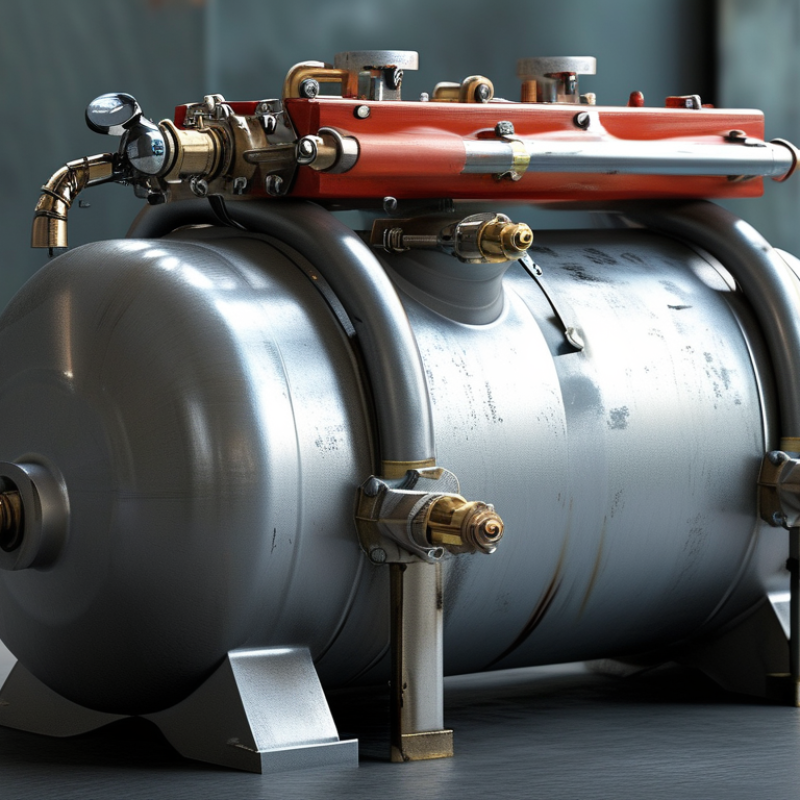
What is a Gas Buffer Tank?
A gas buffer tank is a vital component in various industries, particularly in oil and gas processing and heating systems. This tank stores gas temporarily, ensuring a stable pressure and flow rate in the system. It acts as a cushion, absorbing pressure fluctuations during operation. According to a report by the International Energy Agency, the efficiency of gas systems can improve by 15% when utilizing buffer tanks effectively.
These tanks can vary in size and design but typically feature robust materials to withstand high pressures. They ensure that gas delivery aligns with operational demands, avoiding disruptions that could lead to system failures. Data from the American Gas Association indicates that inadequate gas storage can result in losses reaching up to 20% of potential output in extreme conditions. Understanding buffer tank dynamics is essential for optimizing gas management.
While many engineers appreciate their efficiency, some processes still struggle with integrating gas buffer tanks. This operational challenge can stem from varying designs and installation environments. It’s vital to consider specific needs before selecting a tank. Employing best practices can greatly enhance long-term performance. Regular maintenance and monitoring of the tank's condition can minimize unexpected failures.
Purpose and Benefits of Gas Buffer Tanks
Gas buffer tanks play a crucial role in gas management systems. They help to maintain pressure stability and manage fluctuations. When gas demand surges, these tanks provide a reserve, ensuring a steady supply. This helps industries avoid interruptions in production and increases overall efficiency.
The benefits of gas buffer tanks are numerous. They reduce wear on compressors and pipelines by smoothing out pressure spikes. This can lead to lower maintenance costs and prolonged equipment life. In addition, buffer tanks can improve the accuracy of gas metering systems. By stabilizing the flow, they allow for more precise measurements, which is essential for operational reliability.
However, it's important to consider the potential downsides. Installing and maintaining buffer tanks can be costly. Space constraints in some facilities pose additional challenges. If not properly sized, these tanks might not provide the expected performance. Thus, careful planning and assessment are vital in optimizing their use within a gas management system.
What is a Gas Buffer Tank and How Does It Work? - Purpose and Benefits of Gas Buffer Tanks
| Dimension | Description | Benefits |
| Volume Capacity | Typically ranges from 100 to 5000 gallons | Accommodates varying gas demands efficiently |
| Pressure Range | Can handle pressures from 10 psi to 150 psi | Ensures safe operation under diversified pressure conditions |
| Materials Used | Commonly constructed from carbon steel or stainless steel | Enhanced durability and resistance to corrosion |
| Applications | Used in natural gas, biogas, and industrial gas systems | Increases efficiency and stabilizes gas supply in various sectors |
| Maintenance | Requires periodic inspections and pressure checks | Minimizes risks and prolongs system lifespan |
How Gas Buffer Tanks Function in Systems
Gas buffer tanks play a crucial role in various industrial systems. They act as storage units for gases, helping to stabilize pressure and flow. When there are fluctuations in demand or supply, these tanks provide a buffer. This function ensures a consistent output, which is vital for maintaining system efficiency.
They operate on basic principles of gas compression and expansion. When gas enters a buffer tank, it compresses, creating a reserve. As system demands change, this stored gas is released, maintaining a steady flow. Reports indicate that effective use of gas buffer tanks can improve system efficiency by up to 30%. However, it's essential to monitor these tanks regularly to prevent over-compression, which can lead to equipment damage.
Tips for optimal operation include regular maintenance checks and ensuring proper sizing of the buffer tank for your specific system. Underestimating tank size can lead to inadequate pressure support. Furthermore, understanding gas properties is vital. Not all gases behave the same under pressure, so it's crucial to tailor operations accordingly.
Gas Buffer Tank Functionality Overview
This chart illustrates various operational parameters of a typical gas buffer tank, including tank volume, pressure, flow rate, gas type, and operating temperature. Understanding these parameters is crucial for optimizing gas buffer tank performance in various systems.
Common Applications of Gas Buffer Tanks
Gas buffer tanks serve important functions in various industries. They help manage fluctuations in gas flow, ensuring a consistent supply. These tanks can store gases like natural gas or biogas. They are crucial in applications such as power generation and manufacturing processes. For instance, in power plants, buffer tanks stabilize gas feed during high-demand periods. This smooths out operational efficiency.
In waste treatment facilities, gas buffer tanks play a vital role too. They hold biogas produced during the decomposition of organic matter. By regulating the flow to generators, they enhance energy production. Gas buffer tanks are also used in homes. They provide gas storage for heating and cooking. Despite their advantages, installation requires careful planning. Improper sizing can lead to inefficiencies. Operators must consider factors like peak demand and gas pressure. Regular maintenance is essential to ensure they function effectively. Neglect can lead to safety issues or costly repairs.
Maintenance and Safety Considerations for Gas Buffer Tanks
Gas buffer tanks play a critical role in various industrial applications, and their maintenance is paramount. Regular inspection is essential to ensure that the tank operates within safe parameters. According to industry reports, neglecting maintenance can lead to failures that cost facilities approximately $200,000 annually in lost production. Tanks should be checked for corrosion, leaks, and structural integrity. Proper record-keeping of maintenance activities ensures compliance with safety regulations and helps in identifying potential issues before they escalate.
Safety considerations cannot be overlooked when managing gas buffer tanks. The Occupational Safety and Health Administration (OSHA) outlines specific guidelines for handling pressurized gases. It is advised to provide adequate training for personnel involved in operations. Emergency response plans must be established and communicated clearly. In an industry survey, 30% of incidents were linked to inadequate training and lack of safety measures. Operators should also ensure that pressure relief valves are functioning and that safety systems are routinely tested. Implementing these practices significantly reduces risks while enhancing operational reliability.
