What is HDD Drilling and How Does it Work in Construction?
HDD drilling, or horizontal directional drilling, is a method used widely in construction. It allows for the installation of underground utilities without disturbing the surface. This technique involves creating a borehole, where a drilling machine guides a pipe horizontally through the ground. It is particularly useful in urban areas where conventional drilling could cause disruptions.
The efficiency of HDD drilling offers significant advantages. It minimizes the impact on existing structures and landscaping. However, operators must be skilled to avoid damaging nearby utilities. A lack of expertise can lead to costly mistakes. Proper planning and execution are essential for successful outcomes.
Understanding HDD drilling can enhance project success. By using this method, construction teams can avoid some common pitfalls. Challenges can arise, especially with varying ground conditions. Lessons from past projects showcase the need for flexibility and adaptability in approach.
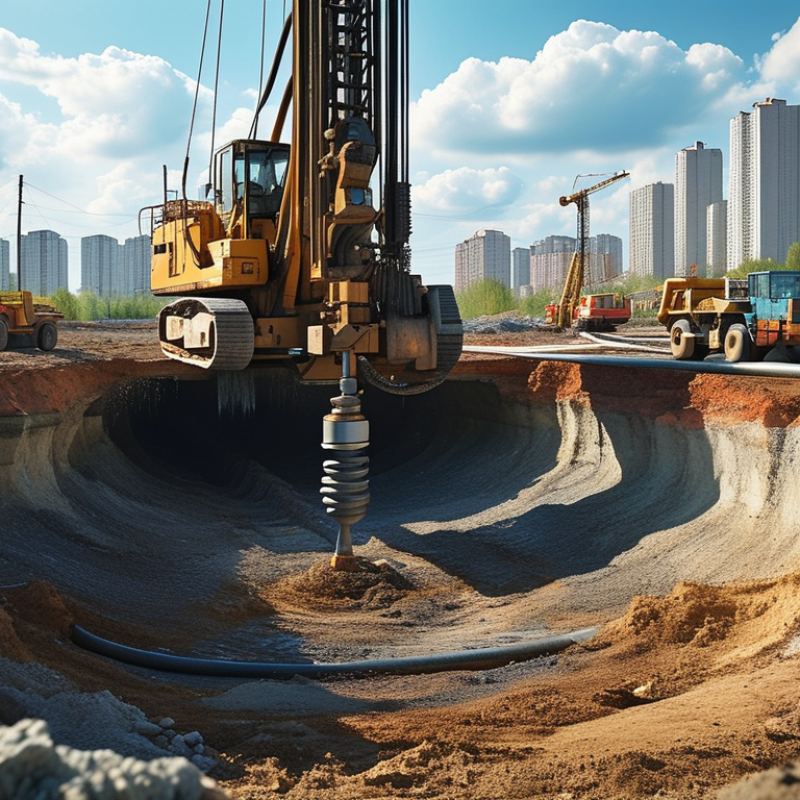
What is HDD Drilling in Construction?
HDD drilling, or horizontal directional drilling, is a trenchless construction technique. It allows for the installation of underground utilities without disturbing the surface. HDD drilling utilizes a drill rig to create a borehole, introducing minimal disruption to the surrounding environment. This method is particularly useful for urban areas where surface digging would cause significant disruption.
According to the International Association of Drilling Contractors, HDD can reduce the environmental impact of construction. Data indicates that HDD installations can minimize their footprint by up to 50 percent compared to traditional trenching methods. The process involves using a specialized drill head to guide the borehole. The drilling fluid, usually a mix of water and clay, keeps the hole stable while lubricating the drill head.
Despite its advantages, HDD is not without challenges. Geological variations can complicate the process, risking project timelines. Engineers sometimes face difficulties obtaining precise measurements in unpredictable ground conditions. Proper planning and site assessments are critical, yet inaccuracies can still occur. As HDD technology advances, continuous evaluation and improvement will be essential for overcoming these obstacles in the future.
Principles Behind Horizontal Directional Drilling
Horizontal Directional Drilling (HDD) is a method used in construction. It allows for the installation of underground utility lines without disturbing the surface. The drill creates a horizontal bore from the entry point to the exit point. This process minimizes disruption to the environment, making it a popular choice for urban areas.
The principles behind HDD are fascinating. A specialized drill bit is used to penetrate the soil. The drill follows a pre-determined path, guided by sensors. This technique also involves using drilling fluid, which cools the drill bit and carries the cuttings away. The mixture of water and additives helps maintain stability in the bore hole. Despite its many advantages, HDD can face challenges. Issues such as excessive friction and unexpected soil conditions can occur. These factors may lead to project delays or complications.
The accuracy of HDD is impressive, but it’s not infallible. Miscalculations in the drilling path can result in costly repairs. Maintaining an efficient drilling process requires skilled operators and adequate planning. Continuous learning and adaptation to new technologies are vital in this field. Balancing efficiency and safety is an ongoing challenge for professionals. In conclusion, while HDD has changed construction practices, it still demands careful execution.
What is HDD Drilling and How Does it Work in Construction? - Principles Behind Horizontal Directional Drilling
| Aspect | Details |
| Definition | Horizontal Directional Drilling (HDD) is a trenchless method used for installing underground utilities. |
| Applications | Telecommunications, water pipelines, sewer lines, oil, and gas pipelines. |
| Advantages | Minimal surface disruption, cost-effective for long distances, and reduced environmental impact. |
| Process Steps | 1. Planning and surveying
2. Pilot hole drilling
3. Reaming
4. Product installation |
| Equipment Used | Drill rig, drill rods, drilling fluid, and locators. |
| Challenges | Ground conditions, depth control, and environmental regulations. |
Essential Equipment and Technology Used in HDD
HDD (Horizontal Directional Drilling) is a trenchless construction technique that employs specialized equipment. This method is often used for installing underground utilities. The essential equipment includes drilling rigs, drill bits, and fluid circulation systems. According to a 2021 market report, HDD technology is expected to grow at a CAGR of 9.9% until 2026. This growth reflects increasing infrastructure demand and urban development.
Drilling rigs are a key component. They are equipped to handle various soil conditions. Drill bits are designed for specific geological formations. Water or specific drilling fluids are used for lubrication and cooling. The drilling process usually involves three main stages: pilot hole drilling, reaming, and pipe installation. Each stage requires precise measurements and control.
Inadequate planning can lead to complications. For instance, poor soil analysis may cause the rig to veer off course. It's crucial to select the right equipment for the job. Additionally, regular maintenance of rigs can prevent unexpected downtime.
For project efficiency, conduct thorough site assessments. Using the right technology can boost precision and reduce costs. Properly trained operators will ensure effective execution. Monitoring environmental impact is also essential in today’s construction practices. Implementing these tips can lead to smoother operations and better project outcomes.
Step-by-Step Process of HDD Drilling
HDD drilling, or horizontal directional drilling, is a common method in construction. This technique allows for the installation of pipes under obstacles like roads or buildings. The process begins with a pilot hole. A drilling rig creates this hole at a specified angle. After that, the hole is enlarged using reamers. This step ensures that the diameter is suitable for the pipe being laid.
During the drilling, real-time monitoring is crucial. This helps in maintaining the correct path and depth. After reaming, the pipe is pulled back through the enlarged hole. Operators must ensure that the pipe is intact and correctly positioned. This step can be complex, as any deviation can lead to project delays.
Here are a few tips for effective HDD drilling. Use high-quality equipment to reduce the risk of failures. Regularly monitor the drilling fluid's properties for consistency. Planning the route carefully can help avoid unexpected obstacles underground. It's essential to reflect on daily progress and make adjustments as necessary to improve efficiency.
Applications and Benefits of HDD in Construction Projects
HDD, or Horizontal Directional Drilling, is revolutionizing construction projects. This technique allows for underground installation of pipes and cables. It minimizes disruption to the surface environment, making it ideal for urban areas. Engineers can navigate complex underground conditions with precision, avoiding existing utilities. The process involves drilling a pilot hole, which is then expanded to accommodate the installation material.
The benefits of HDD are clear. It reduces the need for extensive excavation, which can save time and costs. Project timelines are often shorter, as surface restoration is minimal. HDD is also environmentally friendly; it limits the impact on natural habitats and existing infrastructure. However, challenges exist. Drillers must accurately assess soil conditions. Miscalculations can lead to costly delays and project inefficiencies. Despite this, the long-term advantages often outweigh these risks. With careful planning, HDD remains a vital method in modern construction.
HDD Drilling Applications in Construction
This bar chart illustrates the various applications of Horizontal Directional Drilling (HDD) in construction projects, highlighting the percentage of usage across different sectors such as utility installations, telecommunications, and sewage systems.
