High Temperature Conveyor Rollers Guide for 2026 Canton Fair?
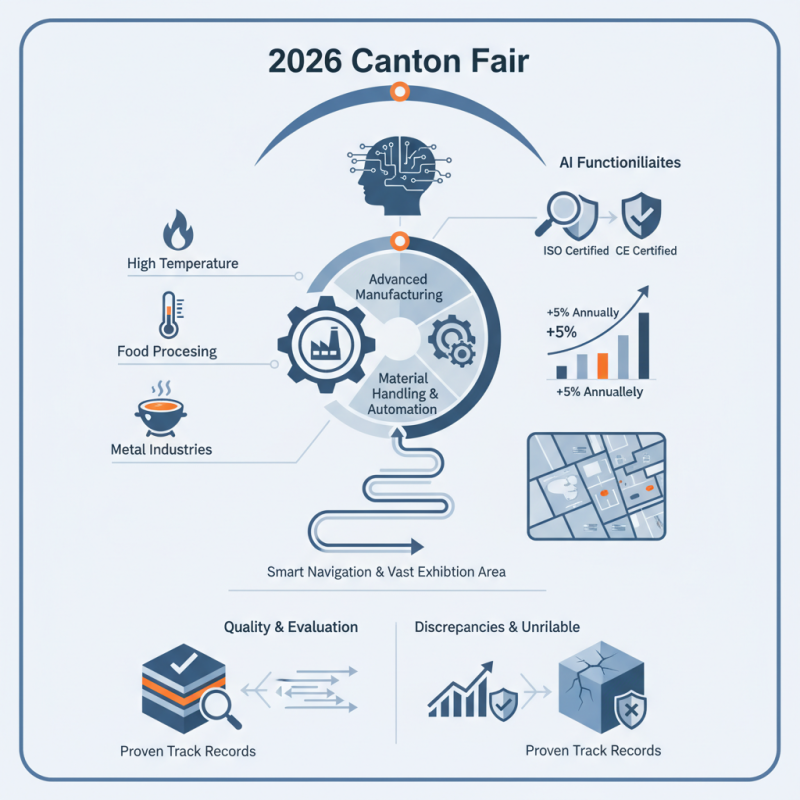
In the context of the upcoming 2026 Canton Fair, the role of High Temperature Conveyor Rollers becomes increasingly vital. As industries focus on advanced manufacturing and materials, these rollers offer significant operational advantages. They can withstand extreme temperatures, making them ideal for sectors like food processing and metal industries. Research indicates that the demand for high-temperature applications is projected to grow by over 5% annually.
The Canton Fair will showcase innovations in automation and material handling, enhancing efficiency across multiple sectors. With the integration of AI functionalities, attendees can quickly identify suppliers meeting ISO and CE certifications for High Temperature Conveyor Rollers. This smart navigation saves time and improves the overall purchasing experience in a vast exhibition area.
However, not all manufacturers meet these high standards. Buyers must conduct thorough evaluations. Recognizing quality should not be overlooked. Detailed assessments can uncover discrepancies in product specifications or supplier reliability. As we approach the Fair, it is essential to reflect on the evolving needs of your operations and ensure that suppliers have proven track records.
Introduction to High Temperature Conveyor Rollers
High temperature conveyor rollers are crucial in industries that deal with extreme heat. These rollers are designed to endure temperatures above the norm, making them ideal for processes like metal processing, glass production, and certain chemical operations. They ensure the steady movement of materials without warping or wearing out prematurely.
The materials used in high temperature conveyor rollers are engineered for durability. Commonly, they incorporate heat-resistant alloys and special coatings. These features help resist thermal expansion and prevent damage over time. However, the cost of these materials can be significant, leading to budgetary concerns for some businesses. Choosing the right roller is essential but can be challenging because many factors influence performance.
Regular maintenance of these rollers is critical. Over time, build-up from heat or debris can cause issues. Monitoring the condition of rollers can prevent unexpected breakdowns. Unfortunately, not all operations have trained personnel for this. Investing in training can lead to better performance and longevity of equipment. The balance between cost and effectiveness remains a topic of discussion among many manufacturers.
Key Features and Benefits of High Temperature Conveyor Rollers
High temperature conveyor rollers are essential for various industries. The 2023 report from the Conveyor Equipment Manufacturers Association (CEMA) highlights the growing demand for these specialized rollers. Their ability to withstand extreme temperatures makes them ideal for applications like metal processing and plastic manufacturing.
One key benefit of high temperature conveyor rollers is their enhanced durability. Made from robust materials, they can withstand temperatures exceeding 200 degrees Celsius. This resilience results in less frequent replacements. Consequently, companies can save on maintenance costs. In an analysis by Industry Research, it was noted that businesses investing in high temperature conveyor systems saw a reduction in downtime by approximately 25%.
However, there are challenges. High temperature environments can lead to wear and tear if not managed properly. Some users report that inadequate cooling systems cause premature roller failure. Regular inspections are crucial to mitigating such risks. Proper training for staff handling these systems is equally important. Investing in both technology and training can significantly improve operational efficiency.
High Temperature Conveyor Rollers Guide for 2026 Canton Fair
| Feature | Description | Benefits |
| Material | Heat-resistant materials like high-grade steel or ceramic coatings | Enhances durability and resistance to wear in high-temperature environments |
| Temperature Range | Operational up to 400°C | Allows for efficiency in industries dealing with high heat processes |
| Design | Low-friction design with sealed bearings | Reduces maintenance requirements and prolongs service life |
| Load Capacity | Can support heavy loads up to 1000 kg | Ensures reliable operation under demanding conditions |
| Applications | Used in metallurgy, ceramics, and food processing industries | Versatile for various high-temperature processes |
Applications in Industrial Settings at the Canton Fair
High temperature conveyor rollers are essential in various industrial sectors, especially for processes involving heat. At the 2026 Canton Fair, these rollers will showcase their capabilities in handling heavy loads in high-heat environments. Industries such as food processing, metal manufacturing, and glass production can benefit greatly from these solutions. A recent industry report indicates that high-temperature conveyor systems can improve efficiencies by up to 30%. This makes them a vital asset for businesses looking to enhance operations.
When selecting high temperature rollers, consider material resilience and thermal stability. Corrosion resistance is another critical factor. Choose rollers made from durable alloys or specialized materials designed to withstand elevated temperatures. Remember, not every roller fits all applications. It’s essential to assess your specific environment before making a decision.
**Tip:** Always request a sample or prototype before a bulk purchase. Testing in your setting can reveal important insights. Pay attention to how the rollers perform under actual conditions. Any discrepancies should be addressed early. Taking these steps can save both time and money in the long run.
Maintenance Tips for High Temperature Conveyor Rollers
Maintaining high temperature conveyor rollers is crucial for optimal performance. These rollers must withstand extreme conditions without compromising their functionality. Regular inspections should happen to identify wear and tear early. Look for signs of distortion or excessive heat damage. Ignoring these indicators can lead to bigger problems later.
Cleaning is another vital aspect. High temperatures can cause residue build-up, which affects efficiency. A simple solution is to use an appropriate cleaning agent that won’t damage the roller material. Make sure the surface is smooth and free of debris. Sometimes, it may seem tedious, but it’s essential for safety and reliability.
Proper lubrication extends the life of these rollers. Use lubricants designed for high-temperature applications. Applying too much or too little can be detrimental. Test different amounts to find the sweet spot. It’s an ongoing process of trial and error. Regularly revisit your maintenance schedule to ensure it meets the needs of evolving operational demands.
Future Trends and Innovations in Conveyor Roller Technology
As the 2026 Canton Fair approaches, innovations in conveyor roller technology are on the horizon. Recent industry reports indicate a growing demand for high-temperature conveyor rollers. These rollers can support temperatures exceeding 200 degrees Celsius. This capability is essential for many industries, especially food and pharmaceuticals. The rise in automation also drives this trend. Companies seek efficient solutions that handle extreme conditions.
One notable trend is the use of advanced materials. Manufacturers are increasingly utilizing composites that withstand heat and reduce friction. These materials improve performance and extend the lifespan of conveyor systems. However, some manufacturers still struggle with quality control. Ensuring consistency in production remains a challenge for many.
Tips: When selecting conveyor rollers, consider temperature ratings. Always prioritize quality over price. Investing in durable materials can save costs in the long run. Pay attention to the specific needs of your operations. Tailoring solutions is essential for maximum efficiency. You can be adaptive but be cautious of oversights that might affect system performance.
Future Trends in High Temperature Conveyor Rollers
This bar chart illustrates the projected average maximum operating temperatures for high temperature conveyor rollers from 2022 to 2026. As technology advances, it is anticipated that the materials used in conveyor roller construction will allow for higher temperature tolerances, improving efficiency in various industrial applications.
