
What Is an Insulin Syringe and What Types Are Available?
An Insulin Syringe is a small, calibrated device for injecting insulin beneath the skin. Its barrel, plunger, needle, and unit markings may look simple, but each detail affects how a dose is measured and delivered. The International Diabetes Federation’s 2025 Diabetes Atlas estimates that 589 million adults aged 20–79 were living with diabetes in 2024. Many need insulin as part of their care. That scale makes clear, dependable injection tools important.
Syringes vary by capacity, needle length, and needle gauge. Common capacities include 0.3 mL, 0.5 mL, and 1 mL; the right choice depends on the prescribed dose and the product’s concentration. A shorter needle may suit some users, while a finer one can feel less uncomfortable. But comfort is only one consideration. The markings must match the insulin concentration, and the prescribed dose should guide selection. A tiny mismatch matters.
A useful introduction should also distinguish insulin syringes from insulin pens and other delivery devices. Each has practical trade-offs in handling, visibility, portability, and dose measurement. Dr. Irl B. Hirsch is a recognized diabetes-care and insulin-therapy specialist, but no verifiable, topic-specific quotation from him was provided or available to cite confidently here. I won’t invent one. This guide therefore focuses on established device features and safe, clinician-guided use, while recognizing that choosing a syringe can feel more technical than its size suggests.
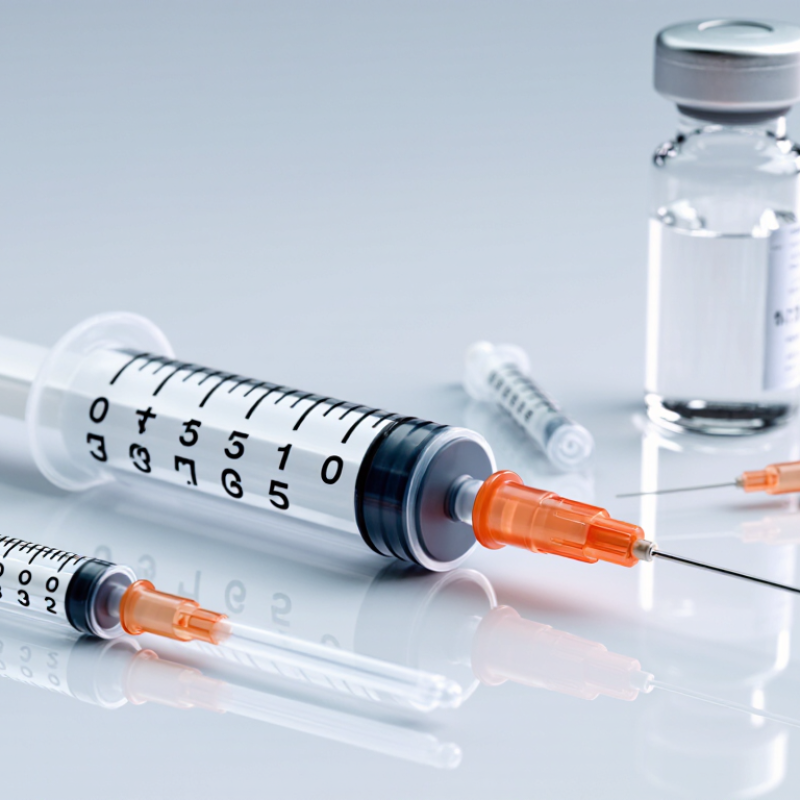
Table of Contents [Hide]
Definition and Purpose of an Insulin Syringe
An insulin syringe is a sterile, single-use device for measuring and injecting insulin, usually drawn from a vial. Its main parts are a barrel with unit markings, a plunger, and a fine needle. The markings help measure a prescribed dose; they do not decide what dose a person needs. That distinction matters.
Syringes come in different capacities and needle lengths, and their scales correspond to specific insulin concentrations. The syringe and insulin concentration must match. The U.S. Food and Drug Administration cautions that using a syringe not suited to the insulin concentration can cause dosing errors. A clinician or pharmacist can check the match and demonstrate safe technique.
The International Diabetes Federation’s 2021 Diabetes Atlas estimated that 537 million adults worldwide were living with diabetes. That figure does not represent insulin users, but it shows the scale of diabetes care. For someone prescribed vial-based insulin, a syringe provides a direct way to measure and deliver a dose. Read the scale at eye level, and pause if a marking is unclear. One small line can matter. Syringes may look alike, and that can be easy to overlook.
What Is an Insulin Syringe and What Types Are Available? - Definition and Purpose of an Insulin Syringe
| Category | Type or feature | Typical details | Purpose and practical considerations |
|---|---|---|---|
| Definition | Insulin syringe | A small syringe marked in insulin units and intended for subcutaneous insulin injections. | It measures and delivers a prescribed insulin dose. It is different from a syringe calibrated only in milliliters. |
| Capacity | 0.3 mL (30-unit) syringe | Holds up to 30 units when designed for U-100 insulin. | Often selected for smaller doses because its scale can make dose markings easier to read. |
| Capacity | 0.5 mL (50-unit) syringe | Holds up to 50 units when designed for U-100 insulin. | Provides a middle capacity; the prescribed dose must fall within the syringe’s marked range. |
| Capacity | 1 mL (100-unit) syringe | Holds up to 100 units when designed for U-100 insulin. | Can accommodate larger doses, although the markings may be less finely spaced than on a smaller-capacity syringe. |
| Insulin concentration | U-100-compatible syringe | Calibrated for insulin containing 100 units per milliliter. | Use only with the insulin concentration and device specified by a healthcare professional. The concentration and syringe scale must match. |
| Insulin concentration | Other insulin concentrations | Some insulin products have concentrations other than U-100 and may require a specifically matched delivery device. | Do not assume a standard U-100 syringe is suitable. Follow the product instructions and clinician or pharmacist guidance; do not convert doses on your own. |
| Needle design | Fixed needle | The needle is permanently attached to the syringe. | Common in insulin syringes; the integrated design avoids changing needles and is intended for single use. |
| Needle design | Needle length and gauge | Products are available in different lengths and gauges. Gauge describes needle thickness; a higher gauge number generally indicates a thinner needle. | The appropriate option depends on the person and clinical instructions. Follow the product labeling and advice from a healthcare professional. |
| Primary purpose | Subcutaneous injection | Insulin is generally injected into the fatty tissue beneath the skin, using a site and technique recommended for the individual. | Injection technique and site rotation can affect comfort and insulin absorption. Ask a healthcare professional for instruction tailored to your needs. |
| Safe handling | Single-use and disposal | Insulin syringes are generally intended for one use and should not be shared. | Dispose of used needles in an approved sharps container and follow local disposal rules. Do not recap or handle a used needle unnecessarily. |
Important: Always confirm the insulin concentration, syringe calibration, and prescribed dose before use. Product availability and labeling can vary. This table is for general information and does not replace instructions from a healthcare professional or the product’s official labeling.