
What Is Natural Fiber Cellulose Used For?
Natural Fiber Cellulose is a versatile material found in wood, cotton, bamboo, hemp, and agricultural residues. Its long, strong fibers create useful structures without relying on synthetic polymers. Manufacturers use it to produce paper, cardboard, tissue, and molded packaging. A corrugated box shows its value clearly. It can remain light while protecting products during transport. Cellulose also supports textile production, especially through cotton and regenerated fibers such as viscose and lyocell. The texture matters. Depending on processing, fabrics may feel crisp, soft, breathable, or highly absorbent.
Beyond familiar products, cellulose appears in food packaging, insulation, filters, coatings, and construction boards. Scientists can refine its fibers into nanocellulose for lightweight films, specialty papers, and composite materials. Pharmaceutical and personal-care industries also use modified cellulose as a thickener, stabilizer, or controlled-release ingredient. These applications require careful testing. Moisture, heat, microbial activity, and chemical treatments can change performance. That distinction matters. A cellulose-based product is not automatically biodegradable in every environment. Blended fabrics, inks, adhesives, and protective finishes may slow decomposition considerably. Responsible decisions therefore depend on fiber origin, manufacturing energy, durability, and end-of-life conditions. The picture is not perfect. Some renewable sources can still create pressure on forests, water supplies, or farmland. A reliable evaluation should examine certification, traceability, laboratory data, and real disposal systems. Understanding these limits helps businesses choose Natural Fiber Cellulose for practical performance, not merely attractive environmental claims.
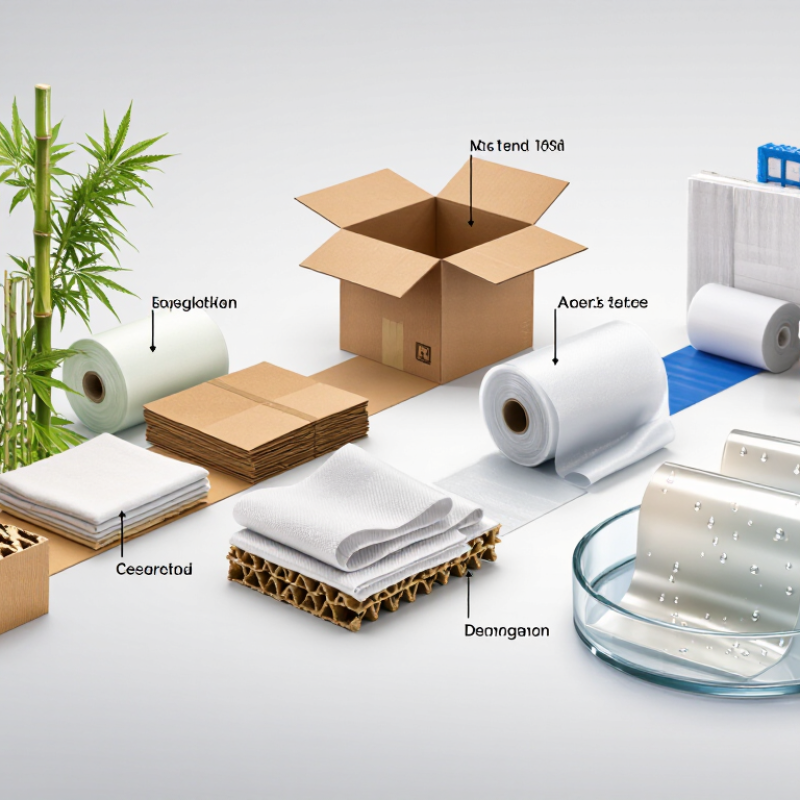
Table of Contents [Hide]
What Is Natural Fiber Cellulose?
What Is Natural Fiber Cellulose Used For?
What Is Natural Fiber Cellulose?
Natural fiber cellulose is a plant-based material found in cotton, flax, hemp, and wood. It forms the strong walls that help plants stand upright. Chemically, cellulose is a long chain of glucose molecules, but it is not a simple sugar in practical use.
Manufacturers separate, clean, and shape these fibers for different purposes. Cotton cellulose becomes soft clothing, towels, and medical gauze. Flax and hemp can create durable fabrics with a slightly rougher touch. Wood cellulose is commonly processed into paper, cardboard, tissue, and molded packaging. It can also support filtration materials, insulation, and some construction products.
It feels ordinary. Its uses are not.
Cellulose absorbs moisture, holds its shape reasonably well, and can be engineered into thin, strong sheets. In a paper filter, its tangled fibers catch particles while allowing air or liquid to pass. In packaging, molded cellulose can cushion small objects during shipping. However, “natural” does not always mean compostable or harmless. Dyes, coatings, adhesives, and chemical treatments may change its environmental behavior.
The term also needs careful use. Some cellulose-based fibers are heavily processed before becoming fabric. They may still begin with plant cellulose, but their final properties differ from raw cotton or flax. In practice, checking the fiber source, processing method, durability, and disposal conditions gives a more reliable picture than the word “natural” alone.
What Is Natural Fiber Cellulose Used For?
| Application Area | Typical Cellulose-Based Material | Primary Use | Useful Properties | Key Considerations |
|---|---|---|---|---|
| Clothing and Textiles | Cotton, flax, hemp, and regenerated cellulose fibers | Shirts, dresses, underwear, towels, bed linen, and home textiles | Soft hand feel, moisture absorption, breathability, and comfort in warm conditions | Moisture can reduce strength in some cellulose fibers, and untreated fabrics may wrinkle or shrink. |
| Paper and Packaging | Wood pulp, recycled paper fiber, molded cellulose, and corrugated fiberboard | Writing paper, cartons, protective packaging, tissue, and paper bags | Renewable feedstock, low density, printability, and good stiffness-to-weight performance | Moisture resistance often requires coatings or additives; recycling quality depends on fiber length and contamination. |
| Personal Care Products | Cellulose pulp, cotton fiber, and cellulose-based nonwovens | Facial tissues, wipes, cotton pads, absorbent cores, and hygiene products | High absorbency, softness, low skin irritation potential, and ability to form lightweight webs | “Biodegradable” performance depends on the complete product, including binders, finishes, and packaging. |
| Food and Pharmaceutical Uses | Microcrystalline cellulose, powdered cellulose, and cellulose derivatives | Bulking agents, tablet binders, stabilizers, thickeners, and anti-caking ingredients | Generally inert, low-calorie, water-binding, and useful for controlling texture or tablet structure | The specific form and purity must meet applicable food or pharmaceutical safety requirements. |
| Construction Materials | Wood fiber, cellulose insulation, cellulose fiber cement, and fiber-reinforced composites | Thermal insulation, lightweight boards, building panels, and reinforcement | Low thermal conductivity, lightweight structure, sound absorption, and use of recovered paper in some products | Fire resistance, moisture control, pest protection, and installation quality are important for long-term performance. |
| Composites and Automotive Components | Flax, hemp, jute, wood fiber, and cellulose-reinforced polymers | Interior panels, door components, trim parts, furniture panels, and molded products | Low weight, renewable reinforcement, vibration damping, and reduced reliance on mineral fillers in some designs | Performance varies with fiber orientation, moisture content, resin type, and manufacturing conditions. |
| Filters and Technical Nonwovens | Cellulose paper, cellulose acetate, and cellulose-based filter media | Air filtration, liquid filtration, laboratory media, and industrial filter elements | Controlled pore structure, good wetting, lightweight construction, and compatibility with many aqueous systems | Filtration efficiency, pressure drop, wet strength, and chemical compatibility must be matched to the application. |
| Bio-Based Films and Coatings | Cellulose nanofibers, cellulose nanocrystals, regenerated cellulose, and cellulose derivatives | Transparent films, barrier layers, coatings, labels, and specialty packaging | Film-forming ability, optical clarity in some formulations, high specific strength, and renewable origin | Cellulose is naturally sensitive to moisture, so oxygen and water-vapor barrier performance may require modification. |
| Agriculture and Horticulture | Cellulose mulch, paper-based growing materials, and cellulose-based hydrogels or carriers | Mulching, seed coatings, erosion control, soil conditioning, and controlled-release systems | Biodegradability under suitable conditions, water retention, and ability to provide temporary physical coverage | Decomposition rate depends on temperature, moisture, microorganisms, fiber treatment, and material thickness. |
| Renewable Energy and Bioprocessing | Lignocellulosic biomass from wood, agricultural residues, and dedicated fiber crops | Feedstock for biofuels, biochemicals, sugars, and biomaterial production | Abundant non-food carbon source and potential use of residues that would otherwise require disposal | Pretreatment and enzymatic conversion are needed because cellulose is bonded with hemicellulose and lignin in plant biomass. |