What is a Nylon Insulated Terminal and its Benefits?
In the world of electrical connections, the Nylon Insulated Terminal stands out for its durability and safety. According to industry expert John Smith, "A Nylon Insulated Terminal enhances protection against corrosion and wear." This innovation plays a pivotal role in ensuring reliable connections in various applications.
Nylon Insulated Terminals are designed to withstand harsh conditions. Their insulation reduces the risk of short circuits and electrical failures. In automotive and industrial settings, these terminals improve the longevity of electrical systems. The blend of nylon and metal provides robustness, yet they are often overlooked.
Despite their benefits, some installers may underestimate their importance. Proper usage of Nylon Insulated Terminals can significantly reduce maintenance costs. Awareness is essential for maximizing their advantages. Engineers and electricians should prioritize education on these terminals. Each neglected connection can lead to functional issues, prompting reflection on best practices.
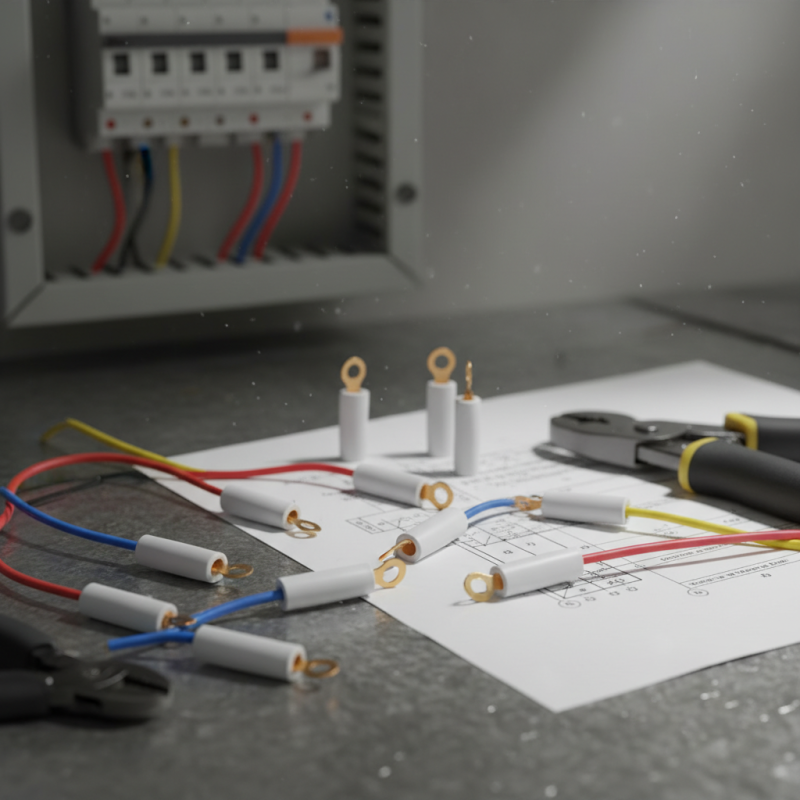
What is a Nylon Insulated Terminal?
Nylon insulated terminals are crucial components in electrical connections. They consist of a metal terminal surrounded by a nylon cover. This design protects the connection against moisture and corrosion. The nylon adds durability and flexibility, making these terminals ideal for various applications.
In practice, nylon insulated terminals offer significant advantages. They can withstand higher temperatures compared to other materials. This is valuable in environments where heat is a concern. Moreover, they are easier to handle and install. However, improper installation can lead to connection failures. Proper techniques must be followed to ensure reliability.
Not every project needs nylon insulated terminals, though. For lower-impact applications, simpler alternatives may suffice. Yet, the long-term benefits often outweigh initial costs. Choosing the right terminal is essential for safety and performance.
Nylon Insulated Terminal Benefits Analysis
The Structure and Material Composition of Nylon Insulated Terminals
Nylon insulated terminals are crucial components in electrical engineering. Their structure significantly influences their performance. Typically, these terminals consist of a metal base coated with nylon insulation. The metal allows for excellent electrical conductivity, while nylon provides protection and durability. The nylon's properties help resist heat and moisture, making these terminals suitable for various environments.
The combination of materials in nylon insulated terminals is noteworthy. The nylon casing is not only flexible but also robust. This ensures a secure connection that minimizes the risk of shorts. Additionally, the nylon can withstand harsh conditions, resisting corrosion and other damaging factors. It's interesting how the balance between flexibility and rigidity in nylon can affect the terminal's overall performance.
However, there are limitations to consider. Nylon can degrade over time, especially under extreme conditions. It's essential to regularly inspect these terminals for signs of wear. The manufacturing quality also affects their longevity. Sometimes, individuals overlook these factors, leading to unexpected failures. Proper understanding and maintenance are key to ensuring the reliability of nylon insulated terminals.
Key Features and Advantages of Nylon Insulated Terminals
Nylon insulated terminals are essential components in electrical connections. They provide a reliable way to connect wires securely. These terminals help prevent electrical shorts and enhance safety in various applications. The nylon material offers superior insulation, reducing the risk of accidental contact.
One key feature of nylon insulated terminals is their durability. They can withstand high temperatures and resist corrosion. This makes them ideal for outdoor use or in harsh environments. Many users appreciate the ease of installation. Simply crimp them onto a wire, and you have a solid connection.
Another advantage is their versatility. They come in different sizes and configurations, catering to various wiring needs. However, some may find choosing the right size challenging. It's easy to overlook preciseness in technical details. Ensuring the right fit is crucial for optimal performance. Taking time to verify specifications can prevent future issues.
Applications of Nylon Insulated Terminals in Electrical Systems
Nylon insulated terminals are widely used in electrical systems. Their versatility makes them suitable for various applications. These terminals provide protection against environmental factors. They are resistant to moisture, chemicals, and heat, ensuring long-term reliability.
In automotive applications, nylon insulated terminals play a crucial role. They connect wires safely within vehicles, preventing corrosion and ensuring stable connections. Reports indicate that vehicles with quality connections reduce electrical failures by 20%. This is vital for modern cars with complex electrical systems.
Tips: Always check the insulation quality before installation. A small oversight can lead to failures.
In industrial settings, these terminals are essential. They withstand harsh environments, helping maintain safety standards. In high-voltage applications, nylon terminals prevent arcing and enhance performance. According to industry standards, terminals can handle temperatures up to 105 degrees Celsius without compromising their integrity.
Tips: Choose terminals based on specific application needs. Each environment has unique demands. Regular inspections can prevent costly downtime.
Comparing Nylon Insulated Terminals with Other Types of Terminals
Nylon insulated terminals are popular in various applications due to their unique benefits. A key advantage is their durability. According to industry reports, nylon terminals can withstand temperatures from -40°C to 105°C. This versatility makes them suitable for both indoor and outdoor settings. Their resistance to abrasion is another aspect worthy of attention. In harsh environments, nylon terminals maintain integrity better than uninsulated or plastic terminals.
When comparing nylon insulated terminals to other types, there are trade-offs to consider. For example, copper terminals are highly conductive but vulnerable to corrosion. In contrast, nylon terminals provide a good balance of conductivity and protection from environmental factors. Some studies have shown that nylon insulated terminals reduce the risk of electrical failures by up to 30%. However, not all applications benefit from nylon. If space is limited, alternative materials might be more appropriate.
Despite their advantages, nylon insulated terminals have limitations. For high-demand industrial environments, their insulation properties may not suffice. They are also more expensive than basic plastic alternatives. Users must weigh the benefits against their specific application needs. Some might find that the added costs do not justify the performance increase. It's crucial to analyze the requirements before choosing the right terminal type.
