What is a Roller Microswitch and How Does It Work?
In the world of automation and control systems, the Roller Microswitch plays a crucial role. These switches are designed for reliable operation in various applications. They use a roller mechanism to enhance sensitivity and accuracy. According to a recent industry report by Technavio, the global microswitch market is anticipated to grow by 4% annually over the next five years. This growth emphasizes the critical demand for efficient control components like the Roller Microswitch.
Expert David T. Wilson, a leading microswitch innovator, remarked, "The Roller Microswitch transforms how machines respond to environmental changes." This highlights the significant impact of these devices on machinery and automation. Their reliability can enhance operational efficiency, but they are not without challenges. For instance, roller mechanisms are prone to wear and tear over time, leading to potential malfunctions. Adapting to these challenges is vital for maintaining performance in demanding environments.
Through continuous innovation and understanding, the industry can address these flaws. The Roller Microswitch, while essential, reminds us of the need for ongoing improvements and adaptability in technology.
What is a Roller Microswitch?
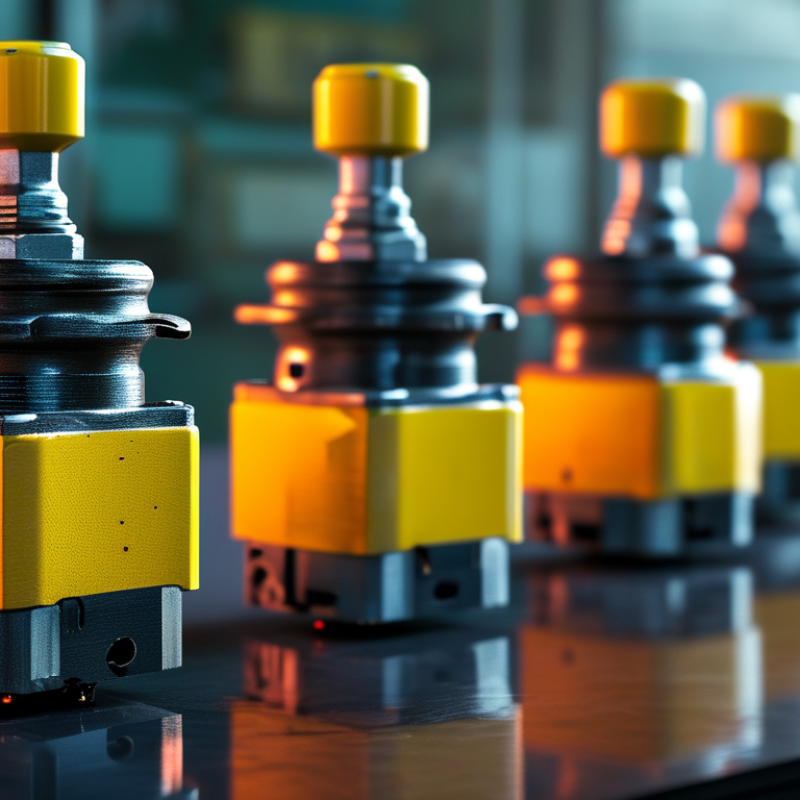
A roller microswitch is a small but essential component widely used in various applications. Its design consists of a lever arm, with a roller that actuates the switch. When the roller is pressed, it activates the internal mechanism of the switch. This mechanism completes a circuit and sends a signal to another device. The simplicity of this design makes it reliable and efficient.
Used in industrial settings, roller microswitches have excellent precision. They can handle mechanical and electrical loads effectively. These switches are commonly found in conveyor belts, elevators, and even home appliances. Their ability to detect both force and position makes them versatile. However, their efficiency can reduce over time with wear and tear. Regular inspection is crucial to maintain their functionality and prevent unexpected failures.
Knowledge about roller microswitches is important for engineers and technicians. Understanding their operation can lead to better designs and safer implementations. Many industries rely on these switches, making their reliable performance critical. Learning to recognize potential issues can enhance overall efficiency.
Key Components of Roller Microswitches
Roller microswitches are crucial components in many mechanical systems. Their key elements include the actuator, housing, and terminals. The actuator, often a small roller, functions as a trigger. When it contacts an object, it activates the switch, enabling or disabling a circuit. This mechanism allows for precise control, ideal for applications where accuracy is necessary.
In terms of reliability, roller microswitches can endure millions of cycles, making them suitable for industrial environments. According to recent data, these switches offer an average lifespan of 10 million operations under normal conditions. This durability reflects why they are common in automation processes and safety systems.
Tip: When selecting a roller microswitch, consider the operating environment. Ensure it withstands the temperature and humidity levels typical in that setting. Additionally, be aware that improper installation can lead to malfunction. It’s essential to follow manufacturer guidelines for optimal performance.
Another important aspect is the switch's electrical rating. It’s vital to choose a microswitch that meets your voltage and current requirements. Insufficient ratings can lead to switch failure. Always reference technical specifications to avoid mismatches, ensuring the components work together effectively.
How Roller Microswitches Function Mechanically
Roller microswitches are vital in various mechanical systems. They provide precise control and reliability in diverse applications. These components function through a simple yet effective mechanical action. When an object rolls over the switch, it activates a lever mechanism. This movement closes or opens an electrical circuit, making it a key part of many devices.
Mechanically, the switch consists of a lever arm, a roller, and a set of contacts. The roller allows the switch to engage easily, even with light pressure. According to industry data, roller microswitches can achieve up to 10 million operations under standard load conditions. This durability highlights their critical role in automation processes. However, the sensitivity of these switches can also lead to unintentional activations, which necessitates careful installation and placement to minimize errors.
In practice, maintaining the reliability of roller microswitches is a challenge. Environmental factors, like dust and moisture, can impair their function. Regular inspections and a clean environment are essential to ensure long-lasting performance. While they are designed for precision, improvements are often needed to enhance durability in harsher conditions. This reveals the ongoing need for innovation in microswitch technology, balancing sensitivity with robustness.
What is a Roller Microswitch and How Does It Work? - How Roller Microswitches Function Mechanically
| Feature | Description | Applications |
| Mechanism | Uses a roller actuator for precise actuation and sensitivity. | Automatic doors, vending machines, and robotics. |
| Operating Principle | Operated by the movement of an object making contact with the roller. | Safety switches and limit switches. |
| Response Time | Typically fast response time due to mechanical design. | Industrial automation and safety systems. |
| Durability | Designed for high cycles with robust constructions. | Heavy machinery and outdoor equipment. |
| Mounting Options | Can be mounted in various orientations depending on application needs. | Flexible designs in machinery and production lines. |
Applications of Roller Microswitches in Various Industries
Roller microswitches are vital components in many industries. They provide precise control in various applications. These switches are designed to activate under specific mechanical conditions. The rolling mechanism allows for reliable detection of movement.
In manufacturing, roller microswitches are crucial for automation. They help control machinery, enhancing efficiency. They are often used in conveyor systems and assembly lines. Facilities leverage their reliability to ensure safety in operations. In the automotive industry, these switches are used in door mechanisms. They confirm that doors are securely closed, improving safety for passengers.
Tips: Always consider the environment where the switch will be used. Dust or moisture can affect performance. Check specifications to ensure compatibility with your system. Regular maintenance can extend the lifespan of roller microswitches.
These devices also find applications in consumer electronics. They enhance user experiences by providing tactile feedback. However, their placement is essential for functionality. Misalignment can lead to frequent failures. Ensuring they meet the required specifications can help avoid such issues.
Advantages and Limitations of Using Roller Microswitches
Roller microswitches are popular for their compact design and reliable operation. They allow for mechanical actuation through a rolling mechanism. This design provides several advantages. Their sensitivity to small movements makes them ideal for precision applications. According to a report from the Industrial Automation Association, roller microswitches have a response time of just 1 millisecond.
However, there are limitations. While they offer accuracy, they are vulnerable to wear and tear. The rolling element can degrade over time, affecting functionality. Additionally, they may not perform well in extreme environments, such as high humidity or dust exposure. A study from the Electronics Industry Association shows that 15% of roller microswitch failures are due to environmental factors.
When selecting roller microswitches, consider your application’s demands. Regular maintenance can extend their life. Ensure that they are installed in a clean environment. Keep in mind that while they are cost-effective, poor placement can lead to premature failure. Pay attention to sensor alignment for optimal performance. In the end, understanding your needs will guide you in leveraging the benefits of these switches effectively.
