
Superabrasive

10 Tips to Choose the Best WPC Decking Panels?

Choosing the right Wpc Decking Panel is not only a design decision. It affects safety, maintenance, comfort, and long-term project cost.

Dr. Andrzej K. Bledzki, a respected researcher in wood-plastic composites, explains, “WPCs are engineered materials, not simply wood mixed with plastic.” This principle matters. Each panel combines different fibers, polymers, additives, surface textures, and manufacturing methods. Therefore, two boards with similar colors may perform very differently outdoors.

This guide presents ten practical tips for comparing WPC decking panels before purchase. It examines recycled content, core structure, board dimensions, surface protection, water drainage, slip resistance, UV stability, heat buildup, installation systems, and warranty terms. Small details deserve attention. Check the panel edge. Look for consistent density, clean extrusion, and secure fastening channels. A hollow board may reduce weight, but its design must resist crushing near screws and supports.

Think about your actual location. A sunny rooftop terrace needs stronger UV protection than a shaded garden walkway. Coastal air, frequent rain, and winter freezing also change material demands. Ask for technical data, installation spacing, load guidance, and maintenance instructions. Reliable suppliers should answer clearly.

No panel is perfect. Even premium products may fade slightly, become hot, or show scratches. That is worth admitting. A cheaper choice can appear sensible until replacement costs arrive. The best decision balances appearance, verified performance, installation quality, and honest expectations. Examine the evidence, not only the sample color.
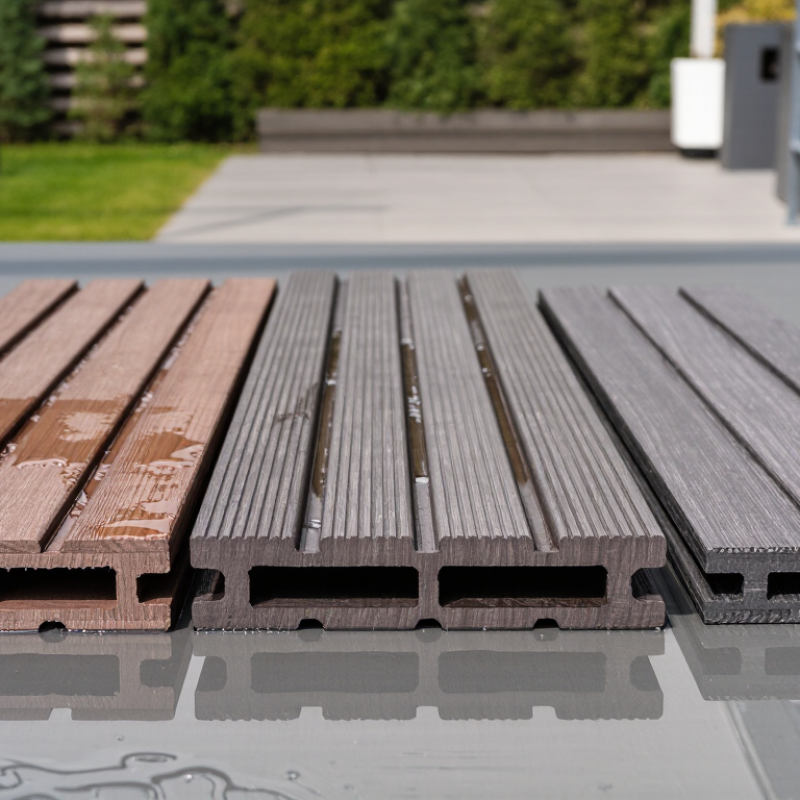
10 Tips to Choose the Best WPC Decking Panels?

Understand Your Space, Climate, and Decking Requirements

10 Tips to Choose the Best WPC Decking Panels

Understand Your Space, Climate, and Decking Requirements

Think in ten checks. Measure the usable area, door clearance, and stair positions. Inspect joist spacing before ordering panels. Wider boards may require stronger support. Confirm the manufacturer’s span tables, not internet guesses.

ASTM D7031 recommends checking flexural strength, fastener holding, moisture absorption, and weathering performance.

Study your local climate carefully. NOAA Climate Normals use 30 years of weather data, from 1991–2020, for reliable planning. Compare average rainfall, humidity, snowfall, and summer temperatures.

The IPCC’s Sixth Assessment Report found global temperatures were 1.09°C higher during 2011–2020 than 1850–1900. Heat and intense rain deserve attention.

Choose panels with suitable drainage gaps and low moisture expansion. A level deck is not enough. Water needs an exit.

Walk across the proposed space at different times. Dark surfaces can feel uncomfortable under strong sunlight. Textured finishes may improve wet-foot traction, but they still need cleaning. Check slip-resistance data when available.

Leave ventilation beneath the deck, especially over soil or concrete. Follow approved fastening methods and protect cut edges. WPC does not mean maintenance-free.

I have seen neglected boards stain around planters and grills. That detail is easy to underestimate. Color samples can also mislead because sunlight changes their appearance.

Test one panel outdoors for several days before committing.

Confirm load requirements for furniture, gatherings, and local snow conditions. Consult a qualified installer when the structure looks uncertain.

Compare WPC Composition, Strength, and Surface Performance

WPC decking performance starts with composition. USDA Forest Products Laboratory literature reports that many wood-plastic composites contain roughly 50–70% wood flour or fiber. More wood can improve stiffness and natural texture, but it may increase moisture sensitivity. Polyethylene, polypropylene, and PVC also behave differently under heat and impact. Ask for the exact wood-to-polymer ratio, coupling agents, stabilizers, and recycled-content percentage. A large recycled-content claim is not automatically better.

Tip 1: Compare tested flexural strength, not marketing language. ASTM D7031 recommends evaluating bending, water absorption, weathering, and fastener performance. Request laboratory results showing load capacity, modulus, and test conditions. A dense board may still crack around screws. My practical preference is a panel with consistent density across its full cross-section. Check a cut sample.

Tip 2: Examine surface performance after accelerated weathering. ASTM G154 uses ultraviolet exposure and condensation cycles to reveal fading, chalking, and cracking. EN 15534-1 also addresses moisture-related dimensional change and durability assessment. Look for slip-resistance data when the surface is wet, especially near pools or shaded areas. Textured embossing can improve grip, but deep grooves may collect dirt.

Tip 3: Compare water absorption and thickness swelling percentages. Small differences become visible after repeated rain, drying, and temperature changes. Reports often use controlled laboratory conditions, not real patios. That limitation matters. A small outdoor trial may expose drainage or color issues before installation.

Evaluate Panel Size, Design, Color, and Slip Resistance

10 Tips to Choose the Best WPC Decking Panels?

Panel size affects both appearance and installation time. Measure the deck area, joist spacing, access route, and expected expansion gaps before ordering. Longer panels create fewer joints, but they can be difficult to carry through narrow doors. Wider panels may look cleaner, yet they need accurate support beneath their edges. Check the technical sheet for permitted spans rather than relying on appearance. Small mistakes become visible later.

Design should suit the building, not only current trends. Compare grain direction, surface texture, and edge profiles with nearby doors or railings. Request physical samples and inspect them in morning sun, afternoon shade, and after rain. Colors often look warmer outdoors. Dark panels can also become uncomfortable under strong sunlight. I once chose a sample under indoor lighting; it looked different after installation. That was avoidable.

Slip resistance deserves practical testing. Ask for wet-condition test results and the relevant rating method used in your region. A rough surface may improve grip, but it can collect dirt and feel harsh under bare feet. Walk on a sample with wet shoes, then check how easily it cleans. Keep drainage clear, because standing water weakens real-world performance. A qualified installer should confirm spacing, fastening, ventilation, and local building requirements. Do not treat one attractive sample as enough evidence.

10 Tips to Choose the Best WPC Decking Panels? - Evaluate Panel Size, Design, Color, and Slip Resistance

No. Evaluation Dimension Recommended Reference What to Check Why It Matters Practical Selection Tip
1 Panel Length Choose lengths that reduce end joints for the installation area. Measure the deck layout and compare it with available panel lengths. Allow for cutting and expansion gaps. Fewer joints can create a cleaner appearance and reduce installation time and waste. Select the longest practical panels that can be transported and handled safely on site.
2 Panel Width Common WPC decking widths are approximately 135–150 mm. Confirm the actual cover width, not only the overall profile width, especially for grooved or clipped systems. Cover width affects the number of boards, installation speed, and the visual rhythm of the deck. Use wider panels for faster coverage and fewer lines; use narrower panels for more detailed layouts.
3 Panel Thickness and Profile Many decking boards are about 20–25 mm thick; verify the structural specification. Check whether the board is hollow or solid, the wall thickness, joist spacing, and the required fixing method. Profile geometry influences stiffness, weight, drainage, fastening, and resistance to local loads. Do not judge quality by thickness alone; match the profile with the supplier's tested joist-spacing limits.
4 Surface Design Choose a finish that supports the intended use and maintenance plan. Compare wood-grain embossing, brushed textures, grooves, capped surfaces, and the consistency of the pattern. Texture affects appearance, cleaning effort, tactile comfort, and wet-footing performance. Request physical samples because screen images cannot accurately show texture depth or color variation.
5 Color and Heat Absorption Light and medium tones generally show less solar heat than very dark tones. Compare samples outdoors and consider orientation, local climate, shade, and surrounding surfaces. Dark surfaces can become hotter in direct sun, which may affect barefoot comfort and color perception. For sunny or poolside areas, consider lighter colors and verify the product's outdoor weathering information.
6 Slip Resistance Prefer independently tested wet-slip performance suitable for the intended environment. Ask for the test method, wet and dry results, surface condition, and whether the result applies to the installed direction. Rain, water, algae, dust, and sunscreen can reduce traction, especially around pools and entrances. Choose a textured surface and maintain drainage and cleaning; do not rely on an unverified “non-slip” claim.
7 Dimensional Stability Composite boards expand and contract with temperature and moisture changes. Review installation gaps, end-to-end spacing, side clearances, ventilation, and the recommended fixing system. Insufficient allowances can cause buckling, distortion, squeaking, or pressure on fasteners. Follow the installation guide for the actual climate and board length instead of using generic gap sizes.
8 Water Drainage and Ventilation A deck should have adequate slope, open gaps, and airflow below the boards. Check substructure clearance, drainage paths, board spacing, and access for cleaning beneath the deck. Standing water can increase dirt accumulation, biological growth, staining, and long-term moisture exposure. Treat drainage as part of the whole system; even a water-resistant board needs correct installation.
9 Fasteners and Installation System Use compatible clips, screws, starter fasteners, and edge details specified for the panel. Confirm clip availability, screw material, joist requirements, replacement access, and installation tools. A suitable fastening system helps control movement and reduces visible surface damage. Calculate the complete installed cost, including clips, substructure, trims, labor, and waste.
10 Cleaning, Warranty, and Documentation Choose products with clear care instructions, technical data, and written warranty terms. Review approved cleaners, stain guidance, fading expectations, warranty exclusions, and installation requirements. Maintenance and warranty conditions affect the product's real service value over time. Keep invoices, batch details, installation records, and product instructions for future maintenance or claims.

Note: Actual dimensions, spacing, load limits, slip-resistance ratings, and warranty conditions vary by product. Always verify the current technical documentation and local building requirements before installation.

Verify Installation Systems, Compatibility, and Maintenance Needs

Choosing WPC decking panels starts with the installation system, not the surface color. Check whether the panels require hidden clips, visible screws, or a specific support frame. Every component should match the panel profile. A small mismatch can create movement, squeaking, or uneven joints. Confirm joist spacing in the technical guide. Do not rely on appearance alone.

Compatibility deserves a close inspection. Measure the substructure, check its level, and allow space for thermal expansion at edges and ends. Water must drain below the deck, so avoid blocking ventilation gaps. Fasteners should resist outdoor moisture and fit the panel material. Local building requirements may also affect height, railing connections, and fire performance. When uncertain, ask a qualified installer to review the drawing before cutting.

Maintenance needs are easy to underestimate. Look for a surface that can be cleaned with mild soap, water, and a soft brush. Avoid assuming every stain will disappear. Grease near an outdoor cooking area may require faster cleaning. Leaves can collect between boards and hold moisture against the frame. Inspect the deck after heavy rain and during seasonal temperature changes. Keep spare panels if storage allows. I have seen projects fail because replacement colors changed later. That detail is often overlooked. A simple maintenance schedule, clear drainage path, and documented installation method make long-term performance more predictable.

10 Tips to Choose the Best WPC Decking Panels

This practical scoring framework ranks the key checks required before purchasing WPC decking panels. Installation-system compatibility, substructure requirements, drainage, expansion allowance, and maintenance needs should always be verified against the product’s technical documentation and local building conditions.

Assess Warranty, Supplier Reliability, and Long-Term Value

10 Tips to Choose the Best WPC Decking Panels?

Assess Warranty, Supplier Reliability, and Long-Term Value

Choosing WPC decking panels requires more than comparing color, grain, and the first quoted price. During project reviews, installers often see attractive boards lose value when warranty terms remain vague. Read the warranty before ordering samples. Check coverage years, fading limits, structural defects, installation conditions, and exclusions. A ten-year promise means little if registration, approved fasteners, or maintenance records remain unclear. Ask who pays for removal, testing, and replacement labor. Those details expose a supplier’s real confidence.

Reliable suppliers provide batch information, technical data, and installation guidance without evasion. Request current test reports for slip resistance, water absorption, fire behavior, and load performance. Reports should identify standards, laboratories, dates, and tested products. Do not accept a generic PDF as proof. Speak with recent customers, ideally after two winters and a busy summer. Ask whether colors stayed stable, boards warped, and replacement pieces matched. Direct answers matter.

Long-Term Value Long-term value also includes hidden labor. Compare joist spacing, clip availability, cutting waste, cleaning needs, and local replacement stock. A cheaper panel can become expensive after repairs or delayed shipments. Even careful buyers miss delivery risks. One comparison underestimated lead time; the material price was acceptable, but the schedule suffered. That mistake changed the checklist. Request written lead times, spare-panel advice, and a clear claims process before approving the order. Small details protect budgets.

All search results