Top Tips for Choosing VIP Insulation Panels for Your Projects?
In recent years, the demand for VIP Insulation Panels has surged as more industries seek energy-efficient solutions. According to a report by the International Energy Agency, buildings account for nearly 40% of global energy consumption. VIP panels offer an innovative way to reduce this figure. They provide high thermal performance with thinner profiles compared to traditional materials, making them a popular choice for construction and renovation projects.
It is crucial, however, to choose the right VIP Insulation Panel for your specific needs. Factors such as the panel's thermal conductivity, fire resistance, and environmental impact should be carefully evaluated. Not all panels are created equal; some may offer lower performance despite higher prices. Industry standards emphasize the importance of selecting panels certified by reputable organizations to ensure reliability.
While VIP Insulation Panels can dramatically improve energy efficiency and comfort levels, they do come with challenges. Installation requires skilled professionals, and any misalignment can lead to performance issues. Buyers must be cautious not to overlook these factors, as they can impact the overall effectiveness of the insulation in the long term.
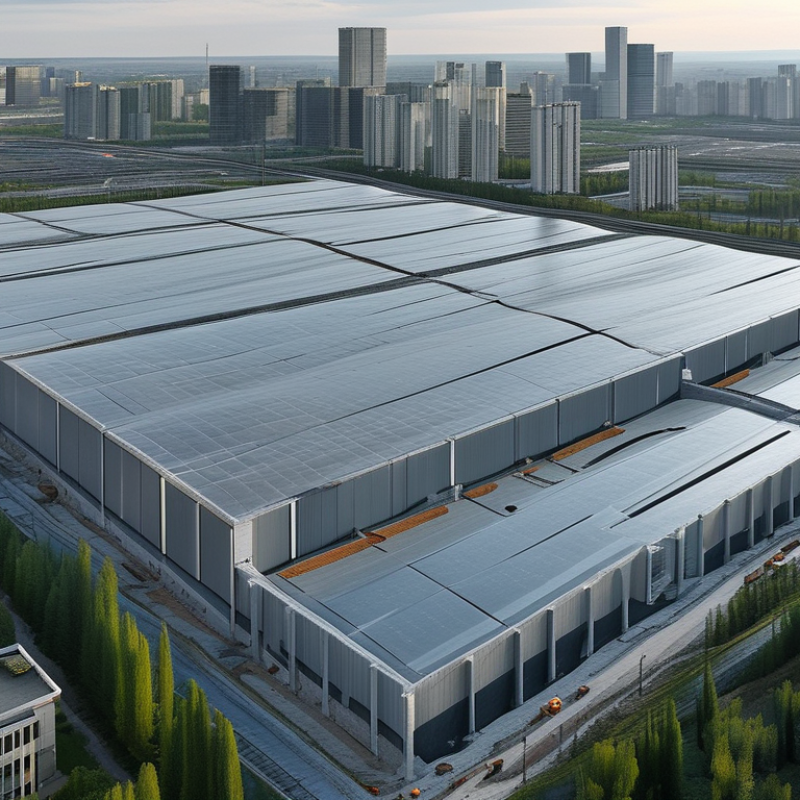
Understanding VIP Insulation Panels and Their Benefits
VIP insulation panels, or Vacuum Insulation Panels, are becoming increasingly popular due to their high thermal performance. Their unique structure consists of a core material that is encased in a vacuum-sealed envelope. This design minimizes heat transfer, making them ideal for various applications, from residential buildings to commercial projects. Many builders appreciate their energy efficiency, as they help reduce heating and cooling costs.
Choosing the right VIP insulation panel involves understanding specific needs. For example, consider the insulation thickness required for your project. Panels come in various thicknesses to fit different space constraints. Additionally, check the panel's thermal conductivity. Lower values indicate better insulation performance. Be careful, though; not all panels offer the same durability and moisture resistance.
While VIP panels promise many benefits, recognizing their limitations is essential too. Installation can be more complex than traditional insulation materials, requiring skilled labor. Moreover, they are sensitive to punctures, which can compromise performance. A balanced consideration of these aspects will ensure that VIP insulation panels enhance your project effectively.
Top Tips for Choosing VIP Insulation Panels for Your Projects
| Aspect | Details |
| Thermal Performance | VIP panels offer superior insulation value, significantly reducing heat transfer. |
| Thickness Options | Available in various thicknesses to meet specific insulation needs. |
| Durability | Designed to withstand environmental factors and have a long service life. |
| Weight | Lightweight compared to traditional insulation boards, making installation easier. |
| Applications | Suitable for residential, commercial, and industrial applications. |
| Cost-Effectiveness | Higher initial cost offset by energy savings over time. |
| Environmental Impact | Can help reduce carbon footprint by improving energy efficiency. |
| Installation Considerations | Requires careful handling and installation to maintain performance. |
Factors to Consider When Selecting VIP Insulation Panels
When selecting VIP (Vacuum Insulation Panels), several key factors should be at the forefront of your decision-making. Understanding thermal performance is crucial. VIP panels offer excellent thermal resistance. Ensure you know the R-value, as a higher value indicates better insulation. It’s essential to match the R-value with your project needs for optimal energy efficiency.
Another important aspect is the material composition of the panels. Different materials affect durability and moisture resistance. Some VIP panels can be more susceptible to damage. Therefore, conducting a thorough assessment of your project's environment is needed. Are there chances of physical impact? Consider how well the insulation can withstand such challenges.
Budget also plays a significant role. High-quality VIP panels often come with a higher price tag. Balancing cost and performance requires careful planning. You might discover that cheaper options lead to lower performance, resulting in higher long-term energy costs. Researching available options is vital. Compare products based on performance and cost-effectiveness before making a final commitment.
Evaluating the Energy Efficiency of Different VIP Panels
When evaluating the energy efficiency of various VIP insulation panels, it’s essential to look at several key factors. The thermal conductivity of these panels directly influences their performance. Lower thermal conductivity values indicate better insulation. High-quality VIP panels can significantly reduce energy loss, but not all options perform equally well.
Consider the thickness and density of the panels. Thicker panels typically provide better insulation but may require more space. The integrity of the core material is also crucial, as this affects durability and long-term performance. Pay attention to the aging effect that can reduce insulation capabilities over time.
Installation is another vital aspect. Even the best panels will underperform if not installed correctly. Gaps and poor sealing can negate the benefits. Evaluate the insulating properties in real-world conditions, not just theoretical values. Perform detailed assessments and gather feedback from users to get a clearer picture of longevity and efficiency. Choosing the right VIP panel is not just about numerous specifications; real-life performance often tells a different story.
Assessing Cost and Budget for VIP Insulation Solutions
When assessing the cost of VIP insulation panels, determine your project budget carefully. Consider the overall size of the area you aim to insulate. This factor directly affects material needs. Think about your insulation goals. Are you targeting energy efficiency or better soundproofing? Each goal may require different specifications, influencing costs.
Research materials thoroughly. VIP panels might have higher upfront costs but can save money in energy over time. Be aware of installation expenses as well. Some panels are easier to fit, while others may need skilled labor. This can make a significant difference in the final budget.
Don't overlook the importance of quality. Cheaper panels may not provide the same long-term benefits. Assess reviews and professional advice to gauge reliability. It’s not just about price; it’s about value. Balancing cost and quality will lead to the best outcomes for your project. Investing wisely now can avoid higher costs in the long run.
Installation Techniques and Maintenance of VIP Insulation Panels
When installing VIP (Vacuum Insulation Panels), attention to detail is crucial. Correct handling reduces the risk of damage. Damaged panels lose their thermal performance, leading to inefficiencies. Research indicates that improper installation can reduce insulation effectiveness by up to 30%. Buyers should ensure that panels are delivered undamaged, with moisture barriers intact, as exposure can degrade insulation properties.
The installation techniques vary based on the specific project requirements. For optimal performance, panels should be cut carefully. Use sharp tools to achieve clean edges. Gaps between panels must be minimized to maximize thermal integrity. It's essential to apply even pressure during installation to avoid any stress points. Regular maintenance checks are vital. Inspect for moisture or physical damage periodically. A study by the
International Institute of Refrigeration revealed that well-maintained VIP panels can maintain their insulation efficiency for over
25 years.
Cost is a critical factor. While initial expenditures are higher compared to traditional insulation, the long-term savings on energy bills can be significant. According to the
U.S. Department of Energy, proper insulation can reduce heating and cooling costs by
20% to 50%. Investing in quality VIP panels can yield impressive returns, but untrained installers can compromise this advantage. Thus,
skilled professionals should always conduct installation to ensure reliability and longevity.
