What is a Tool Organizer and How Can It Improve Efficiency
In today's fast-paced world, a Tool Organizer plays a crucial role in enhancing efficiency for both professionals and DIY enthusiasts. John Mitchell, a renowned expert in workspace optimization, emphasized, “An organized tool space leads to an organized mind.” This quote highlights the significant impact of proper tool organization on productivity.
When tools are easy to find, time is saved, and tasks become more manageable. Consider a cluttered garage versus a neatly arranged workshop. The latter fosters creativity and focus, essential for any project. A Tool Organizer not only eliminates frustration but also encourages a more streamlined workflow.
However, many overlook the importance of using a Tool Organizer. Common mistakes include cramming tools into drawers or leaving them scattered. These habits can lead to wasted time and increased stress. Reflecting on the effectiveness of tool storage reveals that improvements are always possible. Perhaps it’s time to reconsider outdated methods, embracing innovative solutions for better organization.
What is a Tool Organizer?
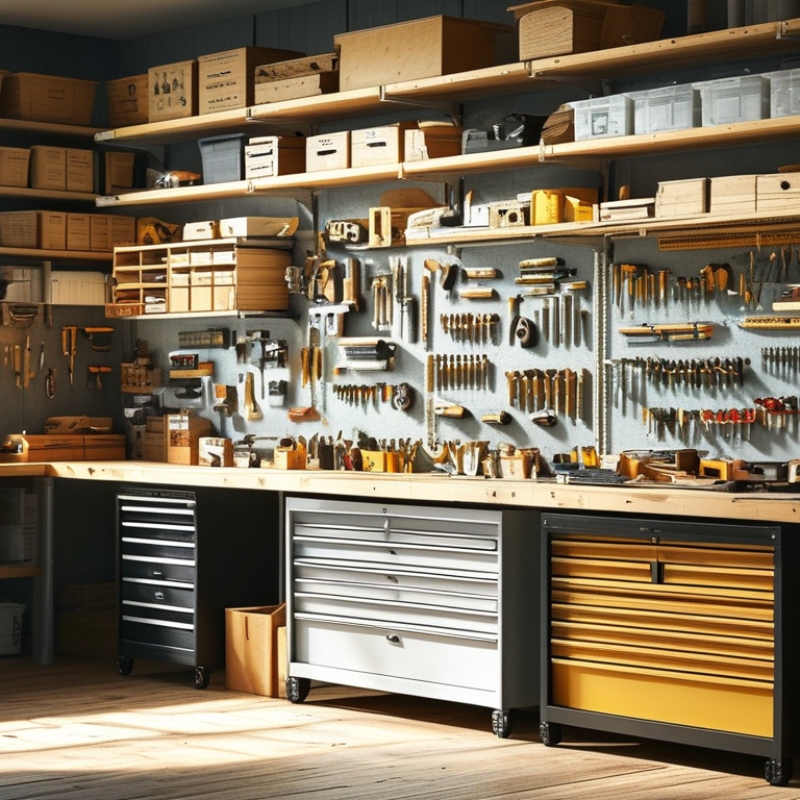
A tool organizer is a device designed to hold and arrange tools for easy access. It can be a simple toolbox, a pegboard system, or even a more complex cabinet. The primary goal of a tool organizer is to streamline your workspace. By keeping tools in designated spots, you reduce the time spent searching for items. This efficiency is key in both professional and home settings.
Using a tool organizer allows for better workflow. When everything has a designated place, you can quickly grab what you need. This minimizes distractions and helps maintain focus on the task at hand. A well-organized tool space can inspire creativity and productivity.
Tip: Regularly assess your tool organization. Sometimes, methods that worked may no longer suit your needs. As your project scope changes, so should your tool storage solutions.
Visualizing your space is important. Take a moment to picture where each tool belongs. If it’s not clear, you might have too many items or insufficient space. A clear picture in your mind can lead to improved efficiency. Don't hesitate to experiment; the goal is to create a system that works best for you.
Tool Organizer Efficiency Improvement
Types of Tool Organizers and Their Uses
Tool organizers come in various types, catering to specific needs. Toolboxes, for instance, are portable and widely used for general storage. They help reduce clutter, making it easier to find tools. Research indicates that an organized workspace can boost productivity by up to 25%. Every tool has its place, and this reduces time spent searching.
Pegboards are another popular option. They allow for visual access to tools, making it easy to grab what you need. A study found that visual organization can decrease retrieval time by 30%. Despite these benefits, many still overlook their benefits. Often, tools remain scattered or crammed into drawers.
Storage shelves also play a key role. They can hold larger equipment and supplies. Efficient shelving can enhance the overall layout of a workshop. Many professionals report that a well-organized shelf saves them at least an hour each week. However, some users struggle with optimizing their shelf space. Evaluating your storage options is crucial to improving efficiency.
Benefits of Using a Tool Organizer for Efficiency
A tool organizer is more than just a storage solution. It enhances productivity in various settings, especially in workshops and job sites. According to a report by the Home Improvement Research Institute, users of tool organizers saw a 20% increase in task completion rates. Having tools sorted and stored correctly reduces the time spent searching for items and minimizes downtime.
The benefits of using a tool organizer extend to safety as well. Disorganized workspaces can lead to accidents. Research indicates that 30% of workplace injuries are due to misplaced tools. With clear visibility and accessibility, workers are less likely to trip or injure themselves. Furthermore, a well-organized space encourages a focus on work, reducing distractions and boosting morale.
However, it's essential to consider potential challenges. Not all organizers fit every tool type, leading to mismatches that can frustrate users. Additionally, improper use can negate efficiency gains. A tool organizer requires consistent maintenance to maintain its effectiveness. Regularly reviewing and updating the organization system is vital for continued success in enhancing productivity.
Tips for Choosing the Right Tool Organizer
Choosing the right tool organizer can significantly boost your efficiency. Start by assessing your needs. Consider what types of tools you have and how often you use them. A simple toolbox might suffice for occasional tasks. For frequent use, a wall-mounted organizer could save time and space.
Look for materials that offer durability. Plastic is lightweight, but metal can withstand wear and tear. The design should allow easy access to tools. Drawers and compartments should be the right size. Too big, and tools get lost; too small, and they won’t fit. A common mistake is choosing style over functionality. A sleek design is appealing, but practicality is key.
Visibility matters greatly. Clear containers or labeled drawers help you find tools quickly. Make a habit of returning tools to their designated spots. This practice will minimize clutter over time. Reflect on your organization strategy frequently. If something isn’t working, don’t hesitate to adjust. A well-organized workspace can profoundly enhance productivity.
How to Set Up and Maintain Your Tool Organizer
Setting up your tool organizer can significantly streamline your workspace. Begin by categorizing your tools based on their use. Group similar tools together: hand tools on one shelf, power tools on another. This system saves time when searching for specific items. Visualizing the arrangement can also help you notice any missing tools. Consider labeled bins for screws and fasteners. Simple labels make it easy to put things back in their place.
Maintenance is crucial for keeping your tool organizer effective. Regularly check for clutter and remove outdated tools. Dust the organizer to prevent dirt buildup. Don't overlook small items; they can often create chaos. If you find certain tools rarely used, decide if you really need them. A clutter-free space promotes better focus. Encourage habits that keep the organizer in check, like a weekly tidy-up session. Reflect on your tool usage: this can reveal areas for improvement.
