China Top 10 Agricultural Drone Smart BMS Solutions for Buyers?
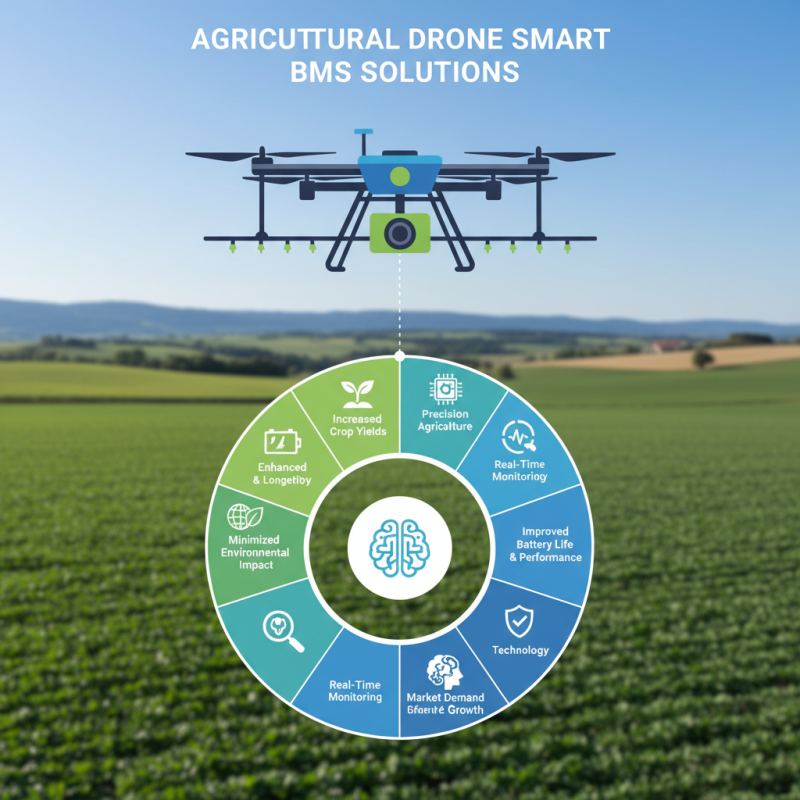
The advancement of technology has transformed the agricultural sector significantly. Agricultural Drone Smart BMS (Battery Management Systems) play a crucial role in this transformation. These systems enhance the efficiency and longevity of drone operations in farming. This is vital for maximizing productivity and minimizing environmental impact.
With the increasing demand for precision agriculture, understanding the best Agricultural Drone Smart BMS solutions is essential for buyers. The right BMS can lead to improved battery life and better performance, directly influencing crop yields. Buyers should be aware of various features, such as real-time monitoring and automated control.
However, selecting the best solution isn't straightforward. The market offers numerous options, each with unique advantages and challenges. It's important to research thoroughly and reflect on specific needs. In a rapidly evolving industry, staying well-informed is key to making a sound investment in agricultural technology.
Overview of Agricultural Drones in China
Agricultural drones are transforming farming practices across China. In 2022, the market for agricultural drones reached a value of approximately $1.3 billion, with a projected growth rate of 15% annually over the next five years. These high-tech tools help farmers monitor crop health, optimize pesticide application, and improve overall yield.
Drones equipped with advanced imaging technology create detailed maps of fields. This data helps in pinpointing areas needing attention. However, challenges remain in training farmers to utilize this technology effectively. Many still lack understanding of drone operation and data analysis.
Additionally, regulatory issues pose hurdles for widespread adoption. In some regions, stringent regulations limit where and how drones can be used. Despite these obstacles, the potential to increase productivity and reduce costs could outweigh the challenges. Drones offer a glimpse into the future of agriculture in China, yet their integration into traditional farming requires further exploration and adaptation.
China Top 10 Agricultural Drone Smart BMS Solutions for Buyers
| Solution Type | Battery Capacity (mAh) | Cycle Life (Times) | Charging Time (Hours) | Weight (kg) | Operating Temperature (°C) |
| Lithium Polymer | 22000 | 500 | 1.5 | 2.5 | -10 to 60 |
| Lithium Iron Phosphate | 20000 | 1500 | 2.0 | 3.0 | -20 to 70 |
| Smart BMS (Basic) | 18000 | 400 | 1.2 | 2.0 | 0 to 50 |
| Smart BMS (Advanced) | 24000 | 700 | 1.8 | 2.7 | -10 to 65 |
| High-Efficiency BMS | 21000 | 650 | 1.4 | 2.8 | -20 to 60 |
| Lightweight BMS | 17000 | 350 | 1.1 | 1.9 | 0 to 45 |
| Compact BMS | 16000 | 300 | 1.0 | 1.5 | -10 to 55 |
| High-Performance BMS | 23000 | 800 | 1.6 | 2.3 | -20 to 70 |
| Smart Integrated BMS | 24000 | 900 | 1.7 | 2.6 | -10 to 65 |
| Customizable BMS | 20000 | 500 | 1.3 | 2.2 | -15 to 60 |
Key Features of Smart Battery Management Systems (BMS)
Smart Battery Management Systems (BMS) are crucial for agricultural drones. They optimize energy usage, ensuring drones operate efficiently during long flights. Advanced BMS can extend battery life by monitoring charge cycles and temperature fluctuations. These systems mitigate risks, thus enhancing safety in agricultural applications.
Reports indicate that the global agricultural drone market could surpass $4 billion by 2025. This growth emphasizes the need for reliable BMS solutions. A high-quality BMS should provide real-time data analytics. This feature allows farmers to make informed decisions during operations.
[Image] Tips: Choose a BMS with integrated diagnostics. Regularly check battery health to prevent unexpected failures. Also, consider systems that support remote monitoring. This option can alert operators about battery status instantly. Engaging with evolving technologies is essential, as many BMS still lack full integration with IoT platforms.
Exploring improvements in communication protocols can lead to smarter operations, but some aspects may still need re-evaluation for better efficiency.
Top 10 Agricultural Drone BMS Solutions in China
Agricultural drones have become vital tools in modern farming. They can enhance productivity and streamline operations. In China, numerous Battery Management System (BMS) solutions cater specifically to agricultural drones. These systems help manage battery life, ensuring optimal performance.
Choosing the right BMS is crucial. Buyers should consider efficiency, compatibility, and support services. Some systems offer advanced features like real-time monitoring and improved safety protocols. However, quality can vary significantly among different providers. Researching user feedback is essential. It helps identify which systems truly deliver on their promises.
Tips: Always prioritize user reviews and case studies. They provide insights into real-world performance. Additionally, explore options for customer support. Quick assistance can save time and reduce operational headaches. Engaging with communities, like farming forums, can help you learn about the latest advancements in drone technology.
Factors to Consider When Choosing a BMS Solution
When choosing a smart Battery Management System (BMS) for agricultural drones, consider several key factors. The complexity of drone farming requires efficient energy solutions. A robust BMS should ensure optimal battery performance. It should monitor voltage, current, and temperature in real-time. This monitoring helps avoid battery failures during critical flight operations.
Compatibility with different battery types is another essential aspect. Many drones use lithium polymer (LiPo) or lithium-ion batteries. The BMS must support various configurations for maximum flexibility. Additionally, user-friendly interfaces are vital. Operators need to access data easily and understand battery health at a glance.
Security features also play a crucial role. Protecting battery data from tampering or unauthorized access is essential. Moreover, consider the cost-effectiveness of the solution. Not all high-priced options deliver the promised results. Weighing performance against cost can reveal less obvious, value-driven choices. Focusing on these elements helps buyers make informed decisions and optimize drone operations.
Future Trends in Agricultural Drones and BMS Technology
The future of agricultural drones and Battery Management System (BMS) technology is poised for significant transformation. The global agricultural drone market is projected to reach $6.5 billion by 2026, according to a report by Markets and Markets. As technology evolves, the integration of intelligent BMS solutions becomes essential in managing energy more efficiently. These systems optimize battery life, allowing drones to operate for longer periods.
Advancements in BMS technology will empower farmers to utilize drones for precision agriculture. Enhanced monitoring capabilities will provide real-time data, improving crop management. However, there remain challenges in ensuring seamless communication between drone systems and BMS. Non-optimal energy consumption can lead to operational inefficiencies. This highlights the need for ongoing research to address these issues and develop more refined solutions.
With the demand for sustainable farming practices on the rise, agricultural drones are increasingly seen as vital tools. Industry experts emphasize that integrating AI with BMS functions can enhance operational reliability. This integration allows for better scheduling of drone missions based on battery status. Despite the promising outlook, it’s crucial to remain aware of potential technological limitations and ethical considerations within this rapidly evolving sector.
